
Planning a destination wedding is exciting, but celebrating away from home takes more preparation than a traditional local wedding. A detailed destination wedding checklist can help you keep track of your budget, travel arrangements, legal documents, vendors, packing, guest needs, and wedding-day details without feeling overwhelmed.
Recent destination-wedding planning guides continue to emphasize starting early because couples have to coordinate not only the ceremony and reception but also travel, accommodation, paperwork, and guest logistics. Current 2026 guidance commonly recommends making major destination and venue decisions 12 months or more before the wedding, while final travel, packing, and document checks become increasingly important as the date approaches.
The key is to organize everything in the right order. Start with the big financial and location decisions, move into vendors and legal requirements, and then work toward travel, packing, and wedding-day details.
What Should Be on a Destination Wedding Checklist?
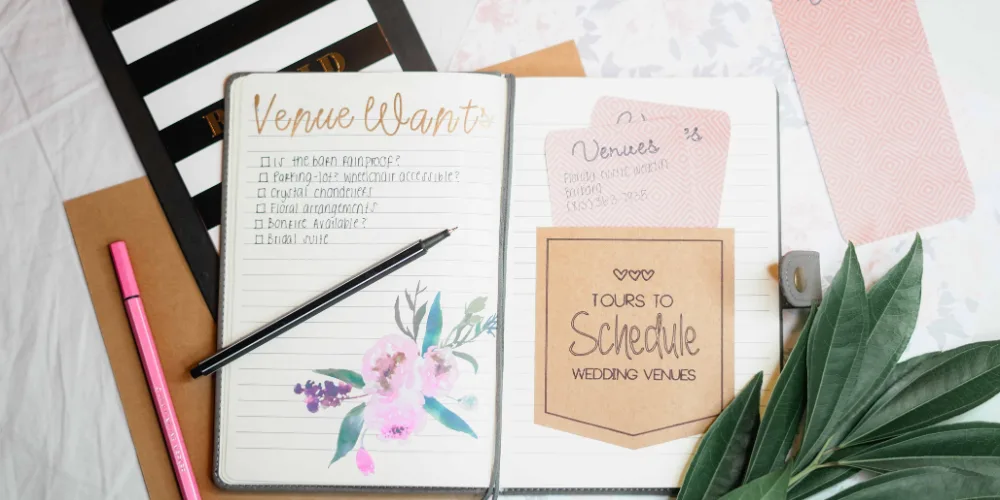
A destination wedding checklist should cover more than flowers, dresses, and decorations. Because you and your guests are traveling, you also need to account for passports, flights, accommodation, transportation, insurance, local requirements, and items that may be difficult to replace at the destination.
Your master checklist should include:
Wedding budget
Guest list
Destination and venue
Wedding date
Accommodation
Wedding planner or coordinator
Vendors
Marriage and legal documents
Flights and airport transfers
Wedding attire
Wedding accessories
Beauty and personal-care items
Ceremony and reception details
Guest communication
Emergency supplies
Final payments and confirmations
A good approach is to divide the checklist into planning, paperwork, travel, packing, wedding weekend, and wedding-day tasks.
1. Set Your Destination Wedding Budget

Before booking anything, establish how much you can comfortably spend. A destination wedding budget can include expenses that you would not normally have with a local celebration, such as flights, accommodation, airport transfers, shipping, currency exchange, and additional events.
Create separate categories for:
Venue and ceremony
Food and drinks
Wedding attire
Photography and videography
Flowers and decorations
Entertainment
Wedding planner
Flights
Accommodation
Transportation
Legal documentation
Welcome events
Guest activities
Wedding favors
Emergency expenses
Build a Destination Wedding Budget Checklist
When comparing prices, look at the total cost, not simply the advertised venue or wedding-package price.
For example, a venue might appear inexpensive until you add:
Catering
Service fees
Taxes
Rentals
Décor
Transportation
Accommodation
Outside-vendor fees
A written budget makes these additional costs easier to identify.
“A budget is telling your money where to go, instead of wondering where it went.” — John Maxwell, as quoted by Ramsey Solutions.
The same principle applies to wedding planning: assigning money to each category before spending can help you identify priorities and avoid unnecessary last-minute purchases.
Ways to Save on Your Wedding Budget
You can potentially reduce costs by:
Comparing several venues
Considering weekday dates
Looking at shoulder-season dates
Limiting unnecessary décor
Using local flowers and food
Combining ceremony and reception locations
Comparing wedding packages carefully
Booking accommodation through negotiated room blocks
Reducing the number of optional events
Avoiding items that are cheaper to source locally
A current destination-wedding planning guide also recommends comparing what is included in venue packages and considering room blocks as part of the overall cost calculation.
2. Choose the Destination and Wedding Venue

Once your budget is clear, decide where you want to get married. Consider the destination's weather, accessibility, accommodation options, local marriage requirements, and overall cost. Couples considering different locations can also explore wedding places in Colorado or compare European weddings when narrowing down their destination options.
Ask yourself:
Can most guests reach the destination easily?
Are there direct or convenient flights?
Is accommodation available near the venue?
What is the weather like during the wedding month?
Are there local legal requirements?
Does the venue have indoor and outdoor options?
What services are included?
After choosing the destination, compare several venues before making a booking.
Questions to Ask the Wedding Venue
Before signing a contract, ask:
What is included in the venue fee?
Is catering included?
Are tables, chairs, linens, and basic décor included?
Can outside vendors be used?
Is accommodation available?
Is there a minimum guest requirement?
What happens if it rains?
Are there noise or music restrictions?
What are the payment deadlines?
What are the cancellation terms?
Getting these answers in writing can make it easier to compare venues accurately.
3. Create Your Guest List and Send Early Information

Your guest list affects almost every other part of the wedding, including venue size, accommodation, food, transportation, and your overall budget.
Once you have an approximate guest count, create a wedding website or information page with practical travel details. If your celebration includes cultural ceremonies, you can also share information about Sikh wedding traditions so guests know what to expect. Couples considering an Italian celebration can also review Italy wedding planning when preparing destination-specific information.
Include:
Wedding destination
Venue location
Nearest airport
Hotel options
Room-block information
Transportation details
Expected weather
Dress codes
Wedding-weekend schedule
Passport and visa reminders
RSVP deadline
Destination Weddings recommends providing guests with practical information such as airport routes, accommodation costs, transfers, dress codes, and required travel documents.
This can also help guests understand their own costs before confirming attendance.
4. Book Vendors and Wedding Services
After securing the destination and venue, start arranging the professionals who will make the celebration happen.
Your vendor checklist may include:
Wedding planner
Photographer
Videographer
Florist
Caterer
Cake designer
DJ or musicians
Hair and makeup artist
Officiant
Transportation provider
Lighting and décor company
If possible, choose vendors who have experience working at your destination. A local planner or coordinator can also help manage vendors, timelines, language differences, and on-site problems.
For every vendor, save:
Contract
Contact information
Payment schedule
Deposit receipt
Final balance
Cancellation policy
Arrival time
Services included
Keep these documents together digitally and offline.
5. Organize Your Marriage and Legal Documents

Legal requirements vary by destination and nationality, so this part of your planning should be handled well in advance.
Depending on where you marry, you may need documents such as:
Passport
Birth certificate
Marriage application
Certificate of no impediment
Divorce decree, if applicable
Death certificate of a former spouse, where applicable
Visa or entry documents
Certified translations
Apostilles or legalization
Witness information
Do not assume that another couple's checklist will apply to you. Marriage requirements can differ by country, municipality, and nationality.
If completing the legal marriage abroad becomes complicated, some couples choose to complete the legal paperwork at home and hold a symbolic ceremony at their destination. Discuss the available options with the relevant authorities before making a decision.
6. Plan the Wedding Weekend
A destination celebration often lasts longer than one day. Instead of thinking only about the ceremony, create a wedding weekend checklist.
A typical schedule could include:
Welcome Event
Welcome dinner
Drinks or cocktail gathering
Guest introductions
Welcome bags
Wedding Day
Getting ready
Ceremony
Cocktail hour
Reception
Dinner
Speeches
Entertainment
First dance
Cake cutting
Farewell Event
Brunch
Casual lunch
Pool gathering
Beach outing
Group activity
You don't have to host every activity. Mark optional events clearly so guests understand which activities they need to budget for themselves.
Destination Wedding Packing List
Once the major planning is complete, start creating your destination wedding packing list. Packing for a destination wedding is different from packing for an ordinary holiday because some items are irreplaceable.
A useful strategy is to divide your belongings into:
Carry-on essentials
Checked luggage
Items shipped ahead
Items purchased locally
Keep the things you absolutely cannot replace close to you.
7. Pack Your Important Travel Documents
Documents should be among the first items on your packing list.
Destination Wedding Travel Checklist
Pack or securely store:
Passport
Visa, if required
Flight confirmation
Hotel confirmation
Travel insurance information
Marriage documents
Vendor contracts
Venue confirmation
Transportation details
Emergency contact numbers
Copies of important documents
Payment cards
Some local currency
Keep digital copies in secure cloud storage as an additional backup.
Current destination-wedding guidance recommends keeping essential documents, rings, vows, and important wedding attire under your direct control rather than relying on checked luggage.
8. Pack Your Wedding Attire and Accessories

Your wedding clothes are among the most important wedding must-haves.
Bride's Essentials
Wedding dress
Veil
Wedding shoes
Jewelry
Hair accessories
Undergarments
Getting-ready outfit
Reception outfit, if applicable
Garment bag
Steamer
Fashion tape
Safety pins
Groom's Essentials
Suit or tuxedo
Dress shirt
Tie or bow tie
Dress shoes
Belt
Cufflinks
Socks
Watch
Undershirt
Backup shirt
The Transportation Security Administration says wedding dresses can be taken through airport security, but recommends protecting them in a garment-style bag and checking the airline's rules for bringing and storing the dress onboard.
9. Don't Forget the Wedding Essentials
The small details can be easy to overlook, particularly when you're traveling internationally.
Your wedding essentials may include:
Wedding rings
Vows
Ceremony programs
Guest book
Ring box
Cake topper
Special jewelry
Family heirlooms
Sentimental items
Wedding favors
Place cards
Table numbers
Signage
Important décor pieces
Before packing decorative items, ask whether they can be sourced locally. Transporting bulky décor across borders can add unnecessary luggage, shipping, and customs complications.
10. Build an Emergency Kit
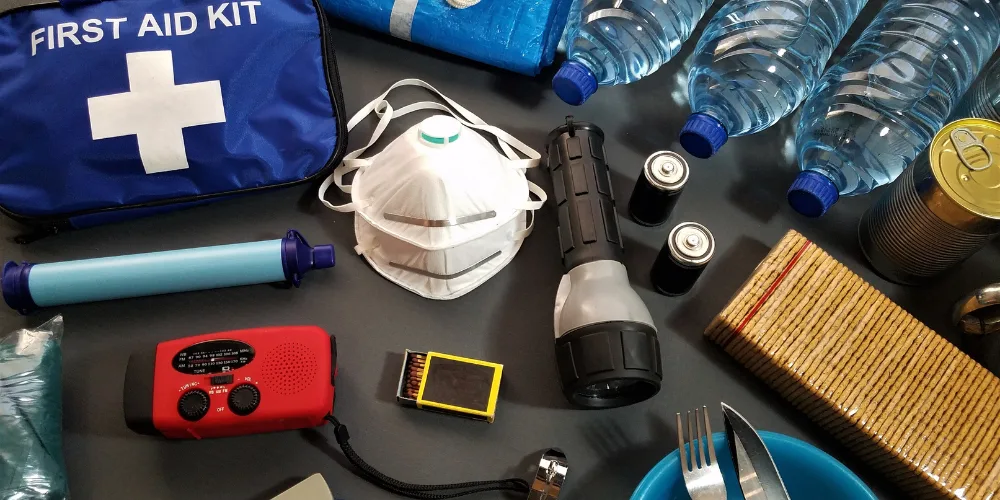
An emergency kit is one of the most useful things to include in your stuff you need for a wedding.
Pack a small, easily accessible bag with:
Safety pins
Small sewing kit
Fashion tape
Stain remover
Plasters
Pain reliever
Blister protection
Tissues
Hair pins
Hair ties
Small scissors, where permitted
Deodorant
Sunscreen
Insect repellent
Phone charger
Portable power bank
Basic personal medication
The exact contents should reflect your destination, weather, and personal needs.
Final Week Destination Wedding Checklist
The final week should be about confirming—not creating—major plans.
One Week Before
Confirm flights
Confirm airport transfers
Confirm accommodation
Reconfirm venue
Reconfirm vendors
Check final payments
Confirm guest arrivals
Review weather
Prepare emergency kit
Finish packing
Organize wedding documents
Share the final timeline
Before Leaving Home
Check that you have:
Passports
Travel documents
Wedding rings
Wedding attire
Legal paperwork
Vendor contacts
Payment cards
Medication
Phone and chargers
Travel adapters
A current 2026 planning guide recommends confirming vendor details and payments, organizing paperwork, and checking flights, transfers, and lodging before traveling.
Wedding Day Checklist
On the actual wedding day, you don't want to spend time searching through suitcases. Keep the items you need that day in one clearly marked bag.
Morning
Wedding attire ready
Rings secured
Vows available
Hair and makeup schedule confirmed
Photographer arrival confirmed
Wedding party ready
Emergency kit nearby
Water and light snacks available
Before the Ceremony
Marriage documents ready, if required
Officiant confirmed
Ceremony setup complete
Music checked
Bouquets delivered
Rings with designated person
Guests directed to ceremony area
Reception
Seating arranged
Place cards set
Menus placed
Cake delivered
Music and sound checked
Speeches confirmed
Photography schedule reviewed
Dinner service confirmed
End of the Night
Personal belongings collected
Wedding gifts secured
Important documents collected
Vendor payments handled
Transportation confirmed
Wedding attire safely stored
Money-Saving Tips for Your Destination Wedding
A checklist can also help you save money because it reduces duplicate purchases and last-minute decisions.
Instead of buying something at the destination because you forgot it at home, review your list several times before departure.
You can also save by:
Packing reusable accessories
Buying travel-size toiletries in advance
Comparing baggage fees
Avoiding unnecessary shipping
Using local vendors
Choosing multipurpose décor
Negotiating vendor packages
Comparing accommodation options
Booking flights and rooms early when appropriate
Keeping a record of every wedding expense
The goal isn't simply to spend less on everything. It's to spend intentionally on the things that matter most to you.
Final Thoughts
Planning a destination wedding may seem overwhelming at first, but breaking everything into manageable steps can make the process much easier. From setting your budget and choosing the destination to organizing vendors, travel documents, packing, and the wedding day, having everything planned helps you stay prepared and enjoy the journey.
Use this destination wedding checklist as your final reference while planning and preparing for your celebration. Once the important details are checked off and everything is ready to go, you can focus less on the planning and more on celebrating your special day with the people you love.