Seoul
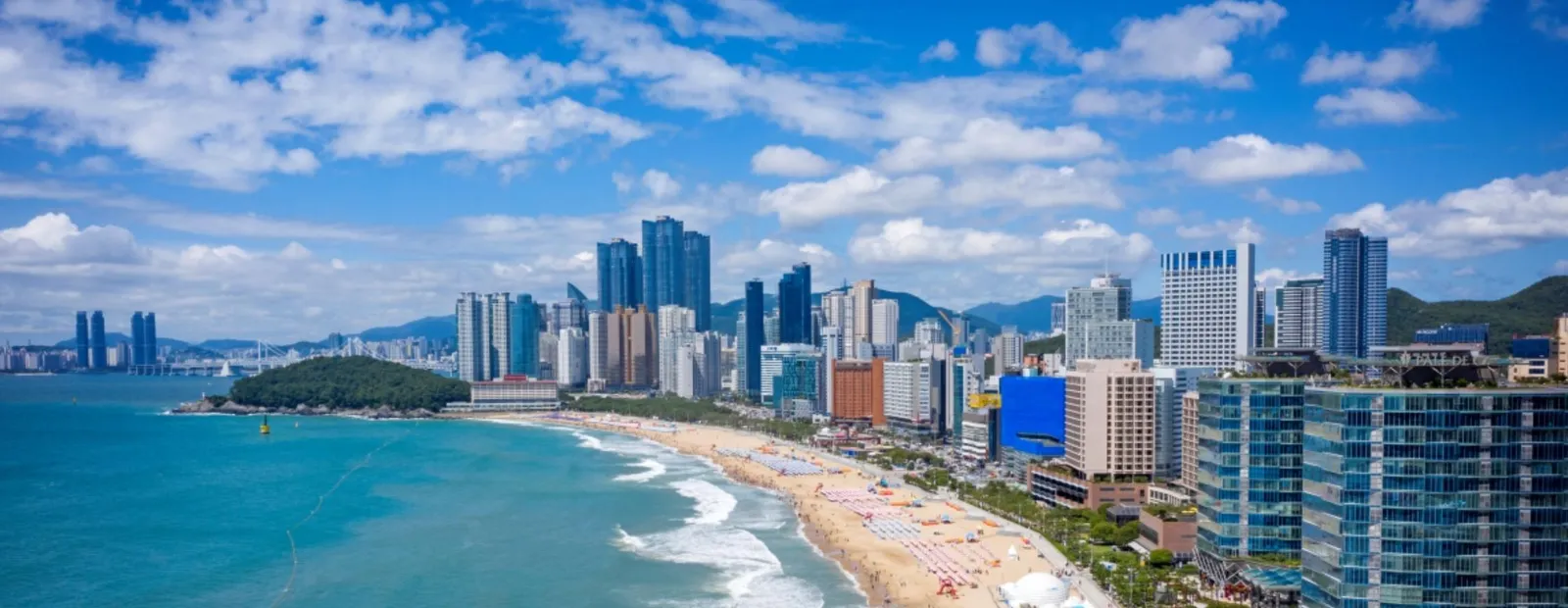
Seoul effortlessly bridges ancient traditions and futuristic innovation, mesmerising travelers with its majestic Gyeongbokgung Palace, bustling night markets, and cutting-edge design districts. With its unique blend of historical charm, world-famous K-culture, and scenic riverwalks, South Korea's vibrant capital is continuously celebrated among the world's most exciting travel destinations.
Weather Forecast
Mar to May and bring pleasant temperatures, clear skies, and beautiful seasonal scenery, making Seoul ideal for exploring its palaces, neighborhoods, and outdoor attractions
Mar–MayJuly and August can bring intense heat, high humidity, and typhoon-related disruptions. Carry water, use sun protection, and check local weather alerts before traveling
Updated by TripconomyQuick Facts






Seoul Through Eyes
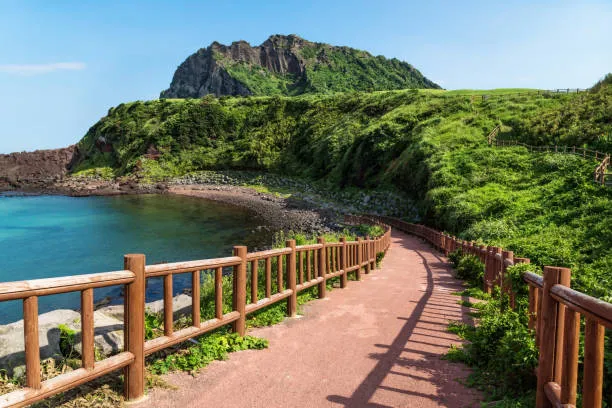
See Seoul through quick reels from local experts, creators, and travelers. Slide through temples, islands, food streets, skylines, mountains, and hidden corners.
Other Cities Near Seoul
Emergency help in Seoul
Emergency numbers, hospitals, phrases and safety guidance for Seoul.
- Emergency Help: 112 — Single number for any emergency
- Ambulance: 119 — Medical emergency or urgent injury
- Travel Hotline: 1330 — Korea Tourism Organization — 24/7, multilingual
- Lost and Found: 182 — National lost property centre
- Hello — 안녕 (annyeong)
- Thank You — 감사합니다 (gamsahabnida)
- Good Bye — 잘가 (jalga)
- Help — 도움말 (doummal)
- I am lost — 길을 잃었어요. (gil-eul ilh-eoss-eoyo.)
- Call the police — 경찰을 부르세요. (gyeongchal-eul buleuseyo.)
- What should I do first if I’m in an emergency while traveling?
- Stay calm, move to safety, and contact local emergency services.
- What if I’m stranded without transportation?
- Stay somewhere secure and contact your accommodation, transport provider, or local authorities.
- How can I get medical help if I’m in a remote area?
- Contact local emergency services and provide your exact location if possible.
- What if my wallet and cards are stolen?
- Freeze your cards, contact your bank, and report the theft to local authorities.
- What should I do during a major storm or severe weather event?
- Stay indoors in a secure location and follow official local alerts.
Suggest edits to improve what we show.