Jeju Island
Jeju Island shines as South Korea's premier volcanic paradise, celebrated for its striking natural landscapes, emerald ocean views, and unique coastal traditions. Featuring iconic natural wonders like the Seongsan Ilchulbong tuff cone, Hallasan National Park, and pristine waterfalls, this picturesque haven merges rich island heritage with serene hiking trails, securing its spot among the region's top travel destinations.
Weather Forecast
March to May are great months to explore Jeju Island, offering pleasant weather, scenic landscapes, and comfortable conditions for outdoor adventures
Mar-MayMountain roads near Hallasan have sharp curves, while coastal roads can become slippery after rain. Drive carefully and check road conditions before traveling
Updated by TripconomyQuick Facts








Jeju Island Through Eyes
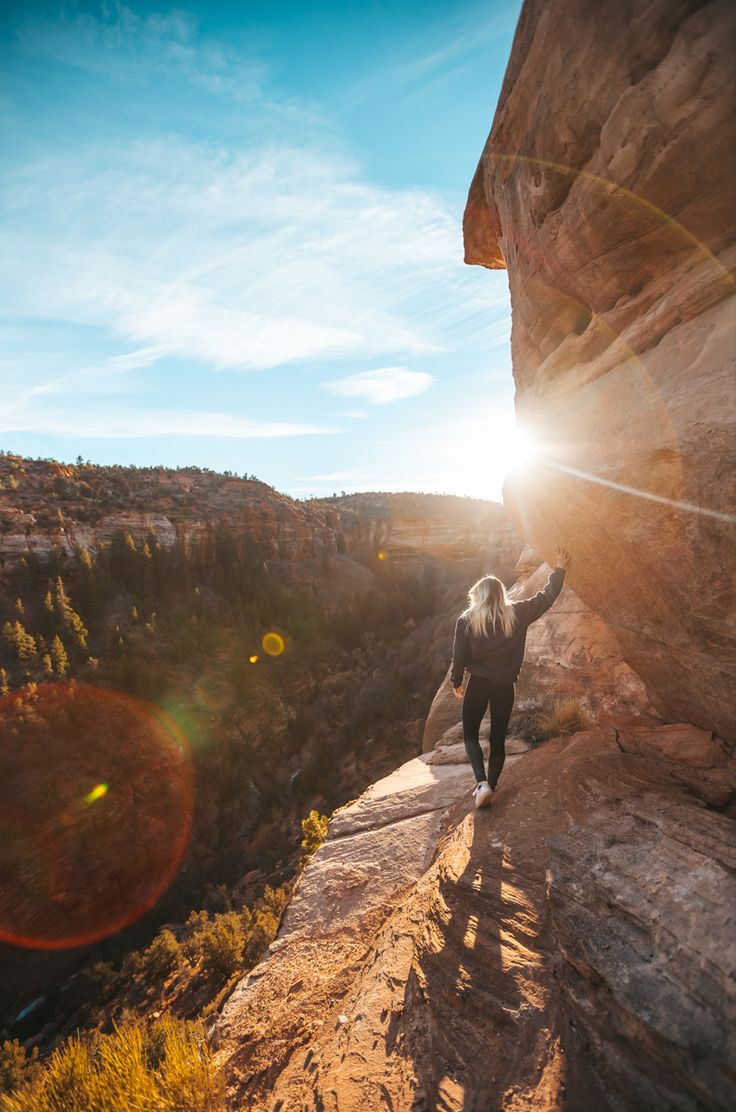
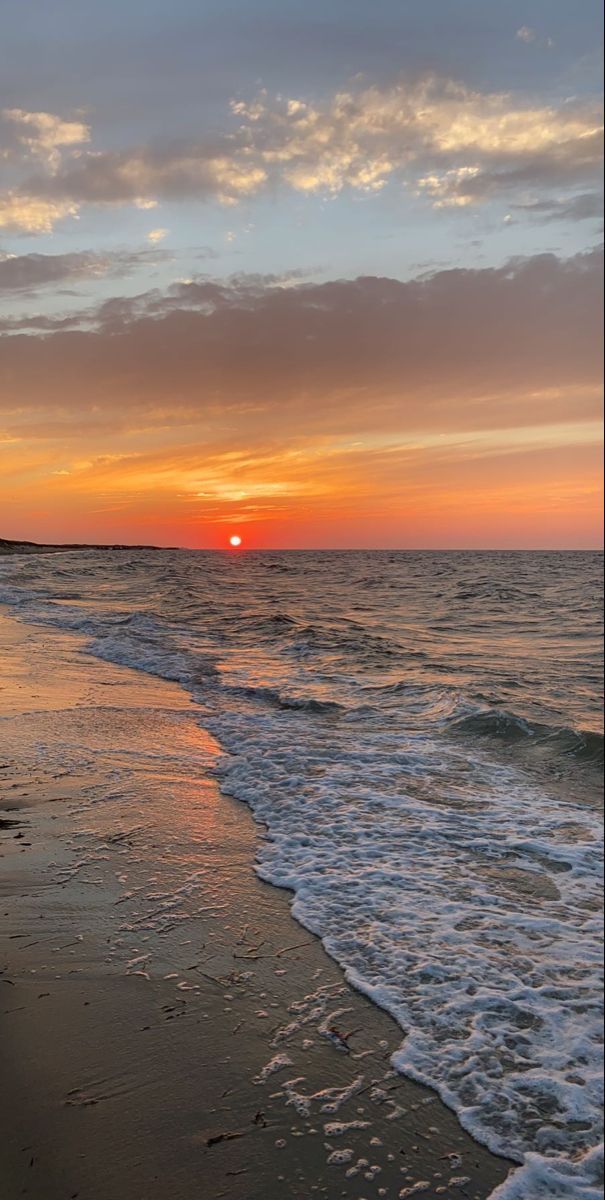
See Jeju Island through quick reels from local experts, creators, and travelers. Slide through temples, islands, food streets, skylines, mountains, and hidden corners.
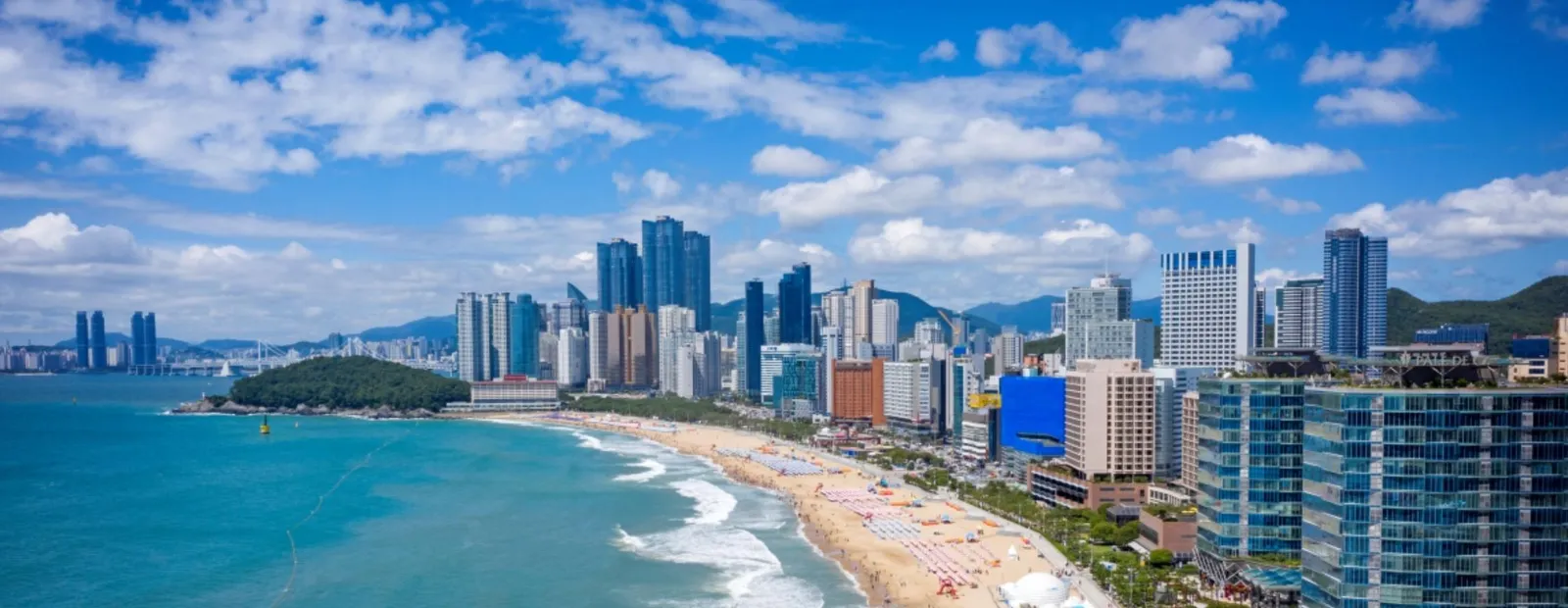
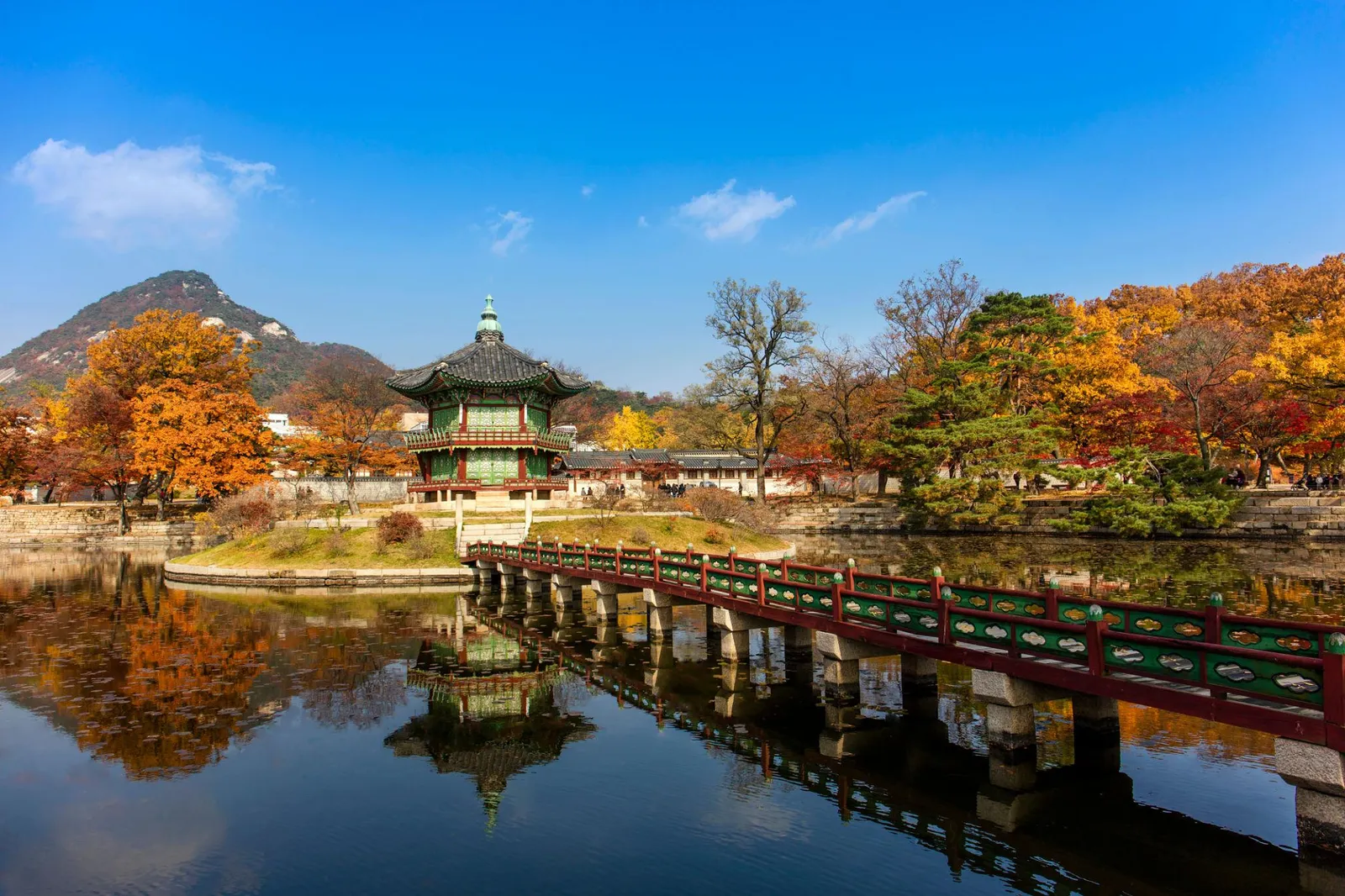
Other Cities Near Jeju Island
Emergency help in Jeju Island
Emergency numbers, hospitals, phrases and safety guidance for Jeju Island.
- Emergency Help: 112 — Single number for any emergency
- Ambulance: 119 — Medical emergency or urgent injury
- Travel Hotline: 1330 — Korea Tourism Organization — 24/7, multilingual
- Lost and Found: 182 — National lost property centre
- Hello — 안녕 (annyeong)
- Thank You — 감사합니다 (gamsahabnida)
- Good Bye — 잘가 (jalga)
- Help — 도움말 (doummal)
- I am lost — 길을 잃었어요. (gil-eul ilh-eoss-eoyo.)
- Call the police — 경찰을 부르세요. (gyeongchal-eul buleuseyo.)
- What should I do first if I’m in an emergency while traveling?
- Stay calm, move to safety, and contact local emergency services.
- What if I’m stranded without transportation?
- Stay somewhere secure and contact your accommodation, transport provider, or local authorities.
- How can I get medical help if I’m in a remote area?
- Contact local emergency services and provide your exact location if possible.
- What if my wallet and cards are stolen?
- Freeze your cards, contact your bank, and report the theft to local authorities.
- What should I do during a major storm or severe weather event?
- Stay indoors in a secure location and follow official local alerts.
Suggest edits to improve what we show.