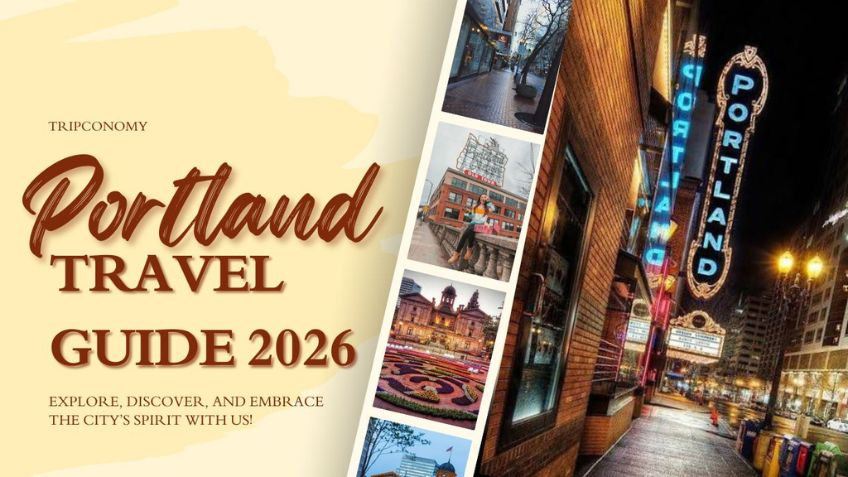
Welcome to Portland, a city that grows its own volcano inside city limits, keeps the world's smallest park stocked with flowers, and built its identity on a coin flip. This Portland travel guide is the one-stop version of everything scattered across a dozen other sites: when to go, where to stay, what's actually worth your time, which viewpoints deserve the drive, whether it's safe, and how to do all of it without blowing your budget. Whether you've got a full week in Oregon or a single weekend in Portland, this guide is built to answer the questions people actually type into Google before they book.
Welcome to Portland: What Is Portland Known For?
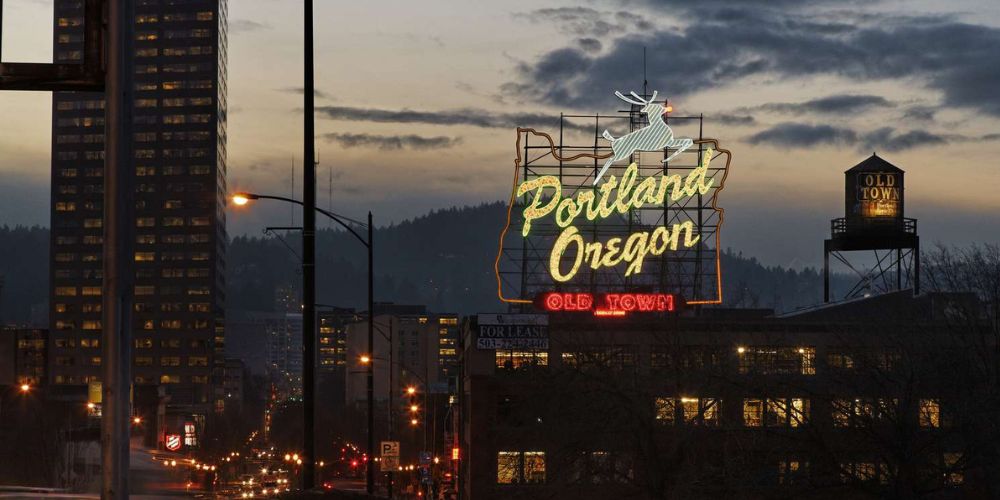
So, what is Portland known for? Ask five people, and you'll get five different answers, and all five are correct. Portland is known for:
Coffee and craft beer culture, more than 100 breweries in the metro area, and a coffee scene serious enough to have its own "crawl."
Powell's City of Books, the largest independent bookstore on the planet, occupying an entire city block.
"Keep Portland Weird," an unofficial motto (borrowed from Austin, Texas) celebrating individuality, oddball art, and a genuine live-and-let-live attitude.
No sales tax: Oregon is one of the few states with zero sales tax, which matters if you're shopping.
Food carts: 500+ food carts and pods serve some of the most diverse, affordable street food in the country.
Urban wilderness: Forest Park alone covers 5,200 acres and 80 miles of trails within the city limits.
Bridges and rivers: The Willamette River splits the city, connected by more than a dozen distinctive bridges.
If you only remember one thing about famous Portland culture, remember this: it's a city that takes its outdoors, its coffee, and its weirdness equally seriously.
Portland Fun Facts
Before you go, a few Portland fun facts worth knowing they make great trivia on the plane and even better conversation starters at a food cart pod:
Portland was almost named Boston. Founders Asa Lovejoy and Francis Pettygrove couldn't agree on a name, so they flipped a coin. Pettygrove won, and named the city after his hometown of Portland, Maine. The coin, the "Portland Penny," is on display at the Oregon Historical Society.
Mill Ends Park is the world's smallest park, according to Guinness World Records, a 2-foot-diameter circle in a street median, originally meant for a light pole.
Mount Tabor is an extinct volcano sitting inside city limits, now a beloved public park with sweeping views.
"Keep Portland Weird" was borrowed from Austin's "Keep Austin Weird" campaign but has become its own thing entirely here, from the World Naked Bike Ride to the annual Adult Soapbox Derby.
No sales tax, anywhere in Oregon a rare perk for shoppers.
Forest Park is one of the largest urban forests in the U.S., bigger than many small towns.
The Unipiper, a local legend who rides a unicycle while playing bagpipes, often shooting fire, is basically Portland's unofficial mascot.
Beautiful Portland, Oregon: What to Expect
Beautiful Portland, Oregon earns the description honestly; this is a city framed by mountains, rivers, and gardens rather than concrete alone. Downtown sits on the Willamette River with Mount Hood visible on clear days, the West Hills roll up into Washington Park's gardens and forest, and neighborhoods like the Pearl District and Alberta Arts District blend historic brick with murals and green space. Bring a rain jacket regardless of season; Portland's beauty comes with genuine rainfall most months of the year, and locals simply layer up rather than let it stop them.
Best Time to Visit Portland, Oregon
The best time to visit Portland, Oregon is June through August, when the city's roses are in full bloom, daytime temperatures sit comfortably in the 70s and 80s, and rainfall drops to its lowest point of the year. This is also, unsurprisingly, peak season; book hotels at least two to three months ahead if your trip falls in summer.
Season | Months | Weather | Best For |
Summer | June – August | Warm, dry, 65–85°F | Festivals, gardens in bloom, outdoor everything |
Fall | September – October | Mild, fewer crowds | Sightseeing, lower prices, wine country trips |
Winter | November – February | Cold, rainy, occasional snow at elevation | Budget travel, Mount Hood ski season |
Spring | March – May | Mild, rainy, blooming gardens | Cherry blossoms, moderate crowds |
If you're weighing the best time of year to travel to Portland, Oregon purely around events, plan around these summer festivals:
Portland Rose Festival (June)
Festival of Balloons (June)
Portland Craft Beer Festival (July)
Waterfront Blues Festival (July)
Portland Pride (July)
Pickathon Music Festival (August)
Dahlia Festival (August)
Traveling on a tighter budget? Winter delivers the lowest hotel rates of the year, and Mount Hood's ski season (roughly late November through March) turns the off-season into its own kind of draw.
Best Place to Stay in Portland, Oregon
The best place to stay in Portland, Oregon depends on what you want out of the trip, but for first-timers, downtown and the Pearl District consistently rank as the top picks; both put you within walking distance of Powell's Books, the Portland Art Museum, and a MAX Light Rail connection straight to the airport.
Neighborhood | Vibe | Best For |
Downtown | Central, walkable, hotel-dense | First-time visitors, business travelers |
Pearl District | Upscale, galleries, boutique dining | Couples, foodies |
Northwest / Nob Hill | Historic, tree-lined, close to Forest Park | Walkers, quieter stays |
Alberta Arts District | Colorful, artsy, mural-covered | Culture seekers, longer stays |
Hawthorne | Indie shops, laid-back cafes | Repeat visitors wanting local flavor |
Book three to four months ahead for a summer trip; Portland draws nearly 12 million visitors a year, and downtown hotel rates climb fast as the Rose Festival approaches.
Is It Safe to Travel to Portland, Oregon?
This is one of the most searched questions about the city, so here's a straightforward answer: yes, Portland is generally safe to visit, especially in the areas tourists actually spend time in downtown, the Pearl District, Alberta, Hawthorne, and Washington Park. Violent crime rates are comparable to or lower than many similarly sized U.S. cities. That said, a few honest notes:
Property crime, particularly car break-ins, is the most common issue; don't leave valuables visible in a parked car.
Some downtown corridors, especially Old Town/Chinatown, feel quieter and less polished after dark due to visible homelessness; it's more uncomfortable than dangerous, but stick to well-lit, populated streets at night.
Walkability is excellent; most attractions cluster close together, and the city's transit system (TriMet buses, MAX Light Rail, and the Portland Streetcar) is considered one of the more tourist-friendly systems in the country.
Solo travelers, including women, generally report feeling safe in the main tourist neighborhoods, with the usual big-city precautions applying after dark.
Bottom line: exercise normal urban awareness, stay in or near the neighborhoods above, and Portland is a comfortable, walkable city for nearly every type of traveler.
Must Visit in Portland, Oregon: Top Attractions
If you're planning a must-visit places in Portland, Oregon list, start here; these are the attractions that show up across nearly every credible Portland guide, from Travel Portland's own site to national outlets.
Powell's City of Books
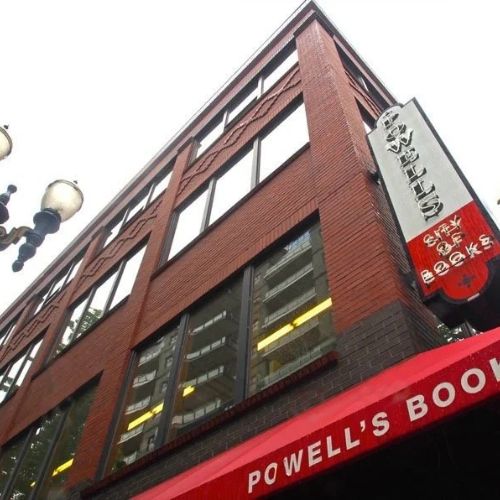
The world's largest independent bookstore occupies an entire city block in the Pearl District, with more than a million books across color-coded rooms. Budget at least an hour; book lovers regularly lose an afternoon here.
Washington Park's Gardens
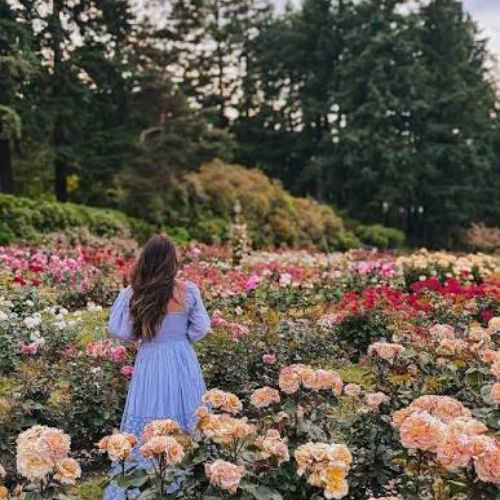
Home to three attractions in one park: the International Rose Test Garden (10,000 roses across 4.5 acres), the Portland Japanese Garden (widely considered one of the most authentic Japanese gardens outside Japan), and the Hoyt Arboretum (189 acres, 60+ tree species). This single park could fill a half-day on its own.
Pittock Mansion
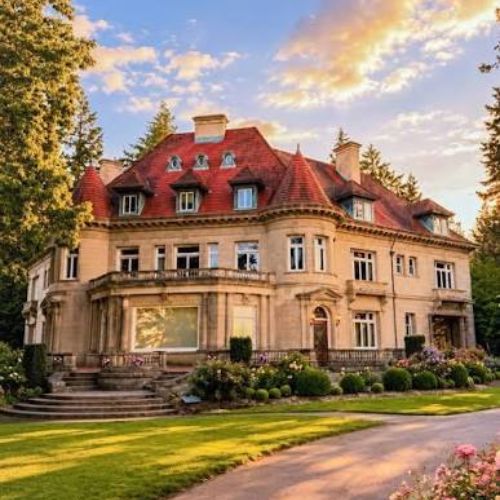
A 1914 historic estate perched in the West Hills, offering one of the best panoramic views in the city, downtown, the Willamette, and Mount Hood in a single frame on a clear day.
Voodoo Doughnut
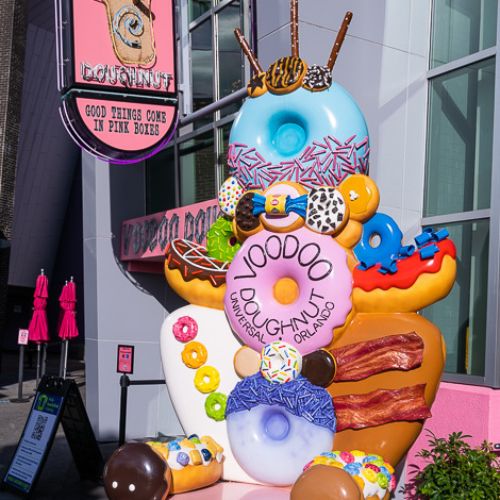
The city's most photographed doughnut shop, known for its pink boxes and inventive (occasionally bizarre) flavor combinations.
Oregon Museum of Science and Industry (OMSI)
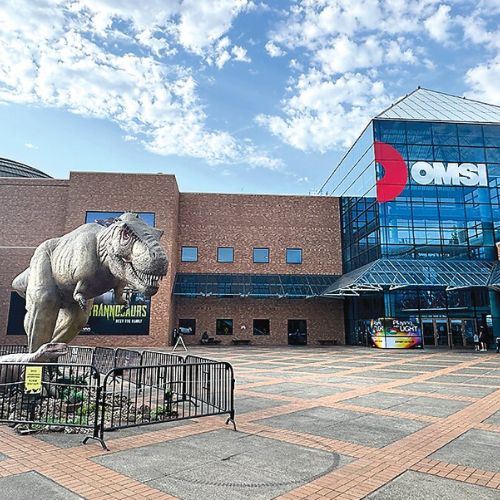
A hands-on science museum with a planetarium, a strong pick for a rainy day or a family itinerary.
Forest Park
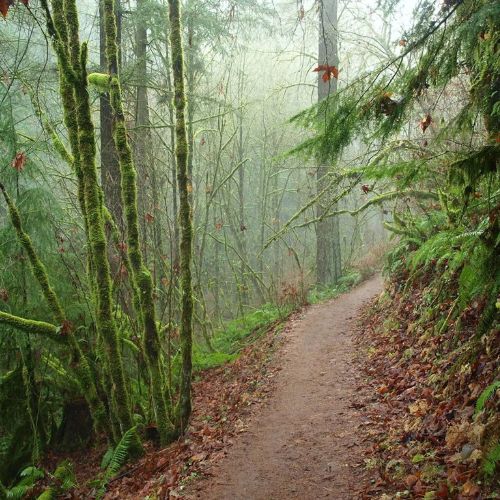
One of the largest urban forests in the U.S., with 80 miles of trails accessible right from the city.
Best Views in Portland, Oregon
Portland's hills and volcanic cinder cones make it one of the better U.S. cities for skyline and mountain views without leaving city limits. For the best views in Portland, Oregon, these viewpoints consistently top local and visitor lists:
Pittock Mansion:
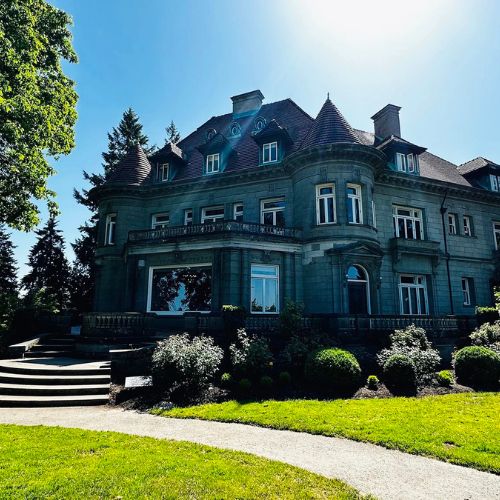
Pittock Mansion is the single best combined view of downtown, the Willamette River, and Mount Hood.
Council Crest Park
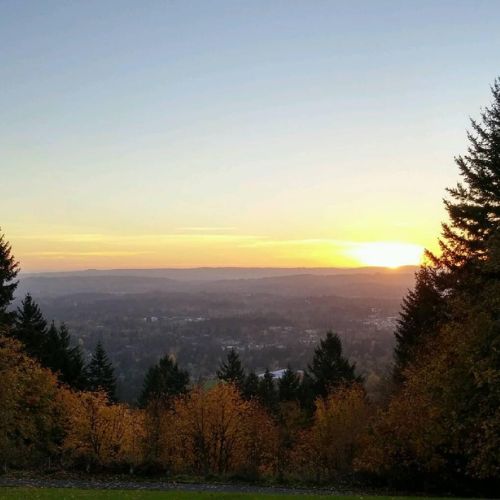
Council Crest Park is at 1,073 feet, the highest point in the city, with a 180-degree view stretching to five Cascade Range peaks on a clear day.
Mount Tabor Park:
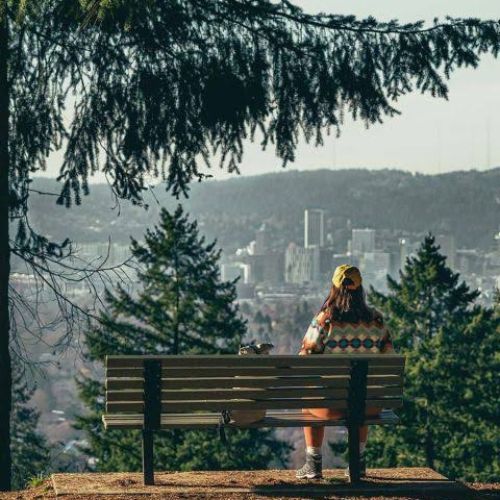
Mount Tabor Park an extinct volcano turned neighborhood park with skyline views and a popular sunset picnic spot.
Portland Aerial Tram:
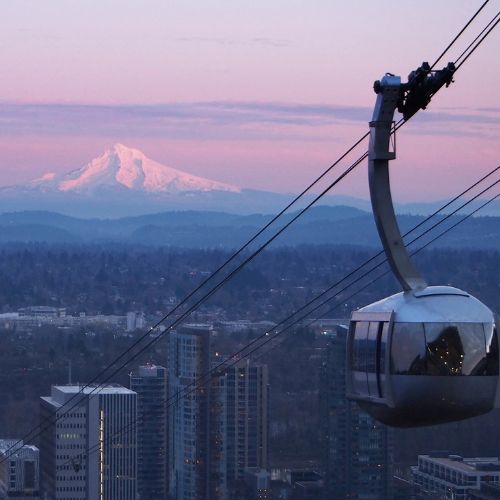
Portland Aerial Tram a five-minute ride from the South Waterfront to Marquam Hill, delivering elevated city views without a hike.
Eastbank Esplanade:
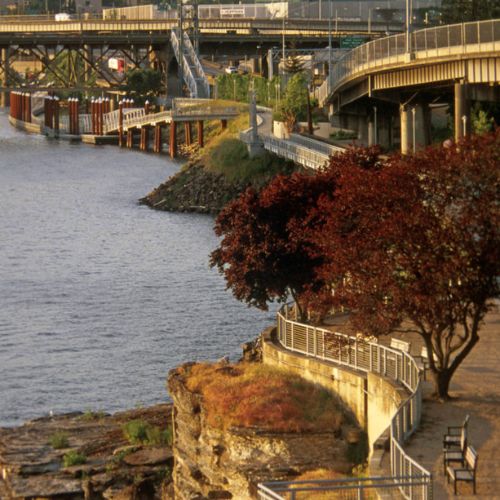
Eastbank Esplanade is flat, with easy waterfront views of downtown, the Willamette, and the city's bridges.
Rocky Butte:
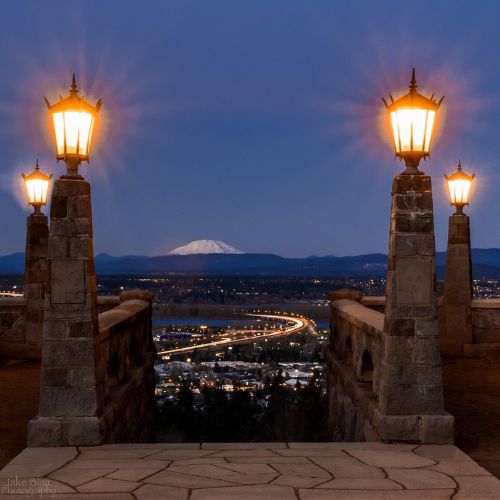
Rocky Butte an East Portland viewpoint popular for sunrise and sunset over the Cascades.
Powell Butte Nature Park:
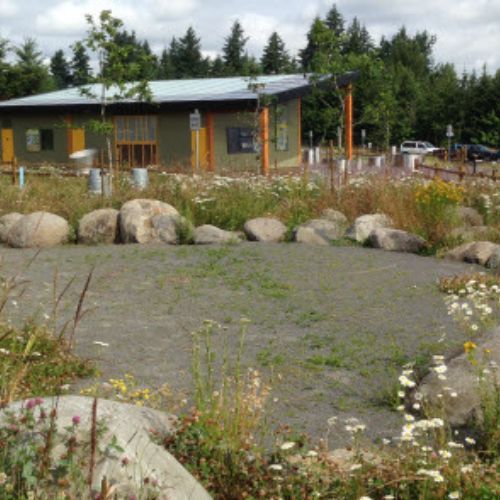
Powell Butte Nature Park has quieter trails with wide-open views of Mount Hood.
Best Portland Parks
Green space is central to Portland's identity, and these best Portland parks are worth building an afternoon around:
Forest Park:
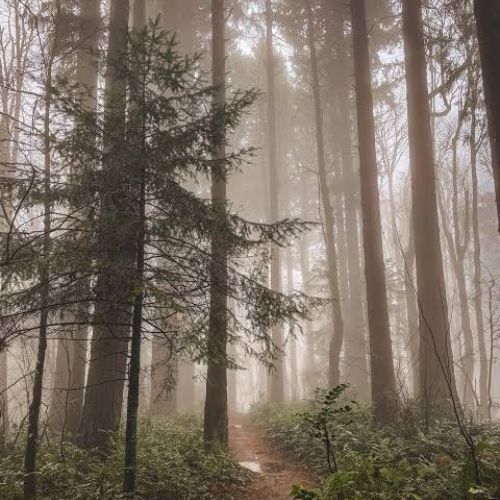
Forest Park is 5,200 acres, with 80 miles of trails, one of the largest urban forests in the country.
Washington Park:
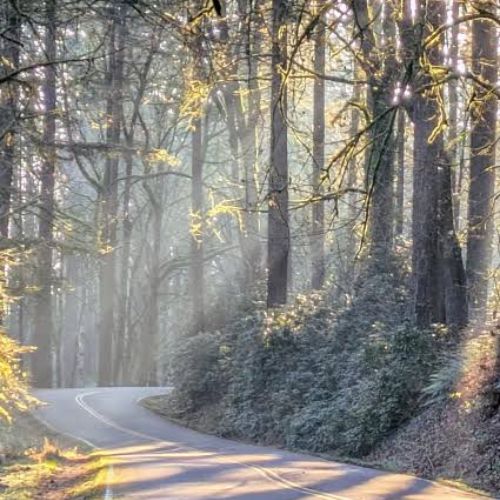
Washington Park has rose gardens, a Japanese Garden, arboretum, and the Oregon Zoo all in one location.
Mount Tabor Park:
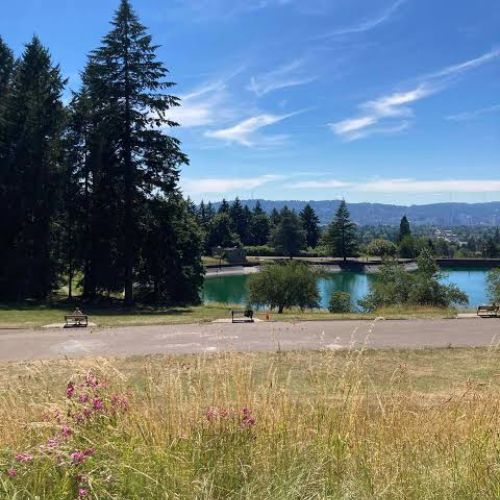
Mount Tabor Park is an extinct volcano with sports courts, an amphitheater, and skyline views.
Tom McCall Waterfront Park:
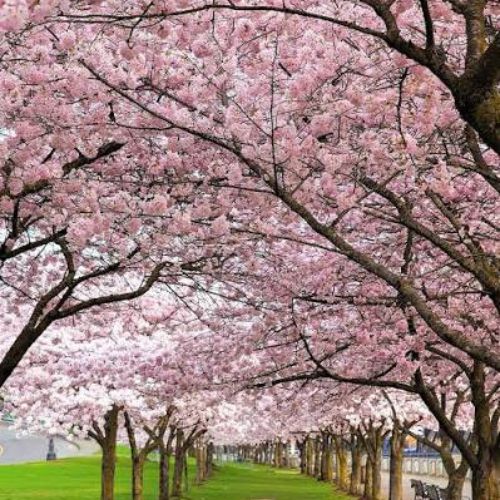
Tom McCall Waterfront Park is the city's riverside green space, home to several summer festivals and cherry blossoms in spring.
Peninsula Park Rose Garden:
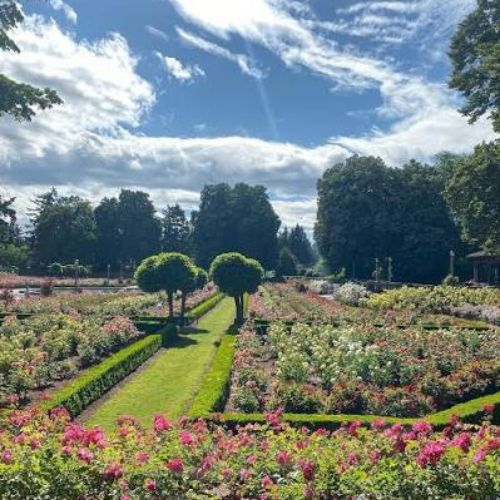
Peninsula Park Rose Garden the city's first public rose garden, less crowded than the International Rose Test Garden, blooming May through October.
Mill Ends Park:
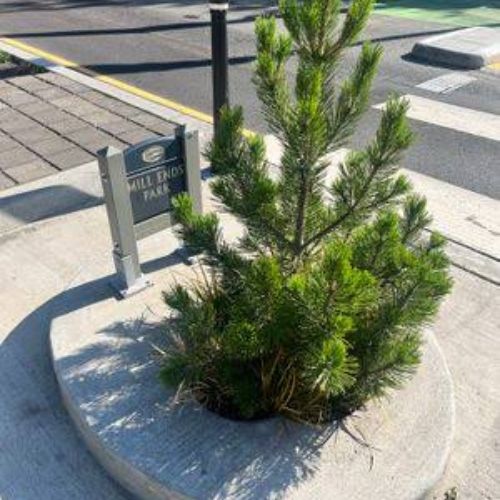
The Guinness World Record holder for the world's smallest park, worth a two-minute photo stop downtown.
Portland Secrets: Beyond the Obvious
Every Portland travel guide covers Powell's and Voodoo Doughnut; here are a few genuine Portland secrets locals actually use:
First Thursday art walks: free monthly gallery openings across the Pearl District, with the always-free Jordan Schnitzer Museum of Art at Portland State University as a year-round option.
The Portland White Stag sign in Old Town/Chinatown best photographed from the pedestrian walkway on the Burnside Bridge, especially at night.
Freakybuttrue Peculiarium near the Fremont Bridge an oddities museum and gallery that captures "Keep Portland Weird" better than almost anywhere else in the city.
The Portland State University farmers market, free to browse, running Saturday mornings with 200+ local vendors.
Multnomah Village and Sellwood are quieter, small-town-feeling neighborhoods most first-time visitors skip entirely.
Stone House ("Witch's Castle") is a crumbling 1930s ruin along the Lower Macleay Trail in Forest Park, a favorite short hike with an eerie payoff.
Experiences in Portland: Activities & Fun Things to Do
Beyond the checklist attractions, here are experiences in Portland and fun things to do that shape how the city actually feels to visit:
Downtown coffee crawl: sample Stumptown, Courier Coffee Roasters, Good Coffee, and Case Study Coffee on foot.
A guided food cart tour with 500+ carts citywide; a guided tour (or the Food Cart Finder tool on Travel Portland's site) turns a meal into an exploration.
A brewery tour with 100+ craft breweries in the metro area: a guided tour like BREWVANA hits several without the logistics.
Biking Portland's protected bike lanes rent through Biketown for an easy, traffic-free way to see multiple neighborhoods in one outing.
A Willamette River paddle or cruise offers a different, quieter angle on the skyline than the bridges offer from land.
An evening at Funhouse Lounge comedy, burlesque, and Portland's famously odd "clown room," for travelers wanting the weird side of the city after dark.
Portland Weekend Trip: A Sample Itinerary
Here's a simple structure for a Portland weekend trip or weekend in Portland, Oregon that covers the essentials without feeling rushed.
Friday: Arrive, check into downtown or the Pearl District, dinner at a food cart pod, evening stroll along Tom McCall Waterfront Park.
Saturday: Morning at Powell's City of Books, midday in Washington Park (Rose Garden, Japanese Garden, Hoyt Arboretum), afternoon at Pittock Mansion for the view, evening brewery or coffee crawl.
Sunday: Slow brunch, a short hike in Forest Park or a stop at Mount Tabor, then one last neighborhood, Alberta Arts District or Hawthorne before heading out.
Week in Portland, Oregon: Extending the Trip
If you have a week in Portland, Oregon, use the extra days to explore beyond downtown: dedicate one day to a full Washington Park visit, one to neighborhood-hopping (Alberta, Hawthorne, Mississippi, Sellwood), one to museums (Portland Art Museum, OMSI), and reserve two full days for day trips outside the city; the region rewards it.
Best Places to Visit Near Portland, Oregon
Portland's location near mountains, coast, and wine country all within two hours is one of its biggest advantages. For places to visit around Portland, Oregon and broader places to go in Oregon, these day-trip options round out any itinerary:
Destination | Distance | Highlights |
Columbia River Gorge | 30 minutes | 90+ waterfalls, hiking trails, water sports |
Mount Hood | 50 minutes – 1 hour | Hiking, waterfalls, wine tasting, winter skiing |
Hood River | 1 hour | Breweries, wineries, kayaking, quirky shops |
Cannon Beach | 1.5 hours | Haystack Rock, tide pools, Ecola State Park |
Willamette Valley | 30–45 minutes | Pinot noir wine country, rolling hills |
Oregon Coast (Astoria to Yachats) | 1.5–2 hours | Rugged coastline, historic port towns |
For a single unforgettable half-day, the Columbia River Gorge is the easiest win. Multnomah Falls alone justifies the drive, and several tour operators run hop-on-hop-off waterfall trolleys from Portland if you'd rather skip the parking.
Portland Oregon Travel Packages & Vacation Deals
Booking a Portland Oregon vacation package can simplify logistics, especially for a first trip, but it pays to compare before committing:
Membership organizations (like AAA) often bundle hotel discounts, attraction tickets, and guided day tours with member-only savings.
Airline vacation packages (flight + hotel bundles) frequently undercut booking each piece separately, particularly for summer travel.
Local tour operators offer half-day and full-day add-ons: Mount Hood waterfall tours, food and coffee crawls, brewery tours that can be added to a package or booked individually.
Compare package deals against booking direct before assuming a bundle is cheaper; sometimes hotel + activity discounts individually beat a packaged rate, especially outside peak summer months.
Other Ways to Save Money in Portland
Portland is genuinely one of the more affordable major U.S. cities to visit, especially if you use these tactics:
No sales tax means the sticker price is the price, a real advantage for shopping.
Sightsee for free; many of Portland's best attractions, including most parks and gardens, charge no entrance fee.
First Thursday and museum free days, the Portland Art Museum offers free admission on the first Thursday of the month, and the Jordan Schnitzer Museum of Art at PSU is always free.
Skip the rental car if staying central downtown; hotel parking can run $40+ per night; TriMet, MAX, and the Streetcar cover most of what visitors need.
Eat at food carts; some of the best meals in the city cost a fraction of sit-down restaurant prices.
Plan around happy hour restaurants and bars across the city that run daily food and drink specials.
Travel shoulder season fall and winter bring lower hotel rates than the June–August peak.
Check deal aggregators before booking sites like Tripconomy round up current discount codes and limited-time offers on Portland hotels, tours, and vacation packages, which can shave real money off the trip before you even land.
Conclusion
Portland rewards travelers who slow down enough to notice the details: a volcano turned into a neighborhood park, a two-foot park that made it into Guinness World Records, a bookstore big enough to lose an afternoon in. Time your trip for June through August if festivals and rose gardens matter most, or aim for fall if you'd rather trade a little rain for lower prices and thinner crowds. Base yourself downtown or in the Pearl District for walkability, leave room in the itinerary for at least one day trip into the Gorge or Mount Hood, and don't skip the free stuff; some of the best things to do in Portland don't cost a dime. Before you book flights, hotels, or a vacation package, it's worth a quick check for active discount codes; a few minutes of comparison shopping can meaningfully lower the cost of your Rose City trip.