Arizona Guide: Plan Your Dream Trip Today
Arizona doesn't do "pretty good." It does the Grand Canyon, the seven natural wonders of the world, red rocks that glow like embers at sunset, slot canyons carved by centuries of flash floods, and desert nights so dark you can see the Milky Way with your bare eyes. Whether you're planning a trip to Arizona for the first time or road-tripping through for the fifth, this Arizona guide breaks down exactly where to go, when to go, and how to keep your budget intact while you do it.
This isn't a rehashed "top 10" listicle. It's a complete Arizona trip planner: region-by-region breakdowns, a realistic road trip itinerary, must-see places ranked by what's actually worth your time, and the money-saving strategies locals use to visit the same landmarks for a fraction of the tourist price.
Why Visit Arizona
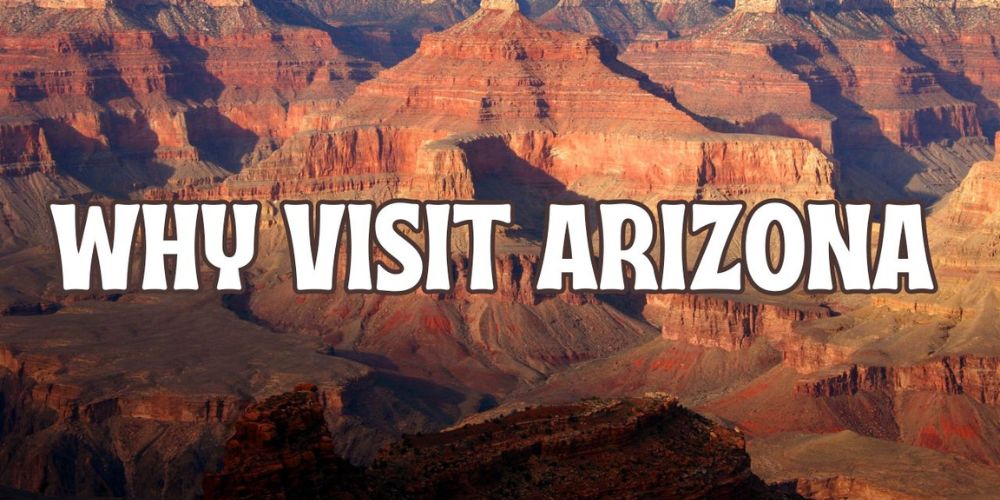
If you're still asking why visit Arizona, here's the short answer: no other U.S. state packs this much geographic range into a single road trip. In one week, you can stand on the rim of the Grand Canyon, hike among Sedona's red rock formations, wander a 200-year-old mining town turned art colony, and eat some of the best Sonoran-Mexican food in the country all without crossing a state line.
Arizona is beautiful in a way that photographs undersell. The Grand Canyon is one of the seven natural wonders of the world. The Sonoran Desert is the wettest desert on Earth, meaning it actually supports thick forests of saguaro cactus, wildflower blooms, and surprising biodiversity. Add 22 tribal nations preserving thousands of years of Native American history and culture, dark-sky preserves for stargazing, and a climate that lets you plan around whichever season suits you best, and it's easy to see why Arizona pulls in over 40 million visitors a year.
It's also one of the more accessible big-nature states. Phoenix Sky Harbor and Tucson International both have major flight connections, rental cars are widely available, and the distances between marquee attractions while real are manageable in a well-planned week.
Best Time for Planning a Trip to Arizona
Arizona isn't a single climate; it's several. That matters enormously when you're planning a trip to Arizona, because "best time to visit" depends entirely on which region you're headed to.
Region | Best Months | Why | |
Phoenix & Sonoran Desert | October–April | Summer highs regularly exceed 105°F; shoulder season is mild and sunny | |
Sedona & Verde Valley | March–May, Sept–Nov | Comfortable hiking temps, fall color in Oak Creek Canyon | |
Grand Canyon South Rim | Year-round | Open all year; May–Oct is warmest and busiest | |
Grand Canyon North Rim | Mid-May–mid-Oct | Closes in winter due to snow | |
Flagstaff & White Mountains | May–October | High elevation keeps summers cool; a genuine escape from desert heat | |
Tucson & Southern Arizona | October–April | Mirrors Phoenix's seasonal pattern, slightly milder |
If you want to dodge both crowds and extreme heat, aim for late September through early November or March through early May. Summer (July–September) brings dramatic monsoon storms that are spectacular to watch but require flexible planning around flash flood warnings, especially in slot canyons.
Best Part of Arizona to Vacation: A Region-by-Region Breakdown
There's no single "best place in Arizona"; it depends on what kind of trip you want. Here's how the state's main vacation regions stack up, so you can decide the best part of Arizona to vacation based on your priorities.
Region | Best For | Signature Sights | Ideal Trip Length |
Sedona & Red Rock Country | Scenery, hiking, wellness | Cathedral Rock, Chapel of the Holy Cross, Oak Creek Canyon | 2–3 days |
Grand Canyon (South Rim) | First-timers, iconic views | South Rim overlooks, Bright Angel Trail | 1–2 days |
Page & Lake Powell | Photography, water sports | Antelope Canyon, Horseshoe Bend, Lake Powell | 2 days |
Phoenix & Scottsdale | Urban comfort, golf, dining | Desert Botanical Garden, Old Town Scottsdale, Camelback Mountain | 2–3 days |
Tucson | Culture, food, Sonoran Desert | Saguaro National Park, Mission San Xavier del Bac | 2 days |
Monument Valley | Bucket-list landscapes, Navajo culture | Mitten Buttes, backcountry tours | 1–2 days |
Flagstaff & the White Mountains | Cool summers, forests, stargazing | Lowell Observatory, Coconino National Forest | 1–2 days |
Verde Valley (Jerome, Cottonwood) | Small-town charm, wine | Jerome ghost town, Verde Valley Wine Trail | 1 day |
For a first Arizona trip, most travelers find that Sedona and the Grand Canyon deliver the highest "wow per mile driven." If you've already checked those off, Page and Monument Valley are the best places in Arizona for a second trip focused on otherworldly landscapes.
Arizona Must-See Places: The Top 12
These are the Arizona must-see places that consistently earn their reputation not just because they're famous, but because they deliver an experience you genuinely can't get anywhere else.
Grand Canyon National Park (South Rim): 277 miles of canyon carved by the Colorado River. The South Rim is open year-round and has the most infrastructure: shuttle buses, lodges, and multiple overlook points along Hermit Road and Desert View Drive.
Antelope Canyon (Page): The wave-shaped sandstone slot canyon everyone's seen in photos. Access is guided-only through Navajo-owned tour operators, and midday summer tours capture the famous light beams.
Sedona's Red Rock Formations: Cathedral Rock, Bell Rock, and Courthouse Butte anchor a landscape locals believe sits on energy vortexes. Even if you're skeptical of the metaphysics, the hiking is undeniable.
Horseshoe Bend: A dramatic 270-degree bend in the Colorado River, a short walk from a parking area near Page. Best at sunset.
Monument Valley Navajo Tribal Park: The West and East Mitten Buttes and Three Sisters formations rise up to 1,000 feet from the desert floor. This is Navajo Nation land, and a Navajo-guided backcountry tour is the best way to see it properly.
Saguaro National Park (Tucson): Split into east and west districts flanking Tucson, this is the place to see the Sonoran Desert's iconic cactus forests up close.
Havasu Falls: Turquoise waterfalls inside the Havasupai Indian Reservation, reached via a demanding 10-mile hike. Permits are required, limited, and should be booked months ahead.
Petrified Forest National Park & Painted Desert: Fossilized 200-million-year-old trees scattered across colorful badlands. An easy add-on for anyone driving Route 66 or I-40.
Montezuma Castle National Monument: A remarkably preserved 12th-century cliff dwelling built by the Sinagua people, viewable from an easy paved trail.
Jerome: A former copper-mining boomtown clinging to Mingus Mountain, now full of galleries, wine-tasting rooms, and self-declared ghost stories.
Chapel of the Holy Cross (Sedona): A modern chapel built directly into red-rock cliffs, offering some of the best framed views in the state.
Tombstone: The Wild West town where the Gunfight at the O.K. Corral actually happened, now a walkable slice of 1880s history.
Top Vacation Spots and Destinations in Arizona (By City)
If you'd rather plan by base city than by landmark, here are the top vacation spots in Arizona and what each one is genuinely good for.
Phoenix
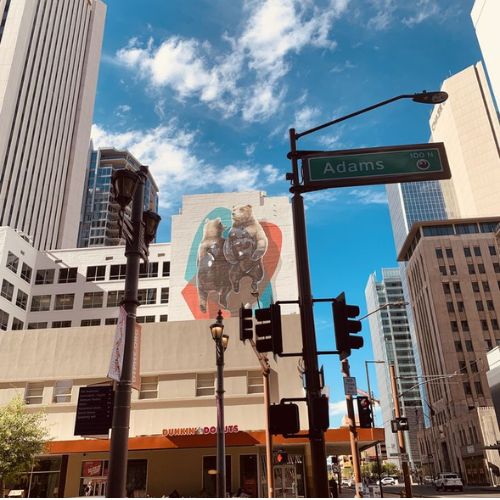
Phoenix is the state's largest city and a strong home base if you want urban comforts, resorts, golf, a walkable downtown Art District, and easy access to the Valley Metro Light Rail. It's also the most central launch point for day trips to Sedona, the Superstition Mountains, and Saguaro Lake.
Scottsdale
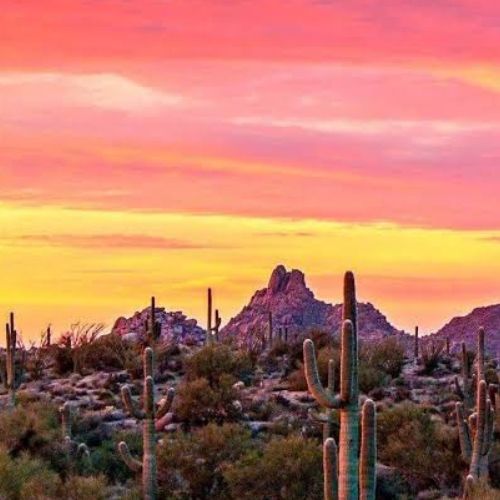
Scottsdale sits just northeast of Phoenix and leans more upscale: spa resorts, Old Town shopping, and Western Spirit Scottsdale's Museum of the West. It pairs well with golf-focused or wellness-focused trips.
Sedona
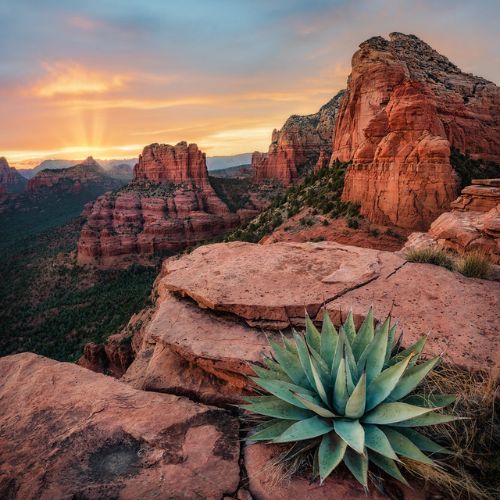
Sedona is Arizona's most photographed town, and for good reason. Uptown Sedona has galleries, the Tlaquepaque Arts & Shopping Village, and trailheads within walking distance of downtown lodging.
Flagstaff
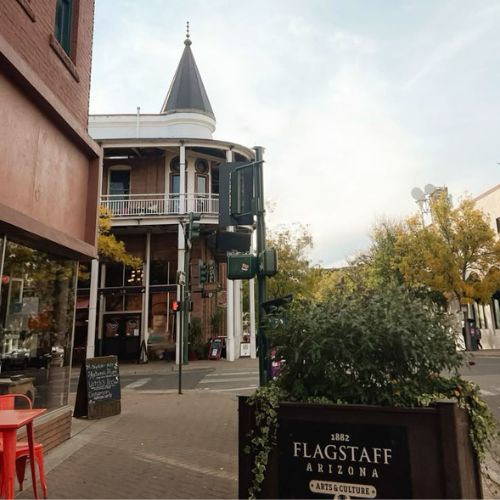
Flagstaff sits at 7,000 feet, making it noticeably cooler than the desert cities a smart base for summer trips or for anyone driving up to the Grand Canyon's South Rim (about 80 minutes away).
Tucson
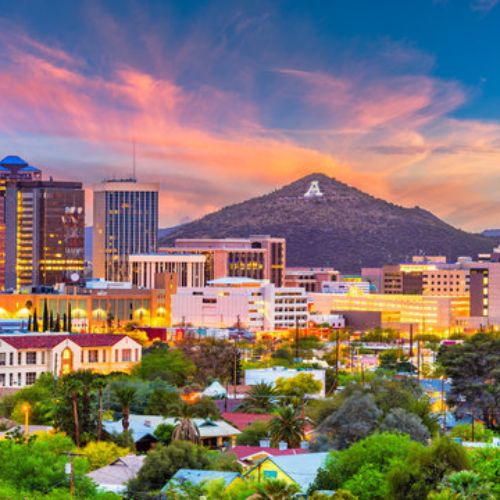
Tucson has a distinct identity from Phoenix: Spanish colonial architecture, a UNESCO-recognized gastronomy scene, and closer proximity to Saguaro National Park and the Arizona-Sonora Desert Museum.
Page
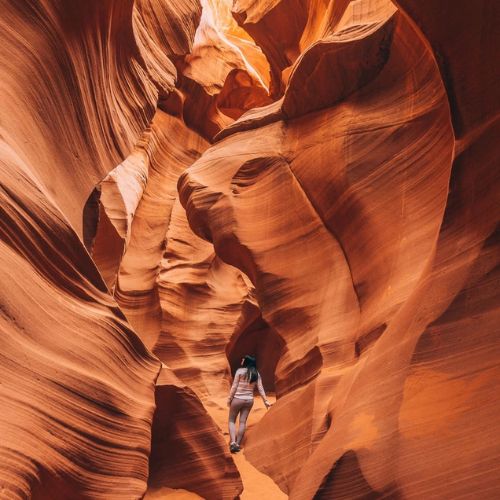
Page is a small, functional town that exists almost entirely to serve visitors to Antelope Canyon, Horseshoe Bend, and Lake Powell. Book lodging here well ahead; rooms sell out fast in shoulder season.
Prescott
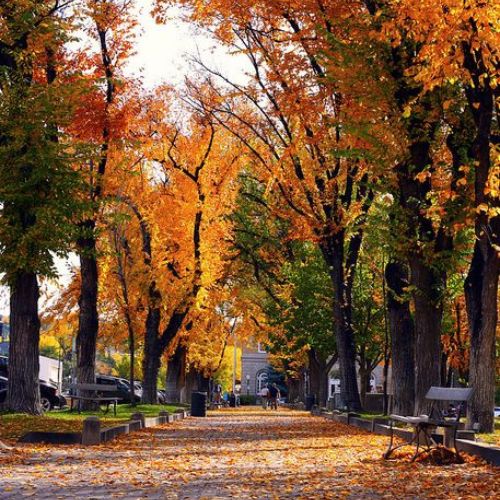
Prescott sits at 5,400 feet in Arizona's central highlands, where the desert gives way to pine forest. Its Victorian-era courthouse square and Whiskey Row make it one of the state's most underrated destinations for travelers who want charm without crowds.
Arizona Road Trip: A 7-Day Sample Itinerary
For travelers set on an Arizona road trip rather than a single-base vacation, here's a realistic week that covers the state's headline destinations without over-packing the driving days.
Day 1 Phoenix: Fly into Sky Harbor, pick up a rental car, explore Downtown Phoenix or the Desert Botanical Garden.
Day 2 Sedona: Drive roughly two hours north. Hike Cathedral Rock or Bell Rock, then explore Uptown Sedona and Tlaquepaque.
Day 3 Sedona to Flagstaff: Drive the scenic Oak Creek Canyon route, stopping at overlooks. Base in Flagstaff for the night.
Day 4 Grand Canyon South Rim: About 80 minutes from Flagstaff. Spend the day walking the Rim Trail and catching sunset from a west-facing overlook.
Day 5 Grand Canyon to Page: Roughly 2.5 hours. Visit Horseshoe Bend in the late afternoon light.
Day 6 Page: Take a guided Antelope Canyon tour in the morning; kayak or relax at Lake Powell in the afternoon.
Day 7 Return to Phoenix or extend to Monument Valley: With extra time, add two nights in Monument Valley before looping back; otherwise, drive back to Phoenix (about 4.5 hours) to fly home.
This route can be compressed into 5 days by skipping Page, or extended to 10–14 days by adding Tucson, Saguaro National Park, and the Verde Valley wine trail. Arizona is large; always build in more driving time than Google Maps suggests, especially around scenic byways where you'll want to stop constantly.
Must-Do Experiences in Arizona
Beyond the sightseeing checklist, these are the Arizona trip ideas that turn a good trip into a memorable one.
Watch sunrise or sunset at Horseshoe Bend; the light shifts the canyon's color dramatically within minutes.
Take a Navajo-guided tour of Monument Valley's backcountry, not just the visitor-center overlook.
Go stargazing in a certified Dark Sky community. Flagstaff was the world's first International Dark Sky City.
Ride the historic Grand Canyon Railway from Williams into the South Rim.
Drive a stretch of Route 66 through Williams and Kingman for classic Americana.
Taste the Verde Valley Wine Trail near Cottonwood, just outside Sedona.
Cool off at Slide Rock State Park, a natural water slide carved into Oak Creek.
Visit a working cattle-town saloon in Tombstone for a slice of Wild West history that isn't staged for tourists.
Beautiful Spots in Arizona for Photography and Slow Travel
If your trip is built around scenery rather than a checklist, these are consistently ranked among the most beautiful spots in Arizona:
Antelope Canyon's light beams (best captured on a midday summer tour)
Cathedral Rock at golden hour, Sedona
The Wave-like sandstone folds along Horseshoe Bend's rim
Papago Park's red sandstone buttes, Phoenix, free, easy access, and often overlooked
Canyon de Chelly, where ancient cliff dwellings sit beneath towering red walls
Oak Creek Canyon's fall foliage, late October into November
The Painted Desert's shifting badland colors, Petrified Forest National Park
Arizona Trip Planner: Your Step-by-Step Checklist
Use this as a working Arizona trip planner while you build your itinerary:
Pick your season first, then your regions. Desert cities and high country are almost never ideal at the same time of year.
Book permits and guided tours early. Antelope Canyon, Havasu Falls, and Monument Valley backcountry tours all require reservations some 4–6 months out for peak season.
Decide: single base or road trip? A Phoenix or Sedona base works for shorter trips; a road trip suits 7+ days.
Reserve lodging in Page and near the Grand Canyon early; these small towns have limited rooms relative to visitor demand.
Rent a car even if you're staying in one city. Public transit is limited outside Phoenix's light rail corridor.
Build in buffer time between stops. Arizona's distances are deceptive, and scenic byways beg for unplanned stops.
Pack for temperature swings. Desert floor and high-elevation stops on the same day can differ by 20–30°F.
Download offline maps. Cell service is unreliable in Monument Valley, the North Rim, and other remote stretches.
How to Save Money on Your Arizona Vacation
Arizona rewards budget-conscious planning more than most bucket-list destinations. Here's how to keep costs down without cutting the trip short.
Buy the America the Beautiful Annual Pass ($80). It covers entrance fees at Grand Canyon, Saguaro, Petrified Forest, and dozens of other federal sites for a full year; it pays for itself after just two or three park visits.
Base yourself outside the tourist core. Staying in Flagstaff or Williams instead of inside Grand Canyon National Park, or in Phoenix instead of Scottsdale's resort corridor, can cut lodging costs by 40–60%.
Travel shoulder season. Late fall and early spring bring lower hotel rates alongside more comfortable temperatures.
Self-drive instead of booking guided day tours. A rental car and a tank of gas to Sedona or Flagstaff can cost a fraction of a per-person tour package, while giving you control over your schedule.
Use free or low-cost attractions. Papago Park, Sabino Canyon, and many hiking trails have minimal or no entrance fees; several Phoenix museums offer free or pay-what-you-can days.
Fill up strategically. Gas prices swing by $0.20–$0.40 per gallon across the state border towns, and reservation stations are often cheaper than tourist-heavy areas.
Book Page and Grand Canyon-area lodging through comparison sites early, since last-minute rates in these limited-inventory towns climb fast.
Pack food for road days. Groceries and a cooler save significantly over restaurant meals on long driving stretches between towns.
Conclusion
Arizona rewards travelers who plan a little and stay flexible a lot. Lock in your permits and lodging for the pinch points Antelope Canyon, Havasu Falls, Page-area hotels and leave room in the itinerary for the unplanned pull-offs, the sunset that catches you at the right overlook, and the small towns that don't make anyone's top-10 list but end up being the best part of the trip.
Whichever region you choose as your base, this Arizona guide gives you the framework: pick your season, pick your region, book the pinch points early, and use the money-saving strategies above to stretch your budget further. Arizona's landscapes are dramatic enough to carry the trip on their own; your planning just needs to keep up.