Salt Lake City Guide: Everything You Need to Know
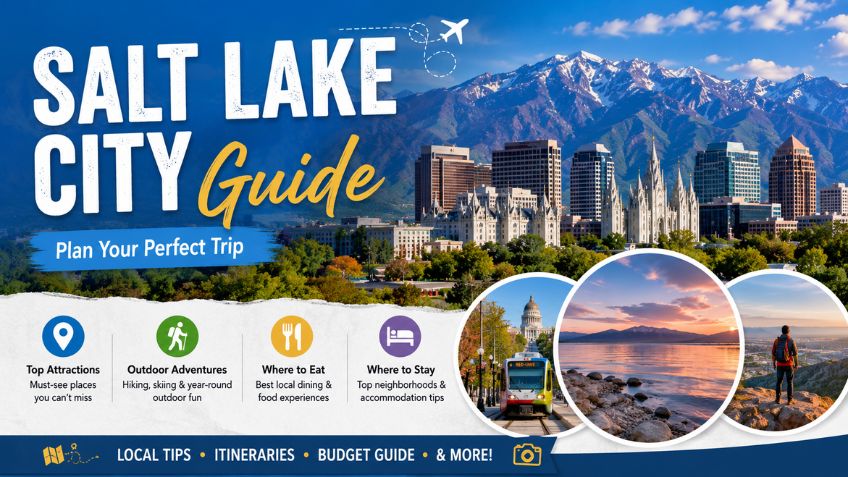
Ask most people what they picture when they think of Salt Lake City, and you'll probably get a blank stare or a half-remembered fact about the 2002 Winter Olympics. That's a shame, honestly, because the city has quietly become one of the more interesting places to visit in the western US. You've got serious mountains fifteen minutes from downtown, a lake that behaves nothing like a normal lake, and a food scene that would surprise anyone still picturing Salt Lake City as sleepy or one-note.
This guide is built for people actually planning a trip, whether that's a quick weekend getaway, a family vacation, or a longer stay where you want time to find the spots most visitors walk right past. We'll cover the basics: where the city sits, how to get around, and what the neighborhoods feel like. Then we'll get into the good stuff: the best things to do, the hidden gems, and a realistic weekend itinerary you can actually follow.
Where Is Salt Lake City, and Why Visit?
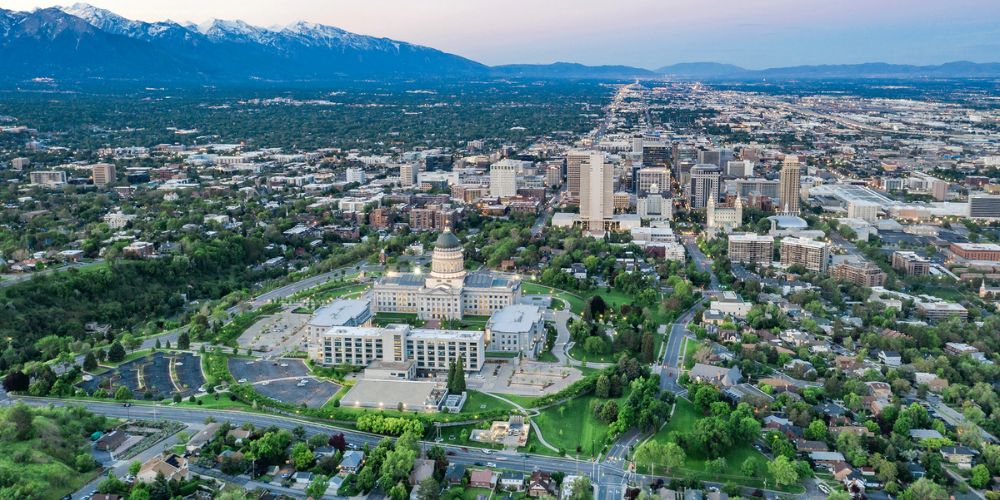
Salt Lake City is the capital of Utah, sitting in a valley with the Wasatch Mountains rising on one side and the Great Salt Lake stretching out on the other. If you're flying in from outside the US, a few quick notes: the city runs on Mountain Time, prices are in US dollars, and pretty much every hotel and restaurant takes international cards without issue.
What makes the location genuinely unusual is how close everything is. You can ski in the morning and be back downtown for lunch. A handful of national parks are within a day's drive. And because the city hosted the Winter Olympics in 2002, with the 2034 Games already confirmed to return, there's been a steady stream of investment in public transit, parks, and general infrastructure that makes visiting easier than you'd expect from a mid-sized American city.
None of that would matter much if the city itself were forgettable, but it isn't. Downtown mixes older buildings with newer development, and each neighborhood has its own personality, something we'll get into shortly. If you're using this Salt Lake City guide to decide whether the trip is worth it, the short answer is yes, and the mountains alone are reason enough.
Climate and Best Time to Visit
Salt Lake City gets all four seasons, and each one changes what the trip looks like. Winter, roughly November through March, brings serious snow to the mountains, great news if skiing or snowboarding is the plan. Summers run hot and dry, with July afternoons regularly climbing into the mid-90s Fahrenheit, which is fine for hiking early in the day but rough by mid-afternoon.
If you want the easiest weather to plan around, aim for May, June, September, or October. Trails are open, temperatures sit in a comfortable range, and you'll dodge both the winter crowds heading to the resorts and the summer heat that pushes people indoors by 2 p.m.
Getting To and Around Salt Lake City
One thing that surprises first-time visitors: the airport is genuinely close to downtown. Salt Lake City International Airport sits just a short drive from the city center, so you're not looking at the hour-long slog that plenty of other major cities put you through.
Once you land, getting around isn't complicated. There's a light rail system called TRAX connecting the airport, downtown, the university area, and the suburbs, plus a bus network that covers most of what TRAX doesn't. Downtown itself is walkable enough that you can skip a car entirely if you're staying central. That said, if canyons, ski resorts, or a national park day trip are on the agenda, renting a car makes life a lot easier.
Understanding the City Layout
Salt Lake City uses a grid system that dates back to the 1800s, with addresses measured in blocks out from a central point downtown. It sounds technical, but in practice, it means the city is almost impossible to get lost in once you understand the pattern, a relief if you're used to navigating older cities with streets that seem to wander wherever they want.
Top Neighborhoods to Explore
Downtown is the obvious starting point. Temple Square, government buildings, and a growing cluster of restaurants and hotels all sit within walking distance of each other. But the neighborhoods outside downtown are where the city's personality really shows up.
Sugar House, a few miles southeast, has a relaxed, almost small-town feel, with independent shops, coffee spots, and a large public park that fills up on weekends. The 9th and 9th district leans eclectic, think vintage stores, secondhand bookshops, and murals covering the sides of buildings, and tends to attract visitors who want something less polished than the typical tourist strip. Then there's the Marmalade District, tucked into the hillside north of downtown, which is quieter and more residential, but worth the walk for the views alone.
Top Things to Do in Salt Lake City

If you're short on time and just want the highlights, here's where to focus. These cover the best things to do in Salt Lake City for pretty much any type of traveler:
Temple Square: A 10-acre historic site downtown with striking architecture and gardens, open to visitors year-round regardless of background.
Natural History Museum of Utah: Built right into the hillside, with dinosaur and geology exhibits that hold up whether you're seven or seventy.
Red Butte Garden: A sprawling botanical garden that also hosts outdoor concerts in the warmer months.
This Is the Place Heritage Park: A recreated pioneer-era village where you can actually walk through the history rather than just read about it.
Great Salt Lake State Park: The easiest access point to the lake itself, especially good around sunset.
Antelope Island State Park: A short drive out, home to free-roaming bison and some of the best lake views around.
Utah State Capitol: Free tours and arguably the best skyline view in the whole city.
Cottonwood Canyon resorts: Alta, Snowbird, Brighton, and Solitude are all under 40 minutes from downtown.
Most of these can realistically fit into a single day if you're strategic about routing, though giving yourself two days lets you actually enjoy them instead of rushing.
What to Do in Salt Lake City With Kids
Salt Lake City handles kids better than a lot of destinations its size, mostly because so many attractions are built around hands-on exploring rather than "look but don't touch."
Take the Natural History Museum of Utah. Kids gravitate toward the dinosaur exhibits almost instantly, and there's enough interactive stuff to hold attention for a couple of hours. The Clark Planetarium is a solid backup for a hot afternoon or a rainy day, with free exhibits and ticketed shows if you want the full experience. Liberty Park is another easy win, especially if your kids need to burn off energy; there's open green space plus a seasonal aviary that younger children tend to love.
For families who want something more active, the Cottonwood Canyons have hiking trails gentle enough for kids, and some resorts run scenic trams in summer if a full hike feels ambitious. Come winter, several resorts offer beginner lessons built specifically for young children, so a family ski trip is doable even if nobody in the family has skied before.
Indoor Options for Family Days
Utah weather doesn't always cooperate, so it helps to have a backup plan. The Discovery Gateway Children's Museum is built entirely around play-based learning zones, and the Leonardo Museum blends art and science in a way that works for a wider age range than you'd expect. Both sit centrally enough to slot into a downtown day without much extra travel.
The Perfect Weekend in Salt Lake City
A weekend in Salt Lake City is genuinely doable, and the compact layout means you're not burning half your trip in transit.
Day one works well, starting at Temple Square, then heading up to the State Capitol for that skyline view. Spend the afternoon wandering downtown's restaurants and shops, then head to Sugar House or 9th and 9th for dinner somewhere with a bit more character. Day two is where the mountains come in: a morning trip up one of the Cottonwood Canyons, hiking or skiing depending on the season, followed by an afternoon at the Great Salt Lake or Antelope Island to catch the sunset. If you've got a third day, that's your chance to slow down with museums, local bookstores, and a coffee shop you didn't plan on discovering.
This pacing works whether you're traveling solo, as a couple, or with kids in tow, since nearly everything sits within thirty minutes of downtown.
Hidden Gems in Salt Lake City
Once you've hit the obvious highlights, there are a few hidden gems in Salt Lake City that most guidebooks skip entirely, and they tend to be the parts people remember most.
The Gilgal Sculpture Garden is tucked behind a building downtown, and it's strange enough that plenty of locals don't even know it exists. Ensign Peak, just north of downtown, is a short hike that rewards you with one of the best panoramic views of the whole valley, minus the crowds you'd find at the more popular lookouts. The Rio Grande neighborhood, built around a historic train depot, has quietly turned into a spot for local art and community events. And if you're into food, Granary Row rotates through a changing lineup of shipping-container restaurants and pop-ups, so what you find there in June won't be the same in October.
Food and Dining in Salt Lake City
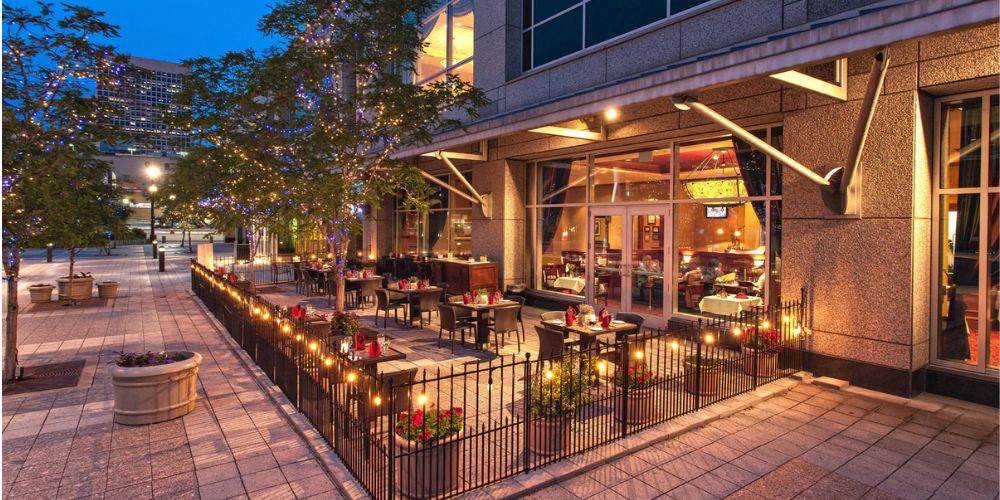
The food scene here has changed a lot over the past decade. It's no longer just diner fare and chain restaurants. You'll find strong Latin American, Asian, and Middle Eastern kitchens alongside the classic American spots, especially downtown and in the Central Ninth neighborhood, which has become something of a hub for independent restaurants and coffee shops.
A few local things worth trying: Utah-style scones, which are fried bread served with honey butter and have nothing to do with the British version; fry sauce, a regional condiment you'll find at most local burger joints; and fresh trout, given how close the city sits to mountain streams. The Downtown Farmers Market runs seasonally and is a good, low-key way to sample local produce and see what people here are actually cooking with.
Where to Stay in Salt Lake City
Picking the right base makes a bigger difference here than in most cities, mostly because it decides how much time you'll spend commuting to the mountains versus walking to dinner.
Downtown is the easiest choice for first-time visitors. Hotels here put you within walking distance of Temple Square, the Capitol, and most of the restaurant scene, and you're right on the TRAX line if you want to head out without a car. If budget is the priority, there are a handful of solid mid-range chains near the airport and along the interstate that run noticeably cheaper, though you'll want a car to get around. Travelers chasing ski season sometimes skip downtown entirely and book closer to the Cottonwood Canyons, which cuts commute time to the slopes but leaves you further from the city's restaurants and nightlife. For a quieter, more residential feel without losing walkability, a handful of boutique stays in Sugar House and the Marmalade District offer a nice middle ground.
What Does a Trip to Salt Lake City Cost?
Costs here land somewhere in the middle compared to other major US destinations, cheaper than places like San Francisco or New York, but not quite as budget-friendly as smaller regional cities.
A mid-range hotel downtown typically runs higher during ski season (December through March) and drops noticeably in the shoulder months. Meals vary widely: a casual lunch downtown might run you 12 to 18 dollars, while a sit-down dinner with drinks can climb past 40 per person at nicer spots. Many of the city's best experiences don't cost much at all. Temple Square, the State Capitol, and hikes like Ensign Peak are free, and museums like the Natural History Museum of Utah charge a reasonable entry fee that's well worth it. The biggest variable is usually ski passes and canyon activities, which can add up quickly if that's the main reason for your trip, so it's worth checking current lift ticket pricing before you lock in a winter visit.
Nightlife in Salt Lake City
The nightlife scene tends to surprise people, mostly because Utah's reputation for strict alcohol laws leads visitors to assume there isn't much of one. That's not really the case anymore.
Downtown has a growing collection of craft breweries, cocktail bars, and late-night restaurants, with a noticeable cluster around Main Street and the Central Ninth neighborhood. Live music venues host everything from touring indie acts to local jazz nights, and a few rooftop bars downtown make for a solid, low-key evening with skyline views. It's worth keeping in mind that some bars operate as private clubs requiring a small membership fee or a sponsoring member, a holdover from older regulations, though most standard restaurants and bars serve alcohol without that requirement now. Checking hours ahead of time is smart too, since last call and service cutoffs can come earlier than visitors from bigger cities might expect.
Day Trips Beyond Salt Lake City
If you've got extra time, Salt Lake City works well as a home base for exploring further afield, and several standout destinations sit within a few hours' drive.
Park City, about 45 minutes east, is worth a visit even outside ski season, with a walkable historic Main Street, galleries, and its own summer festival calendar. Zion National Park and Arches National Park are both further out, roughly four to five hours south, but doable as an overnight add-on if you're willing to build in extra driving time. Closer in, Bridal Veil Falls and Provo Canyon offer a quick nature fix without eating up a whole day. For travelers with a rental car and a bit of flexibility, pairing a few days in Salt Lake City with a loop through one or two of Utah's national parks is a common and rewarding way to extend the trip.
Safety and Accessibility
Salt Lake City is generally considered a safe destination for travelers, including solo travelers and families, with most visitor areas well-lit and busy well into the evening. As with any city, it's sensible to stay aware in less populated areas after dark and keep valuables out of sight in parked cars, particularly near trailheads.
For travelers with mobility needs, downtown is relatively accessible, with ramped curbs, accessible TRAX stations, and many major attractions, including Temple Square and the Natural History Museum of Utah, offering wheelchair access and accommodations. Some of the hiking trails mentioned earlier, particularly in the canyons, are more rugged and less suited to wheelchairs or strollers, so it's worth checking trail conditions in advance if accessibility is a concern. Utah's high elevation is also worth flagging again here specifically for travelers with respiratory or heart conditions, since the thinner air can affect people more than they expect, even those in good general health.
Practical Travel Tips
A few things that catch international visitors off guard: tipping 15 to 20 percent at restaurants isn't optional here, it's the expectation. Utah also has its own alcohol laws, including specific rules around service hours, so it's worth checking current regulations if drinking is part of your plans.
Elevation is another one that people underestimate. Salt Lake City sits around 4,300 feet above sea level, and it's common to feel a bit more tired or short of breath for the first day or two, especially if you're heading straight into hiking or skiing. Drinking more water than usual and easing into physical activity helps most people adjust without much trouble.
Final Thoughts
Salt Lake City packs in more than most people expect: mountains and a lake practically at the doorstep, neighborhoods with real character, and a food scene that's grown well past its old reputation. Whether you're working with a quick weekend in Salt Lake City, planning a family trip built around outdoor time, or hoping to find a few hidden gems along the way, this guide should give you a solid starting point. Start with the basics, leave room for the unplanned stuff, and the city tends to do the rest.