When booking a flight, safety is often the first thing travelers consider. Ticket prices, baggage allowances, legroom, and entertainment matter, but knowing that you are flying with a reliable airline can make the journey much more comfortable.
So, what is the safest airline in the USA?
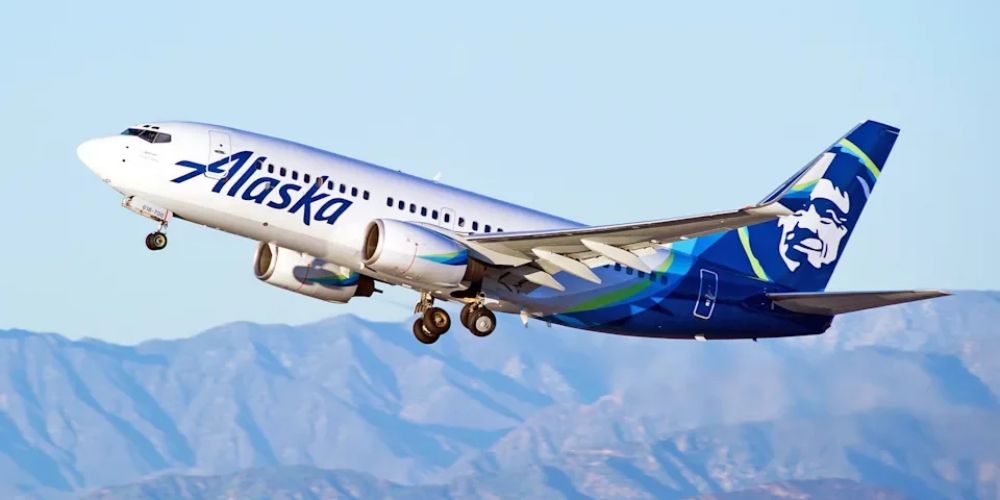
There is no official government ranking that names one U.S. airline as the safest. However, independent 2026 airline safety rankings place Alaska Airlines as the highest-ranked U.S. full-service airline, while Southwest Airlines is the highest-ranked U.S. low-cost carrier in its category.
Other major U.S. airlines, including Delta and American Airlines, also appear among the highly ranked carriers. The differences between airlines near the top of safety rankings can be relatively small, so a ranking should not be treated as proof that one airline is dramatically safer than another.
What Is the Safest Airline in the USA?
Airline | 2026 Ranking | Category |
|---|---|---|
Alaska Airlines | 15 | Full-service |
Southwest Airlines | 6 | Low-cost |
JetBlue Airways | 14 | Low-cost |
Delta Air Lines | 23 | Full-service |
American Airlines | 24 | Full-service |
These are separate full-service and low-cost rankings, so the numbers should not be compared as though all airlines are competing in one list.
Safest Airlines in the USA
1. Alaska Airlines
Alaska Airlines is the highest-ranked U.S. full-service carrier in the 2026 safety ranking.
The airline's safety assessment takes several factors into account, including its operational history, incident record, aircraft fleet, pilot training, and safety procedures.
Its position makes it one of the main choices travelers researching safe airlines in USA will come across.
2. Southwest Airlines
Southwest Airlines ranks sixth among the world's safest low-cost airlines in 2026.
Because Southwest operates a large domestic network, it is also one of the most recognizable choices for travelers searching for a safe airline for flights within the United States.
Remember that Southwest's ranking comes from the low-cost category, so it should not be directly compared with Alaska's position in the full-service category.
3. JetBlue Airways
JetBlue ranks 14th among the world's safest low-cost airlines in 2026.
The airline operates a large network across the United States and is also known for flights to destinations in the Caribbean and Latin America.
Its safety record and operational standards make it another airline frequently considered by travelers comparing U.S. carriers.
4. Delta Air Lines
Delta Air Lines ranks 23rd among full-service airlines in the 2026 safety ranking.
Delta operates one of the largest airline networks in the United States and has a long operational history.
Its ranking is based on safety-related factors rather than customer service, ticket prices, or passenger satisfaction.
5. American Airlines
American Airlines ranks 24th among full-service airlines in the 2026 safety ranking.
American operates a huge domestic and international network, making it one of the world's largest airlines by fleet and passenger volume.
A lower position on a particular ranking does not automatically mean an airline is unsafe. Rankings depend on the methodology, data period, and factors included in the assessment.
Why Isn't There One Official “Safest Airline” in America?
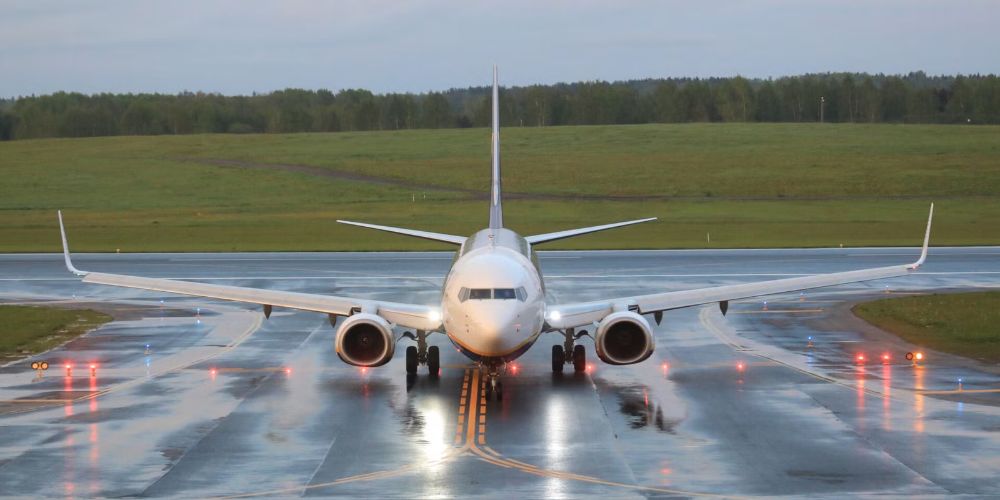
One common mistake when searching for the safest airline to fly is assuming that the U.S. government publishes a simple list ranking every airline from safest to least safe.
It does not.
U.S. commercial airlines must meet strict federal safety requirements before and during operation. These requirements cover areas such as:
Aircraft maintenance
Pilot qualifications
Crew training
Operational procedures
Safety management
Aircraft certification
Emergency procedures
Airline oversight
Because every major U.S. commercial carrier operates under extensive regulatory requirements, the differences between airlines can be much smaller than a simple ranking might suggest.
How Are Airline Safety Rankings Calculated?
There is no single worldwide formula for airline safety rankings.
Different organizations can use different criteria. Common factors include:
Accident and incident history
Number of flights operated
Fleet age
Aircraft types
Pilot training
Safety audits
Operational standards
Safety management systems
Serious incident history
Turbulence-management procedures
This is why two safety rankings can sometimes produce different results.
A ranking number should therefore be considered alongside the methodology used to create it.
Is Flying in the USA Safe?
Yes. Commercial aviation is one of the safest forms of long-distance transportation.
Worldwide commercial airlines operated tens of millions of flights in 2025, while the number of accidents remained extremely small compared with total flight activity.
Modern aircraft also benefit from advanced navigation systems, improved weather information, sophisticated flight controls, better maintenance technology, and extensive pilot training.
This is why travelers should not judge an airline's safety solely from a single accident or news story.
What Is the Safest Aircraft?
There is no single aircraft that can officially be called the safest aircraft in the world.
However, several modern commercial aircraft have accumulated strong safety records over millions of flights.
Some aircraft frequently discussed for their modern safety records include:
Boeing 787 Dreamliner
Airbus A350
Boeing 777
Airbus A330
Airbus A320 family
Boeing 737 family
Modern aircraft are designed with multiple layers of redundancy and advanced systems to help crews manage technical problems.
However, the aircraft model is only one part of aviation safety. Maintenance, pilot training, airline procedures, air traffic control, airport infrastructure, and weather conditions also matter.
Boeing 787 vs. Airbus A350
The Boeing 787 and Airbus A350 are two of the most modern long-haul passenger aircraft.
Both feature advanced flight systems, modern engines, composite materials, and highly developed cockpit technology.
The Boeing 787 has accumulated a strong operational safety record, while the Airbus A350 has also built an impressive record since entering commercial service.
Because the A350 entered service much later than many older aircraft, its total number of flights is smaller. That means direct comparisons based only on accident statistics can be misleading.
What Are the Least Safe Airlines?
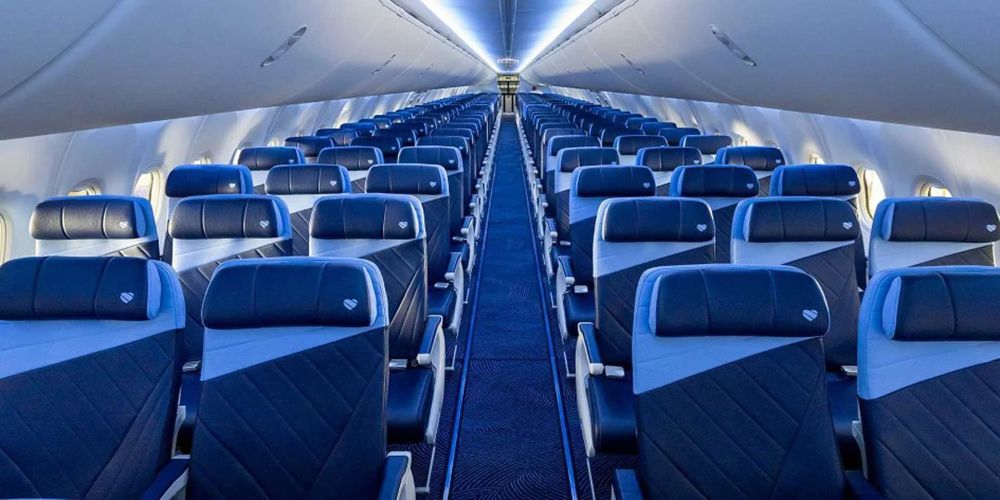
Searches for least safe airlines often produce long lists of airlines supposedly ranked from worst to best.
These lists should be treated carefully.
There is no universally accepted list of the least safe airlines in the United States. An airline being absent from a top safety ranking does not automatically mean that it is dangerous.
Historical accident numbers can also be misleading because airlines have operated for different lengths of time and completed vastly different numbers of flights.
For example, an airline that has operated for 70 years will naturally have a different historical record from one that began operating 10 or 20 years ago.
A better comparison looks at recent safety performance relative to the number of flights operated.
What Are the Most Dangerous Airlines in the World?
There is also no universally accepted answer to “What are the most dangerous airlines in the world?”
Different rankings use different measurements, time periods, and criteria.
A list based only on the number of historical accidents can give a distorted picture because it does not necessarily account for:
Total number of flights
Passenger numbers
Years of operation
Changes in airline management
Improvements in aircraft technology
Changes in safety regulations
Recent safety performance
For this reason, travelers should be cautious about sensational “most dangerous airlines” lists that do not explain how their rankings were calculated.
United Airlines Pilot Forum: Can You Trust It for Safety Information?
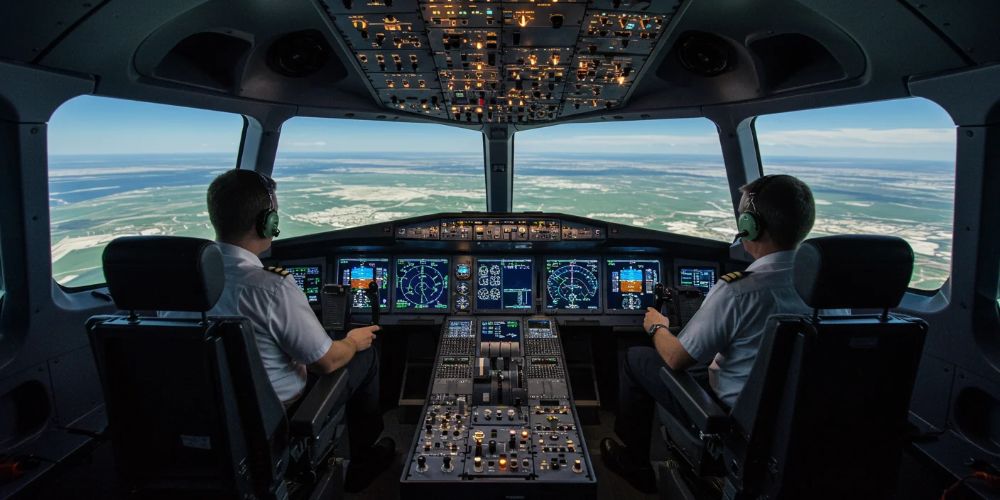
Travelers sometimes search for a United Airlines pilot forum to find opinions from pilots and aviation professionals.
Pilot forums can be interesting because pilots may discuss subjects such as training, aircraft operations, scheduling, maintenance, and workplace experiences.
However, forum comments should not be treated as official airline safety statistics.
One pilot's experience may provide useful insight, but it does not represent the complete operational record of an airline.
For reliable safety information, travelers should look at broader data such as accident history, regulatory records, safety audits, and operational statistics.
Which Airline Is the Safest?
So, which airline is the safest?
For U.S. travelers in 2026, the answer depends on the category being considered:
Alaska Airlines — highest-ranked U.S. full-service airline
Southwest Airlines — highest-ranked U.S. low-cost airline
JetBlue Airways — highly ranked U.S. low-cost carrier
Delta Air Lines — highly ranked U.S. full-service carrier
American Airlines — highly ranked U.S. full-service carrier
These rankings should be used as one point of reference rather than a guarantee that one airline is safer than every other carrier.
Safest U.S. Airports
Airline safety is only part of the journey. The airport you use also plays an important role.
Airport safety involves areas such as:
Runway design
Runway lighting
Air traffic control
Ground operations
Wildlife management
Emergency response
Firefighting capability
Runway incursion prevention
There is no single official ranking that identifies the safest US airports for every traveler.
Large airports often have sophisticated infrastructure and extensive emergency resources, but airport safety can also depend on traffic levels, weather, runway configuration, and local operating conditions.
Airline Safety vs. Airport Security
It is easy to confuse these two terms.
Airline Safety | Airport Security |
|---|---|
Aircraft maintenance | Passenger screening |
Pilot training | Baggage screening |
Flight operations | Security checkpoints |
Emergency procedures | Prohibited-item detection |
Aircraft systems | Protection against intentional threats |
Air traffic operations | Airport security procedures |
Both are important, but they address different types of risk.
How to Choose a Safe Airline
If safety is your main concern when booking a flight, use these steps:
Check recent safety data: Look at recent accident and serious incident information rather than relying only on an airline's entire historical record.
Compare independent rankings: Check more than one reputable ranking and see what methodology each organization uses.
Consider regulatory oversight: U.S. commercial airlines operate under strict federal safety requirements, including rules covering aircraft, pilots, maintenance, and airline operations.
Look at the aircraft: Modern aircraft such as the Boeing 787 and Airbus A350 have strong operational records, although aircraft type alone does not determine safety.
Don't confuse service with safety: A delayed flight, uncomfortable seat, poor meal, or lost bag can make an airline frustrating to use, but these issues are different from aviation safety.
Follow the safety briefing: Once onboard, listen to the crew's safety briefing and check the location of the nearest emergency exit.
Final Takeaway
If you want a straightforward answer, Alaska Airlines is the highest-ranked U.S. full-service airline in the 2026 safety ranking, while Southwest Airlines leads U.S. low-cost carriers in its category.
Delta, American, and JetBlue also rank highly in their respective categories.
However, there is no official single “safest airline in USA” title. Airline safety rankings use different methods, and the difference between highly ranked carriers can be relatively small.
For travelers, the best approach is to consider recent safety performance, regulatory oversight, aircraft history, pilot training, maintenance standards, and operational procedures rather than relying on one ranking alone.