Anchorage is Alaska's gateway city, and the best trips here combine a few city highlights with outdoor days that need real planning: daylight changes from about 20 hours in summer to about 5.5 hours in winter, and the best day trips depend on tunnel schedules, tides, and salmon runs.
This Anchorage Alaska travel guide covers where to go in every season, with 2026 prices, distances, and hours, plus itineraries for one day and four days, family, budget, senior, and safety advice.
Where Is Anchorage, and Is It the Best Place to Visit in Alaska?
Anchorage is Alaska's largest city, set on Cook Inlet in southcentral Alaska, and it is the best base for most first-time visitors because glaciers, wildlife, hiking, and Denali views all sit within a day's reach. The municipality covers nearly 2,000 square miles, larger than Rhode Island, and holds nearly 300,000 residents alongside roughly 1,500 moose. On a clear day, Denali is visible from town, about 130 miles to the north. Whether Anchorage is the best place to visit in Alaska depends on your priorities: Seward is better for glacier cruises, Talkeetna and Denali for mountain scenery, and Fairbanks for deep-winter aurora. Anchorage wins on logistics, because most towns in the region are two to four hours apart and nearly every southcentral destination is reachable by road or rail. Choosing Anchorage as a hub keeps drive times manageable and lets you swap activities when weather changes.
Which Alaska Destination Fits Your Interests?
Interest | Best Base | Distance From Anchorage | Notes |
|---|---|---|---|
Glaciers and marine wildlife | Seward | About 125 miles, 2.5–3 hours | Kenai Fjords day cruises |
Fjords with a tunnel adventure | Whittier | About 60 miles, 1.25–1.5 hours | Tunnel toll applies |
Mountain views, small-town Alaska | Talkeetna | About 115 miles, 2.5 hours | Denali views, flightseeing |
Alpine tundra and gold-mining history | Hatcher Pass | About 60 miles, 1.5 hours | Independence Mine |
City access plus hiking | Anchorage | — | Chugach State Park, Coastal Trail |
What Is the Best Time to Visit Anchorage?
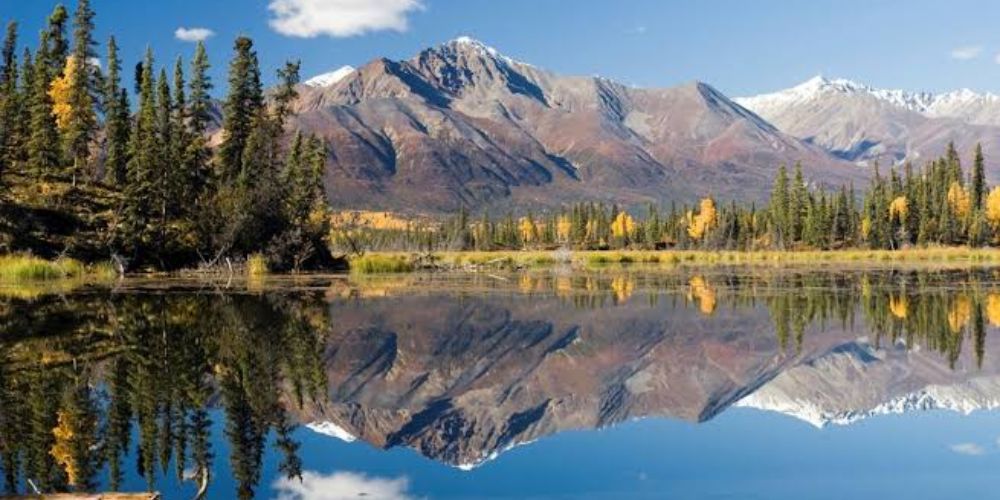
June through August is the best time to visit Anchorage for hiking, wildlife, and long days, while September offers fewer crowds and the first reliable northern lights. Summer highs average about 66°F (19°C) with up to 20 hours of daylight near the solstice, and the season coincides with peak cruise traffic, so hotels cost more and book out. Shoulder months have trade-offs: April, May, October, and November offer the best hotel rates, and winter rates fall 30 to 50 percent below summer, but December brings only about 5.5 hours of daylight. Northern lights are visible from about September 15 through April 15, with February and March considered peak, though the aurora is rarely visible in midsummer because skies do not get dark enough. Trails at lower elevations are typically clear of snow by May, and mountain routes by early June. Plan the season around your top priority rather than trying to cover everything.
Anchorage by Season
Season | Typical Highs | Daylight | Best For | Trade-Off |
|---|---|---|---|---|
Summer (Jun–Aug) | About 63–66°F | Up to about 20 hours | Hiking, wildlife, salmon, festivals | Peak prices and crowds |
Fall (Sep–Oct) | About 40°F by October | About 10 hours in October | Fewer crowds, aurora from mid-September | Early snow possible |
Winter (Nov–Feb) | About 22–27°F | About 5.5 hours in January | Skiing, aurora, Fur Rondy | Short days, cold |
Spring (Mar–May) | About 35°F in March, 44°F in April | About 12 hours in March | Iditarod start, low hotel rates | Muddy trails, unpredictable weather |
What Is Anchorage Like in Summer?
Summer in Anchorage means up to 20 hours of daylight around the June solstice, highs near 66°F (19°C), and the city's busiest season for tourists, trails, and salmon. Salmon runs define the summer calendar: Ship Creek's hatchery-seeded king run runs from late May into July, and coho follow from August into mid-September. The Alaska Native Heritage Center is open daily from May 10 through September 13 in 2026, and the Alaska State Fair in Palmer, about 45 minutes away, runs from late August through Labor Day and draws more than 300,000 people. Because summer overlaps with cruise season, book hotels and rental cars early, and expect midday crowds at popular stops between Anchorage and Seward. Pack layers even in July, since summer evenings can turn chilly, and bring a rain jacket. Many visitors pair one city day with a day trip, because evenings stay light late and long drives feel less rushed.
What Are the Best Things to Do in Anchorage in Summer?
Activity | Cost (2026) | Notes |
|---|---|---|
Ship Creek salmon viewing | Free | Kings late May–July; coho August–mid-September |
Tony Knowles Coastal Trail | Free | 11 miles, moose country, bike rentals downtown |
Flattop Mountain hike | $5 parking or $60 annual pass | 3.4 miles round trip, 1,350 feet of gain |
Alaska Native Heritage Center | $27 general, $22 youth | Open daily May 10–September 13 |
Anchorage Museum | $25 adults, $12 ages 6–12 | Art, history, Arctic science |
Alaska Botanical Garden | $14 adults, $10 seniors and students | Garden walks |
What Are the Best Winter Activities in Anchorage?
The best winter activities in Anchorage are skiing at Alyeska Resort, Nordic skiing at Kincaid Park, northern lights watching, and the February Fur Rendezvous and March Iditarod start. Alyeska, Alaska's largest ski resort, sits about 40 miles away in Girdwood and typically runs from late November to mid-April, with night skiing on weekends. Most of Anchorage's 135 miles of paved trails are groomed in winter, so fat-bike riders and cross-country skiers can use the Coastal Trail. Fur Rendezvous, a February festival running since 1935, features sled dog racing, a carnival, and the Running of the Reindeer. The Iditarod's ceremonial start travels through downtown on 4th Avenue on the first Saturday of March, which is March 6 in 2027, and watching from the sidewalk is free. Expect about 5.5 hours of daylight at the December solstice, January highs near 22°F (−6°C), and winter hotel rates 30 to 50 percent below summer.
Winter in Anchorage: Events and Activities
Activity or Event | Timing | Notes |
|---|---|---|
Alyeska Resort skiing | Late November–mid-April | About 40 miles from Anchorage |
Northern lights | About September 15–April 15 | Peak February–March |
Fur Rendezvous | February | Sled dog races, carnival, reindeer run |
Iditarod ceremonial start | First Saturday of March (March 6, 2027) | Free to watch on 4th Avenue |
Kincaid Park Nordic skiing | Winter | Groomed trail network |
Fat biking on paved trails | Winter | Most of 135 miles groomed |
Which Are the Best Hiking Trails in Anchorage?
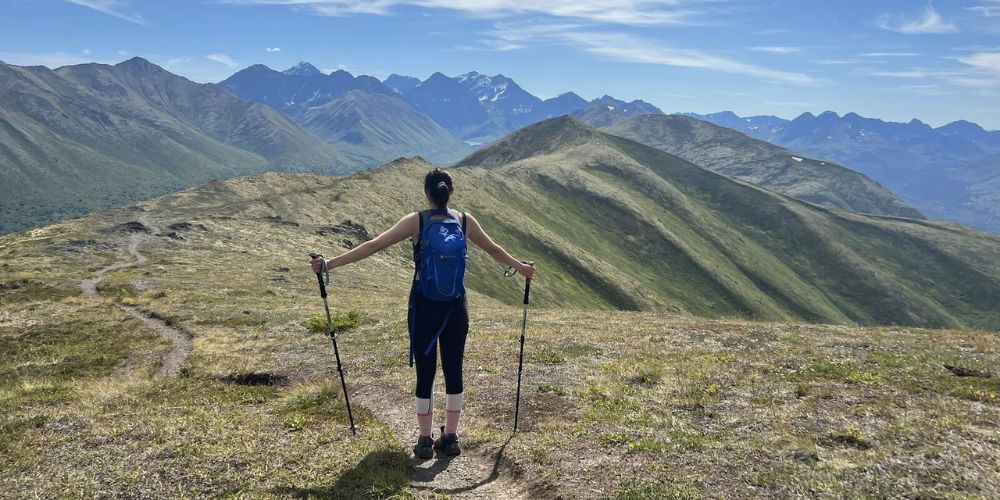
The best hiking trails in Anchorage begin at the Glen Alps trailhead in Chugach State Park, where Flattop Mountain, a 3.4-mile round trip with 1,350 feet of gain, is the most-climbed peak in Alaska. The summit stands at 3,510 feet and shows Anchorage, Cook Inlet, and Denali on clear days, about 30 minutes from downtown. Parking at Glen Alps and Upper Huffman costs $5 per day or $60 for an annual state parks pass, and no trail permits are required. Chugach State Park holds more than 250 miles of maintained trails, so easier alternatives are plentiful: Thunderbird Falls is a short family hike of roughly two miles, Rabbit Lake is an 8.8-mile round trip to an alpine lake, and Powerline Pass follows a wide, mostly flat valley where turning back at four miles still delivers big views. Snow can linger on Flattop into early summer, so check conditions, and carry bear spray on every Chugach trail.
Anchorage Hiking Trails Compared
Trail | Round Trip | Elevation Gain | Difficulty | Best For |
|---|---|---|---|---|
Flattop Mountain | 3.4 miles | 1,350 feet | Moderate to hard | Summit views, first-time hikers |
Thunderbird Falls | About 2 miles | About 200 feet | Easy | Families, waterfall |
Rabbit Lake | 8.8 miles | 1,300 feet | Moderate | Alpine lake, summer swimming |
Powerline Pass | Turn back anywhere | Gentle | Easy to moderate | Wide valley, flexible length |
Tony Knowles Coastal Trail | 11 miles one way | Flat | Easy | Biking, moose and skyline views |
What Are the Best Day Trips From Anchorage by Car?
The best day trips from Anchorage by car are Girdwood (40 miles), Whittier (60 miles), Hatcher Pass (60 miles), Talkeetna (115 miles), and Seward (125 miles), and a rental car is essential because Anchorage's public transit reaches none of them. Girdwood and Whittier suit half days, while Hatcher Pass suits a full day of alpine tundra and gold-mining history at Independence Mine. Talkeetna and Seward are full-day trips, and leaving Anchorage by 7 or 8 a.m. gives you time at the destination before the drive back. A 7 a.m. departure reaches Seward in time for a 10 a.m. or noon Kenai Fjords cruise, and most day cruises last four to six hours. Cell service is intermittent south of Girdwood on the Seward Highway and nonexistent in much of the backcountry, so download maps first. If you would rather not drive, the Alaska Railroad serves Seward and Talkeetna.
Day Trips From Anchorage Compared
Destination | Distance | Drive Time | Highlights |
|---|---|---|---|
Girdwood | About 40 miles | About 1 hour | Alyeska tram, hiking, dining |
Whittier | About 60 miles | About 1.25–1.5 hours | Prince William Sound, glaciers, tunnel |
Hatcher Pass | About 60 miles | About 1.5 hours | Alpine trails, Independence Mine |
Talkeetna | About 115 miles | About 2.5 hours | Denali views, flightseeing |
Seward | About 125 miles | 2.5–3 hours | Kenai Fjords cruises, Alaska SeaLife Center, Exit Glacier |
How Does the Whittier Tunnel Day Trip Work?
Check the Anton Anderson Memorial Tunnel schedule before leaving Anchorage, since its single lane alternates direction and is shared with trains
Budget about 60 miles and roughly 1 hour 15 minutes, plus tunnel queuing that can add 5 to 30 minutes
Expect a toll of about $13 per vehicle each way in 2026, and confirm the current rate
Spend the day on a Prince William Sound glacier or wildlife cruise, or walking Whittier's harbor
Plan your return around the last scheduled tunnel opening so you are not stranded
How Do You Plan an Anchorage Trip With Wildlife Viewing?
The best way to plan an Anchorage trip with wildlife viewing is to combine free stops along the Seward Highway with one guaranteed-sighting stop, the Alaska Wildlife Conservation Center at Mile 79. The nonprofit rescue center sits about 45 to 50 minutes south, and its 1.5-mile drive-through loop passes moose, bison, bears, and caribou, which suits rainy days and mobility limits. Free stops add variety: Potter Marsh has a 1,550-foot boardwalk where moose feed in May and June and salmon spawn from May to August, while Beluga Point at Mile 110 offers the best shore-based beluga viewing from late May through August, especially on an incoming tide. Time your drive with the bore tide, which reaches Bird Point about 2 hours 15 minutes after low tide in Anchorage and is strongest two to three days after a new or full moon. Leave early, since tour buses crowd popular pullouts at midday in summer.
Anchorage Wildlife Calendar
Wildlife | Where | Best Time |
|---|---|---|
Beluga whales | Beluga Point, Mile 110 | Late May–August, incoming tide |
Moose | Potter Marsh, Coastal Trail | May–June at Potter Marsh; spring and fall on trails |
King salmon | Ship Creek | Late May–July |
Coho salmon | Ship Creek | August–mid-September |
Pink salmon | Indian Creek | July–August |
Bald eagles | Potter Marsh, Ship Creek | Near-daily; fall concentrations |
Bears, moose, bison, caribou | Alaska Wildlife Conservation Center | Year-round |
What Are the Best Family Activities in Anchorage?
The best family activities in Anchorage are the Alaska Zoo, the Anchorage Museum's Imaginarium Discovery Center, the Alaska Native Heritage Center, and the Alaska Wildlife Conservation Center, plus free outdoor options like the Coastal Trail. The Alaska Zoo charges $25 for non-resident adults and $12 for children, with children under 2 free. The Imaginarium is included with Anchorage Museum admission of $25 for adults and $12 for ages 6 to 12, works best for ages 3 and up, and features an aurora simulator and tidal bore demonstration. The Alaska Native Heritage Center charges $27 general and $22 youth, with children under 3 free. The wildlife center's drive-through loop works for toddlers and rainy days alike. For a cheaper stop, the Alaska Museum of Science and Nature charges about $5 for adults and appeals to young fossil fans. Pair one paid attraction per day with a free outdoor stop to keep costs low.
Family Attractions in Anchorage Compared
Attraction | Cost (2026) | Best For |
|---|---|---|
Alaska Zoo | $25 adults, $12 kids, under 2 free | Arctic and subarctic animals |
Anchorage Museum and Imaginarium | $25 adults, $12 ages 6–12, under 6 free | Hands-on science, ages 3 and up |
Alaska Native Heritage Center | $27 general, $22 youth, under 3 free | Culture and summer programs |
Alaska Wildlife Conservation Center | About $25 adults, $15 ages 3–12 | Drive-through viewing in any weather |
Alaska Museum of Science and Nature | About $5 adults | Fossils and natural history |
Tony Knowles Coastal Trail | Free | Biking and moose-watching |
What Should You Do With One Day in Anchorage?
With one day in Anchorage, spend the morning at Ship Creek and the Anchorage Museum, bike the Tony Knowles Coastal Trail in the afternoon, and finish with a Cook Inlet view dinner or, in summer, an evening Flattop climb. Ship Creek's free salmon viewing runs from late May through summer, and the Anchorage Museum covers Alaska Native cultures, Arctic science, and art for about two to three hours at $25 for adults. The 11-mile Coastal Trail has bike rentals downtown and passes moose habitat and floatplane lakes. Summer's long daylight means Flattop, about 30 minutes from downtown, is realistic after dinner. In winter, replace the climb with northern lights watching and ask your hotel about aurora wake-up calls. This one-day plan covers what to do in Anchorage for a day without needing a rental car for most stops, although Flattop's trailhead does require one.
Anchorage in One Day: Summer Plan
8:30 a.m. — Watch salmon at Ship Creek (late May through summer)
10:00 a.m. — Explore the Anchorage Museum
1:00 p.m. — Lunch downtown, then rent a bike
2:30 p.m. — Ride the Tony Knowles Coastal Trail
6:30 p.m. — Dinner with Cook Inlet views
8:30 p.m. — Optional Flattop sunset hike with long summer daylight
How Do You Spend Four Days in Anchorage?
Four days in Anchorage works best as one city day, one hiking day, one major day trip, and one wildlife-and-culture day. Day one covers the Anchorage Museum and Coastal Trail, day two pairs a morning Flattop hike with the Alaska Zoo or Botanical Garden, and day three is a full day in Seward or Whittier. Seward suits wildlife and glacier cruises, Whittier suits shorter Prince William Sound trips, and Girdwood suits a half day with the Alyeska tram. Day four combines the Alaska Native Heritage Center with the Alaska Wildlife Conservation Center and stops at Potter Marsh and Beluga Point on the Seward Highway, so wildlife viewing fits around the route instead of adding drive time. In winter, swap the hikes for Alyeska skiing, Nordic trails, and aurora watching, and shift the day trip to Girdwood to avoid long drives in short daylight.
Four Days in Anchorage Itinerary
Day | Focus | Morning | Afternoon |
|---|---|---|---|
1 | Downtown and coast | Anchorage Museum | Tony Knowles Coastal Trail |
2 | Chugach hiking | Flattop Mountain | Alaska Zoo or Botanical Garden |
3 | Day trip | Drive to Seward or Whittier | Cruise or town time, return in evening |
4 | Culture and wildlife | Alaska Native Heritage Center | Alaska Wildlife Conservation Center, Potter Marsh |
How Can You Visit Anchorage on a Budget?
Visiting Anchorage on a budget works by pairing free outdoor attractions with discount museum days and traveling outside peak summer. The Tony Knowles Coastal Trail, Ship Creek salmon viewing, Earthquake Park, Lake Hood Seaplane Base, and Resolution Park's Captain Cook overlook cost nothing, and the Alaska Heritage Museum at Wells Fargo is free to enter. The Anchorage Museum offers free admission from 6 to 9 p.m. on the first Friday of each month and $5 admission on the third Thursday from October through April. A $60 annual state parks pass beats $5 daily parking if you hike more than twelve times, though most visitors simply pay the daily fee. April, May, October, and November have the best hotel rates, and winter rates fall 30 to 50 percent. Budget extras: the Whittier tunnel toll is about $13, and the Coastal Classic train is $133 for an adult.
Free and Low-Cost Anchorage Activities
Activity | Cost | Notes |
|---|---|---|
Tony Knowles Coastal Trail | Free | 11 miles, wildlife, skyline views |
Ship Creek salmon viewing | Free | Late May through summer |
Earthquake Park | Free | 1964 earthquake interpretive site |
Alaska Heritage Museum at Wells Fargo | Free | Alaska Native art and gold-rush artifacts |
Anchorage Museum, First Friday | Free, 6–9 p.m. | First Friday of each month |
Anchorage Museum, Third Thursday | $5 | October–April |
Glen Alps parking | $5 per day | Gateway to Flattop |
What Are the Best Alaska Trips for Seniors From Anchorage?
The best Alaska trips for seniors from Anchorage are low-walking experiences: the Coastal Classic train to Seward, the Alaska Wildlife Conservation Center's drive-through loop, the Anchorage Museum, and boardwalk wildlife viewing at Potter Marsh. The Alaska Railroad has wheelchair lifts at all stations and every passenger train is wheelchair accessible. The Coastal Classic takes about four hours each way and costs $133 for an adult in Adventure Class or $289 in GoldStar dome service, which includes breakfast and drinks; the 2026 season ended September 13, and 2027 runs May 14 to September 12. Senior discounts help: the Anchorage Museum charges $23 for ages 65 and up, the Alaska Zoo $16, and the Alaska Botanical Garden $10. Skip Flattop's upper section, which ends in a scramble, and choose Thunderbird Falls or Potter Marsh's 1,550-foot boardwalk instead.
Is Anchorage Safe for Tourists?
Anchorage is safe for tourists in downtown, Midtown, South Anchorage, and on main trails, but visitors should plan for wildlife, tides, and property crime rather than street violence. Crime statistics vary by source: one 2026 safety guide ranks Anchorage in the top 10 percent nationally for violent crime, yet notes that tourists who stick to main attractions and organized tours generally have safe trips. The most common problems are crimes of opportunity, such as items stolen from parked vehicles, and downtown has a visible homeless population. Avoid isolated parks and side streets after dark. Wildlife is the larger daily hazard: roughly 1,500 moose live within city limits, and a cow with calves will charge without warning. The Turnagain Arm and Knik Arm mudflats behave like quicksand, and the incoming tide moves at over 10 miles per hour, so stay on shore. Carry bear spray on every Chugach State Park hike.
How Do You Stay Safe Around Moose, Bears, and Tides?
Carry bear spray on every hike, even short trails near town, and make noise to avoid surprising bears
Give moose wide space and never approach a cow with calves
Never walk onto the Turnagain Arm or Knik Arm mudflats, even when they look dry
Keep valuables out of sight in parked vehicles
Stay on well-lit main streets after dark and avoid isolated parks
Conclusion:
Yes, Anchorage is worth visiting for travelers who want wilderness without a remote-lodge budget, since glaciers, belugas, salmon runs, and mountain trails sit within a day of town. The best itinerary pairs two or three city stops, such as the Anchorage Museum and Coastal Trail, with one hike and one day trip, using Seward for glaciers, Whittier for fjords, or Hatcher Pass for alpine views. Summer gives you the longest days and widest choice, while winter trades daylight for skiing, Fur Rondy, the Iditarod start, and aurora. Families, budget travelers, and seniors all have good options, from free trails to the wheelchair-accessible Coastal Classic train. Book hotels and rental cars early for summer, carry bear spray, check the Whittier tunnel schedule, and confirm prices, since 2026 rates and hours can change before your trip.