Sharjah
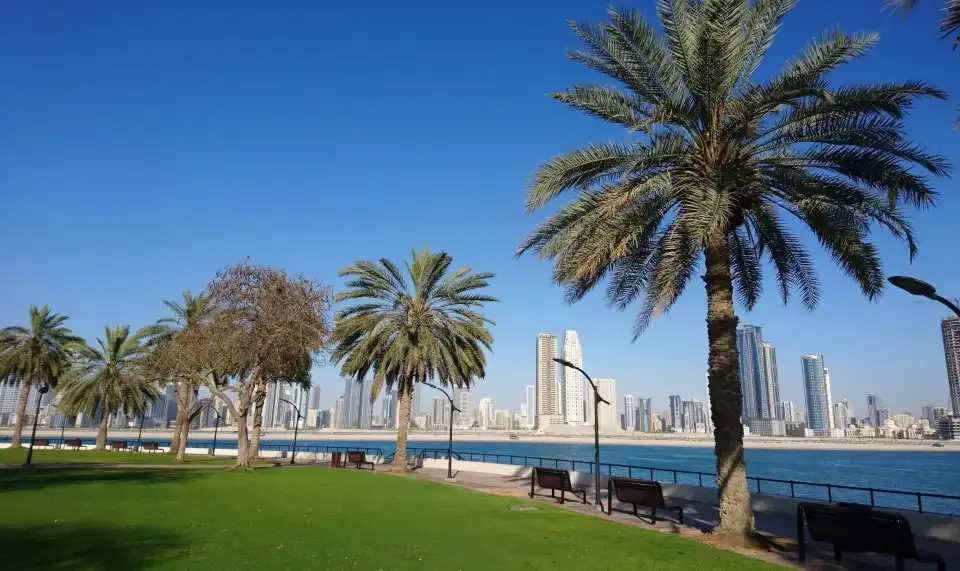
Sharjah is recognized as the cultural capital of the United Arab Emirates and captivates visitors with meticulously preserved heritage areas, museums, and stunning art displays. Sharjah lets travelers stroll through the vibrant corridors of the traditional Blue Souk, admire the intricate architecture of the Al Noor Mosque, and explore the restored Heart of Sharjah district. Sharjah stands as a wonderful destination to uncover Sharjah's authentic regional heritage and top cultural attractions.
Weather Forecast
The best time to visit Sharjah is during the winter months from November to March, when temperatures range from a pleasant 18°C to 28°C.
Nov–MarSharjah’s summer temperatures can exceed 45°C. Stay hydrated, carry water, and limit outdoor activities during the hottest part of the day
Updated by TripconomyQuick Facts






Sharjah Through Eyes
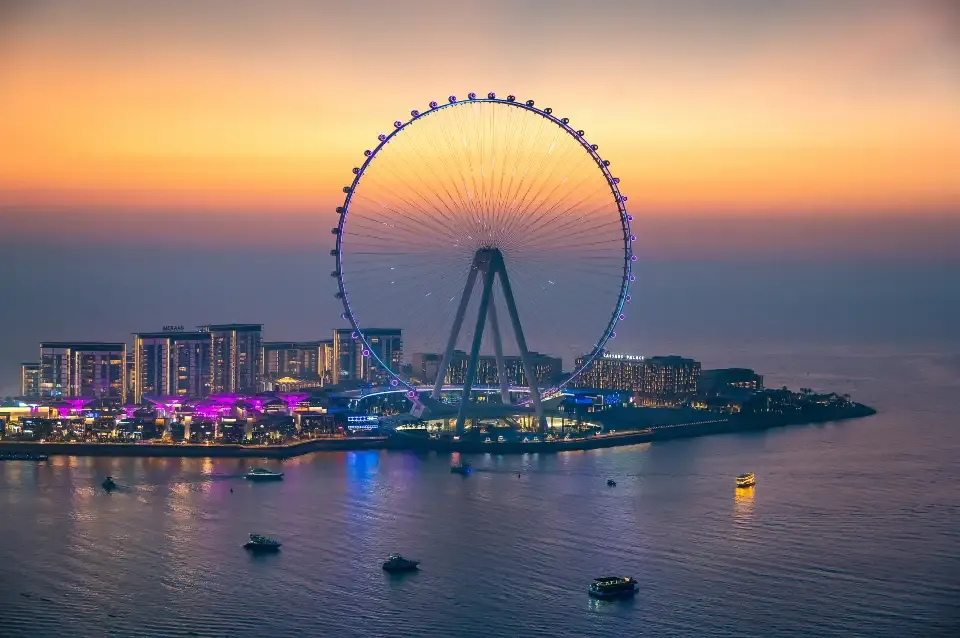
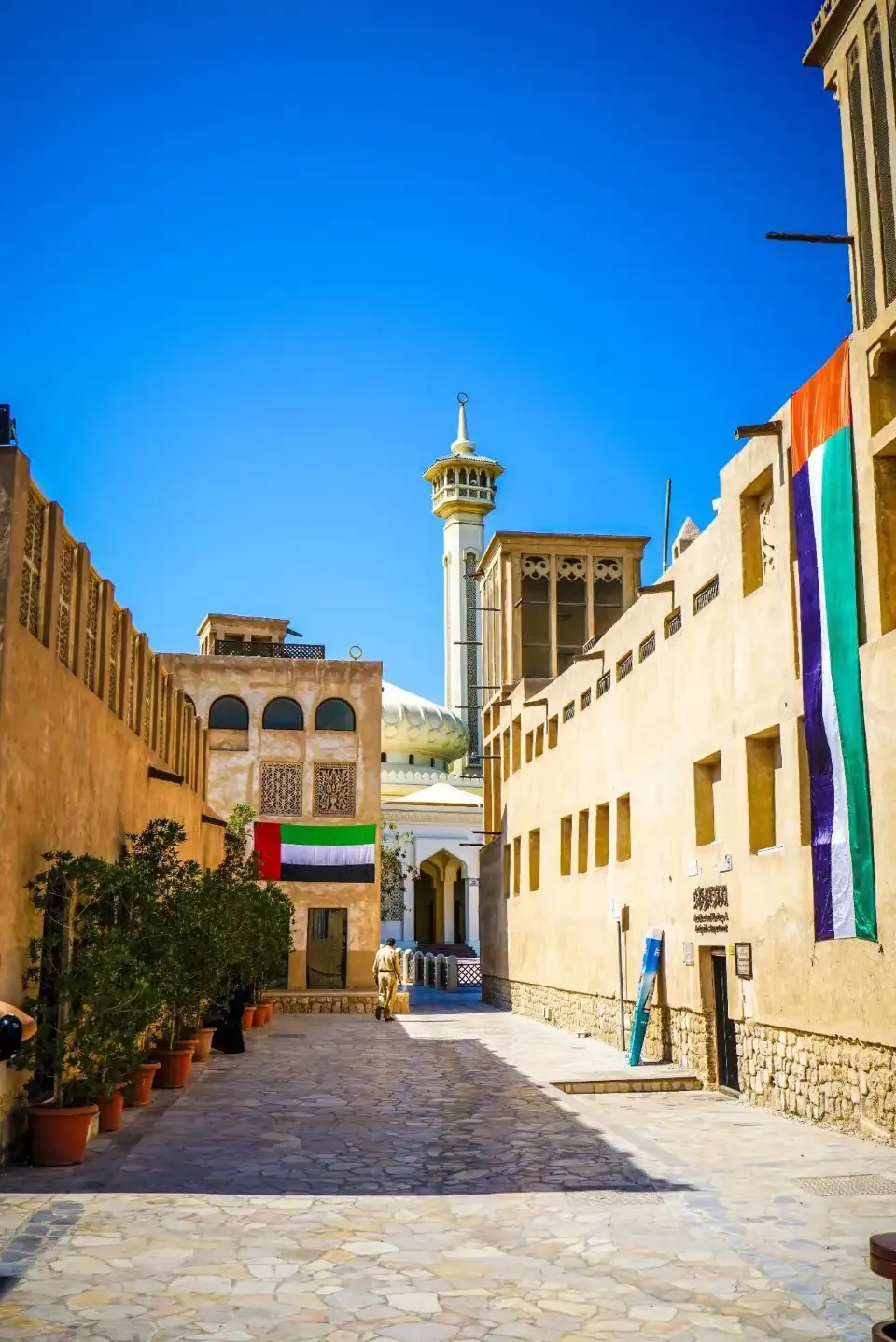
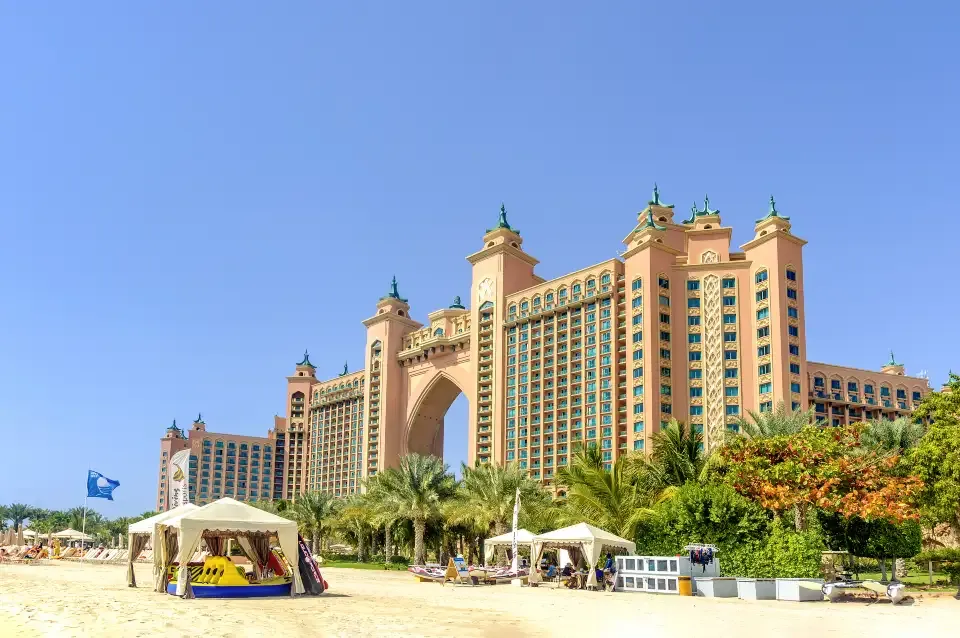
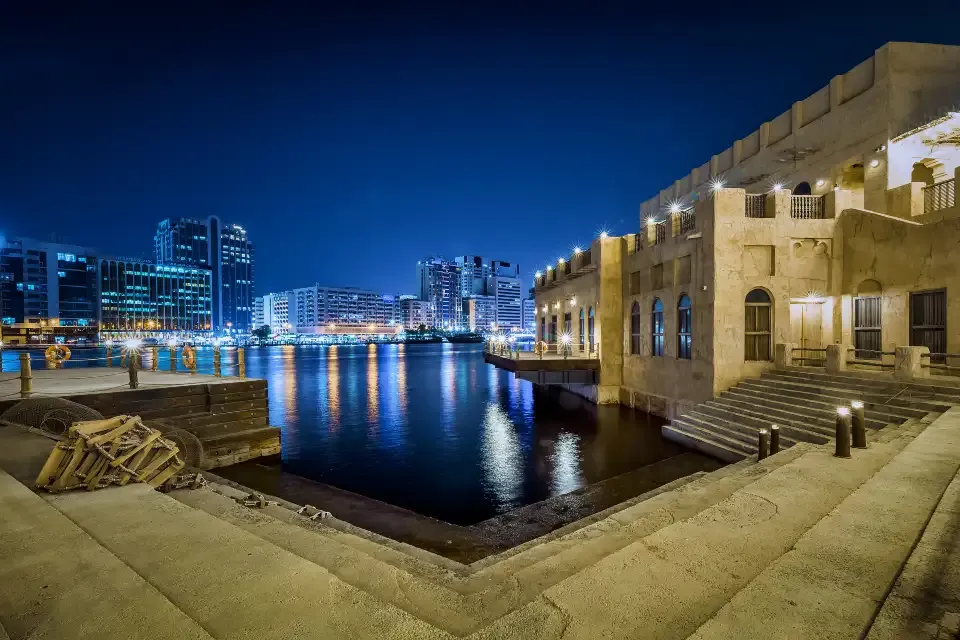
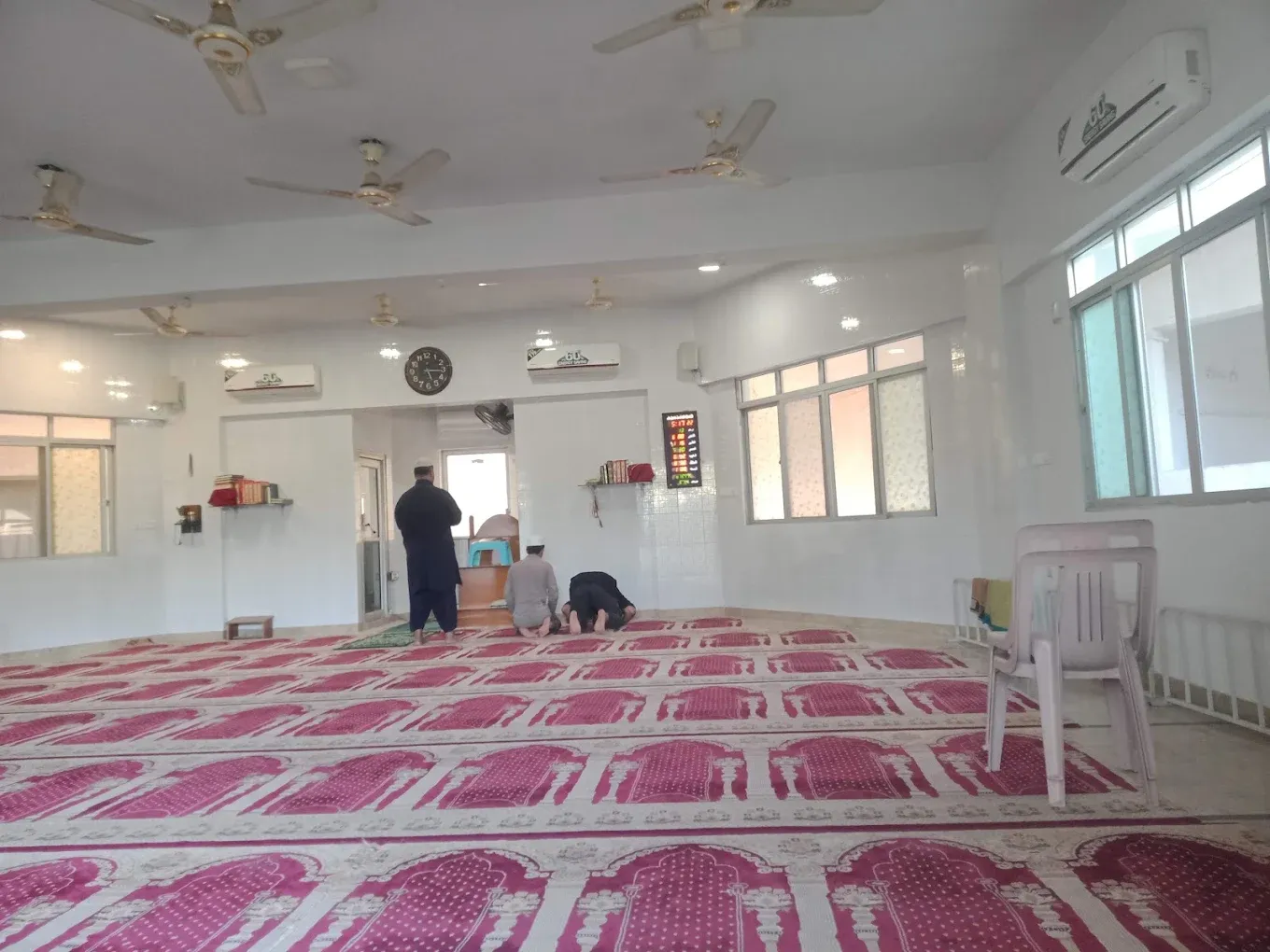
See Sharjah through quick reels from local experts, creators, and travelers. Slide through temples, islands, food streets, skylines, mountains, and hidden corners.
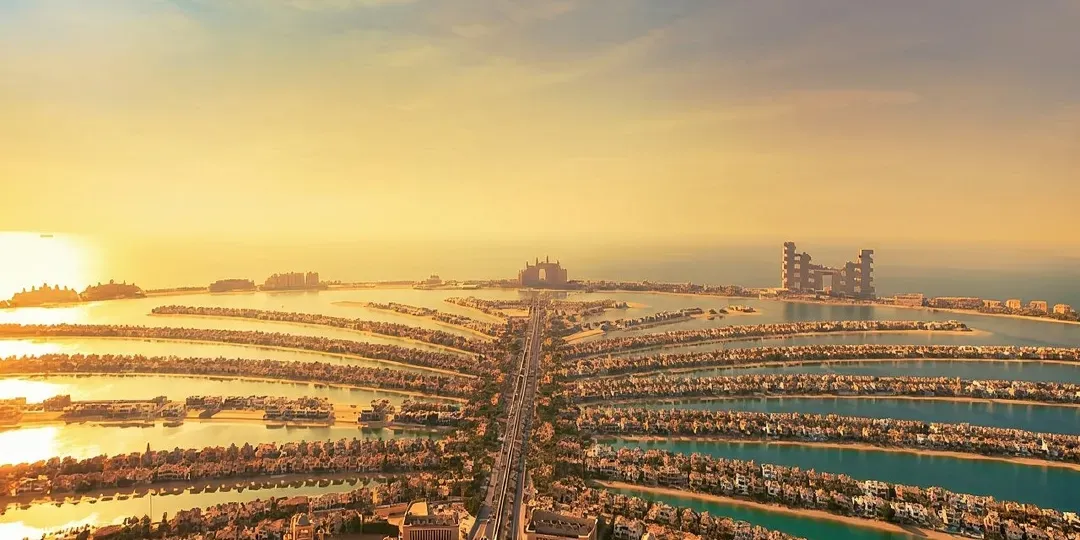

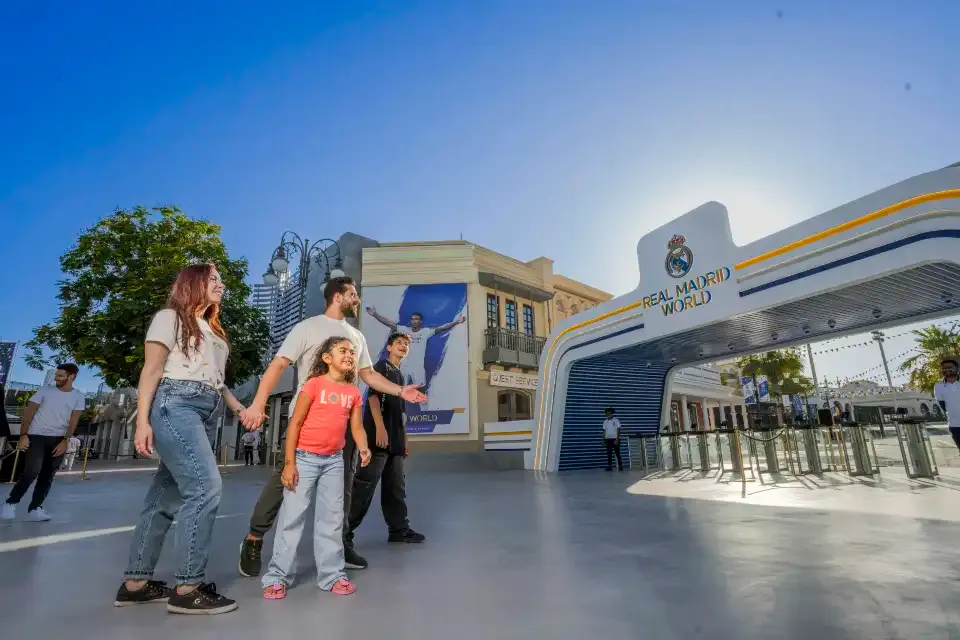
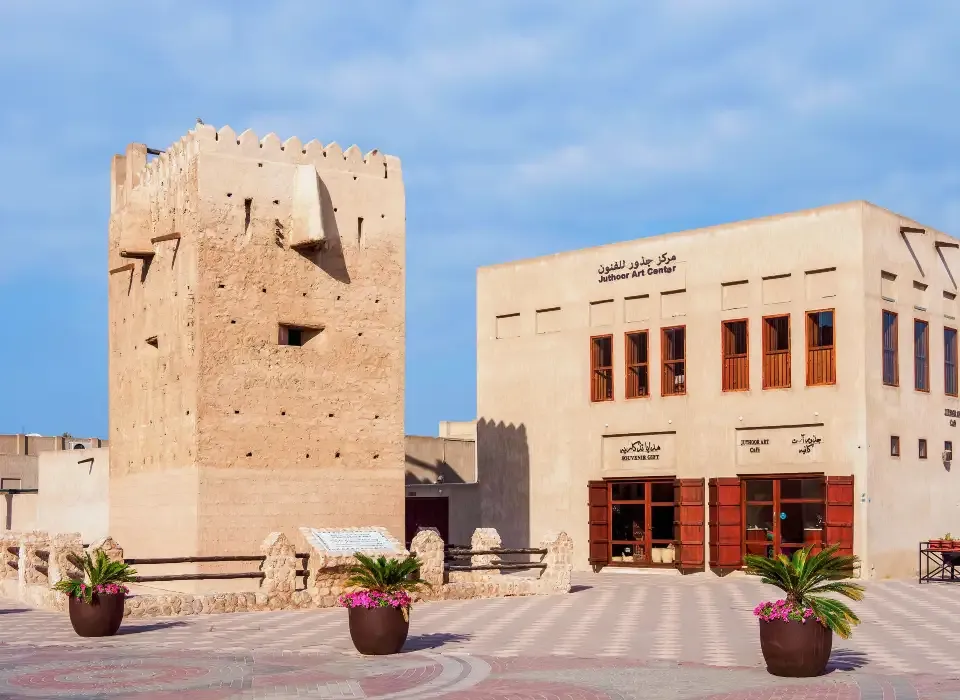
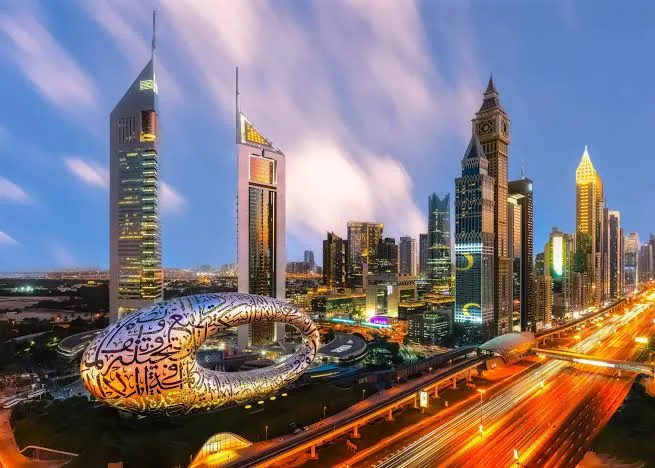
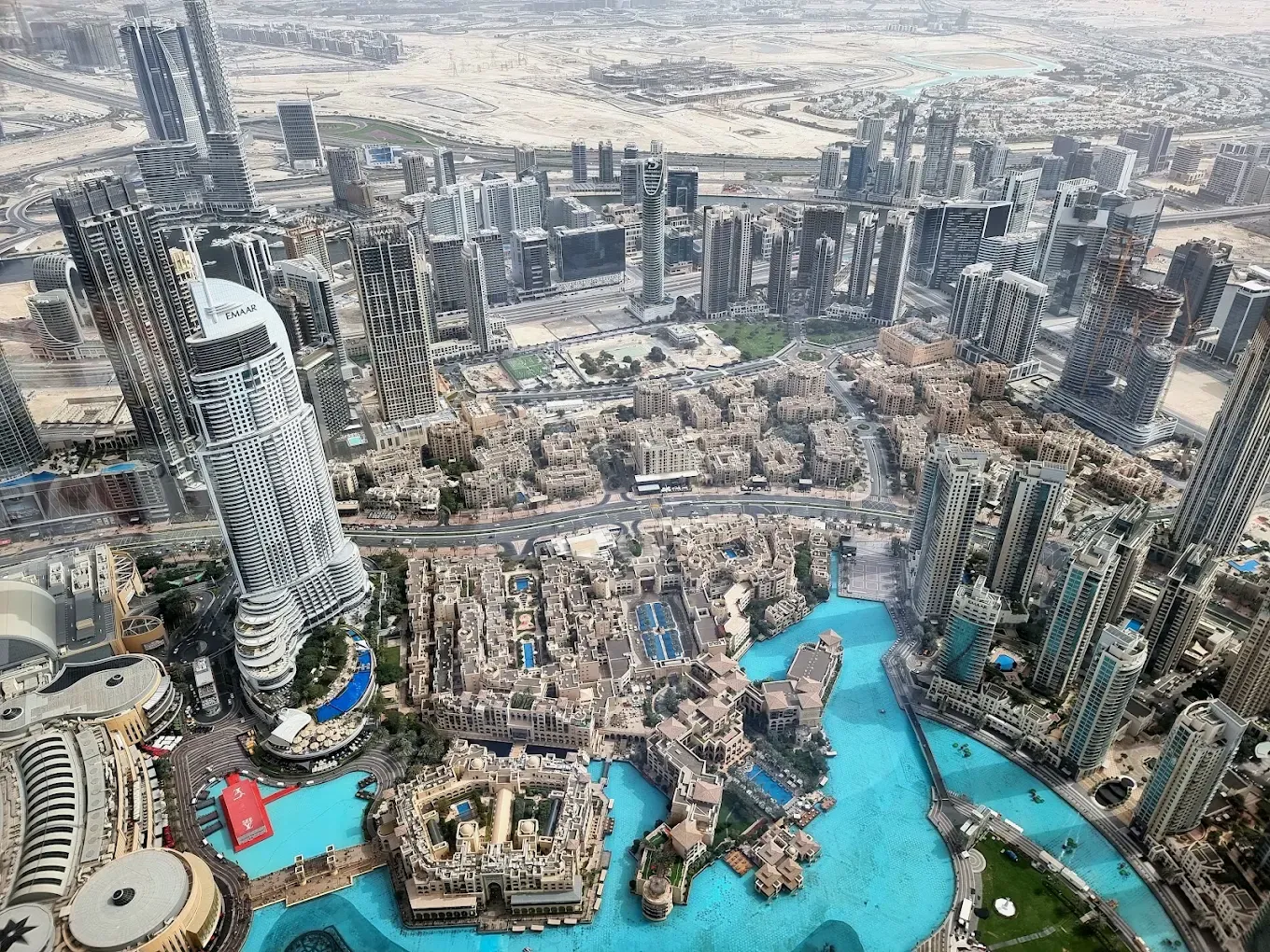


Other Cities Near Sharjah

Emergency help in Sharjah
Instant access to local emergency numbers, nearby hospital maps, useful translated phrases, and a practical safety checklist — all in one quick support panel.
- Police: 999 — Crime, threat, public safety issue
- Tourist Police: 901 — Tourist assistance and non-critical help
- Ambulance: 998 — Medical emergency or urgent injury
- Fire Department: 997 — Fire, smoke, rescue, trapped person
- Coast Guard: 996 — Sea rescue, beach or water emergency
- Hotel / Local Help: +971 4 000 0000 — Custom admin or hotel contact
- Hello — مرحبًا (Mar-ha-ban)
- Thank You — شكرًا لكم (shook-ran)
- Good Bye — مع السلامة (Ma-a as-sa-la-ma)
- Help — النجدة (an-naj-dah)
- I am lost v — أنا تائه (Ana ta'eh)
- Call the police — تتصل بالشرطة (tat-ta-sil bil-shur-ta)
- What should I do first in a serious emergency?
- Move to a safe place, call the local emergency number, and share your exact location. Stay on the line until told otherwise.
- What details should I tell emergency services?
- Your location, what happened, how many people are affected, and any injuries. Speak slowly and repeat the address.
- What if I do not speak the local language?
- Use the phrase table on this page, or ask for an English-speaking operator; most emergency lines can transfer you.
- When should I contact my embassy?
- For a lost passport, arrest, hospitalisation, or if you need emergency travel documents.
- What should I keep after a medical emergency?
- Every receipt, the discharge summary, and the police or incident report.
Suggest edits to improve what we show.