Miami Visitors Guide, Unlocking the Magic City
There is no city in America quite like Miami. It hits you all at once: the turquoise water, the Art Deco pastels, the smell of Cuban coffee drifting from a ventanita window, the thrum of bass from somewhere you can't quite locate. It is glamorous and gritty, ancient and ultra-modern, deeply Latin and unmistakably American. And according to the Greater Miami Convention & Visitors Bureau, it welcomed 28.3 million visitors in 2025, generating a $32.2 billion economic impact numbers that tell you this city is doing something very, very right.
Whether you're arriving for the first time or returning for the fifth, this Miami visitors guide covers the full picture: what makes the Magic City tick, when to arrive, where to stay in Miami for the first time, how to see it in a day, the best day trips from Miami, safety tips, and the places where great photos and even better memories happen.
Why Miami Is So Popular, The Magic City Explained
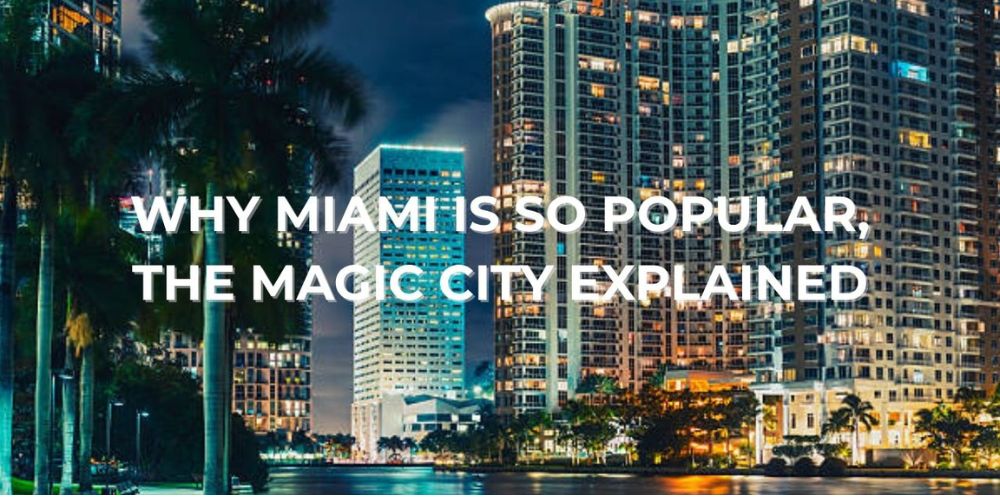
Understanding why Miami is so popular starts with geography. Miami sits at the crossroads of the Americas, a subtropical peninsular city backed by the Everglades and facing the Caribbean. Its climate is warm year-round, its beaches are world-famous, and its cultural makeup is unlike anything else in the continental United States.
Here are a few fast facts about Miami that put its appeal in perspective:
Miami is home to the largest Cuban community outside Cuba
Over 70% of Miami residents speak a language other than English at home
It hosts Art Basel Miami Beach, one of the most important contemporary art fairs in the world
The city has more than 800 miles of navigable waterways
Miami Beach's Ocean Drive has the highest concentration of Art Deco architecture on Earth
Why is Miami so popular? Because it offers something every type of traveler wants: world-class beaches, vibrant nightlife, extraordinary food, rich Latino culture, designer shopping, and subtropical nature all compressed into a city you can navigate in a weekend.
Miami quick facts for visitors:
Category | Details |
Nickname | The Magic City |
Population (Miami-Dade) | ~2.7 million |
Language | English and Spanish (bilingual city) |
Airport | Miami International (MIA), Fort Lauderdale (FLL) |
Best known for | Beaches, Art Deco, nightlife, Latin culture, food |
UNESCO recognition | Miami Beach Art Deco Historic District |
Visitors per year (2025) | 28.3 million |
When to Visit Miami: Choosing the Right Season
Timing matters enormously in Miami. The city's subtropical climate creates two distinct seasons: a dry winter season and a wet, steamy summer, and knowing the difference shapes your entire trip.
Best Time to Go to Miami Beach: November Through April
The best time to visit Miami is between November and April, when temperatures sit comfortably between 65°F and 80°F, rainfall is low, and the sky is the kind of relentless blue you only find in travel brochures. This is peak season, which means hotels are at their highest prices and major events pack the city, but for good reason. The weather is essentially perfect.
Key dates during this window:
Art Basel Miami Beach (December): One of the world's premier art fairs draws collectors, artists, and celebrities from around the globe. Hotel prices spike dramatically in the first week of December; book 3–4 months out.
South Beach Wine & Food Festival (February): A renowned food and wine event featuring celebrity chefs and pop-up dining experiences.
Spring Break (March): Miami Beach sees enormous crowds and festive energy. The city now enforces curfews and crackdowns during the rowdiest weeks; families may prefer to visit a week before or after peak spring break dates.
Spring to Early Summer: The Sweet Spot
Late April and May offer one of Miami's best-kept secrets: the tourist hordes have thinned, hotels are cheaper, temperatures are warm but not punishing, and the beaches are still excellent. If you're flexible, this narrow window gives you a near-peak experience at off-peak prices.
Summer (June–September): Hot, Humid, and Hurricane-Aware
Summer in Miami means daily afternoon thunderstorms, temperatures in the high 80s to low 90s°F, and humidity that feels physical. It's also peak hurricane season (June–November), so travel insurance is genuinely worth it.
That said, summer has advantages: deep hotel discounts, uncrowded beaches in the early morning, and a more authentically local Miami experience away from the tourist rush.
Best Time to Visit Miami Beach
Season | Temp | Pros | Cons |
Nov–April | 65–80°F | Perfect weather, peak events | High prices, crowded |
May–June | 78–85°F | Budget rates, fewer crowds | Rising humidity |
July–Sept | 85–92°F | Cheapest rates | Intense heat, hurricane risk |
October | 78–84°F | Great weather, lower prices | Hurricane tail end |
Where to Stay in Miami for the First Time
One of the most important decisions when planning a Miami trip is which neighborhood to base yourself in. Miami is spread across multiple distinct zones, and where you stay determines which version of the city you experience.
South Beach (Miami Beach): The Classic First-Timer's Choice
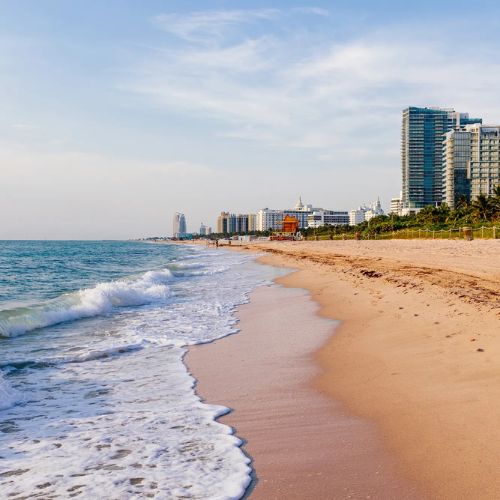
South Beach, the southern tip of Miami Beach island, is the iconic Miami most visitors picture. Ocean Drive, the Art Deco District, the beach itself, and the nightlife corridor along Collins Avenue are all within walking distance. It's lively, beautiful, and supremely convenient.
Brickell: The Upscale Urban Alternative
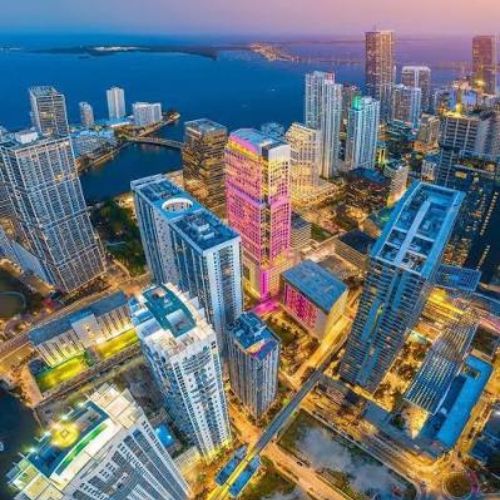
Brickell is Miami's financial district, but don't mistake it for a boring banking neighborhood. It's a sleek, vertical, walkable urban core packed with excellent restaurants, rooftop bars, and luxury hotels with quick Metro access to Wynwood and South Beach.
Wynwood: The Artsy, Instagram-Worthy Choice
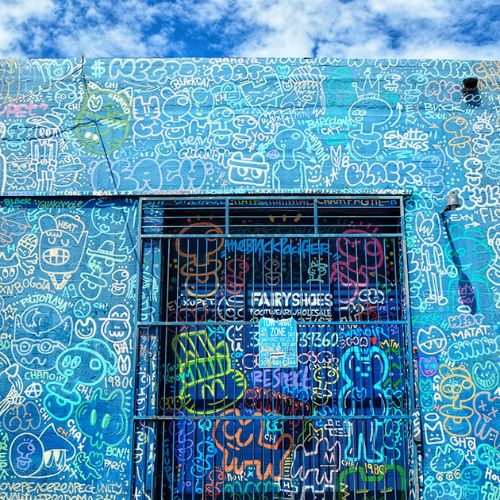
Wynwood is Miami's street-art district, a former industrial neighborhood now packed with murals, galleries, craft breweries, and some of the city's most creative restaurants. Staying here puts you in a more local, younger, creative atmosphere.
Coconut Grove: The Quiet, Family-Friendly Option
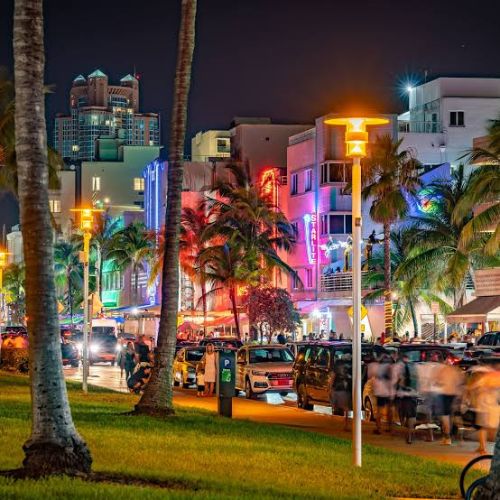
One of Miami's oldest neighborhoods, Coconut Grove is leafy, walkable, and calm. It's excellent for families and those who want a quieter base with access to waterfront dining, boutique shopping, and Biscayne Bay.
Coral Gables: The Elegant Neighborhood
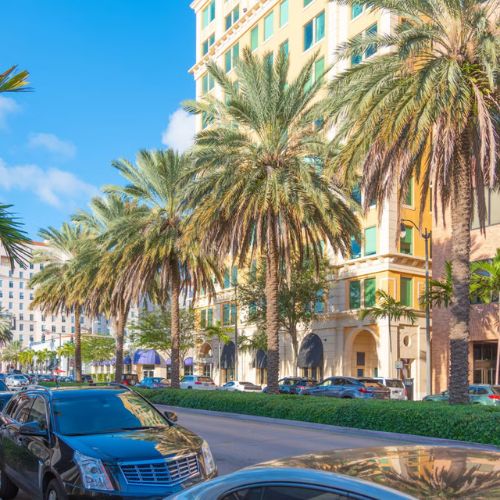
With Mediterranean Revival architecture, tree-lined boulevards, the legendary Biltmore Hotel, and the gorgeous Venetian Pool (an open-air public pool carved from a coral quarry), Coral Gables is Miami's most photogenic residential neighborhood.
Where Should I Stay in Miami, Quick Reference:
Neighborhood | Best For | Vibe |
South Beach | First-timers, beach lovers, nightlife | Iconic, touristy, vibrant |
Brickell | Urban, upscale, city buzz | Modern, sleek |
Wynwood | Art, culture, Instagram | Creative, edgy |
Coconut Grove | Families, quieter pace | Relaxed, leafy |
Coral Gables | Luxury, architecture | Elegant, residential |
Key Biscayne | Peace, nature, families | Exclusive, serene |
Famous Landmarks in Miami You Can't Miss
Miami's skyline is instantly recognizable, but the city's most compelling landmarks are often the ones you experience at ground level. Here are the famous landmarks in Miami that deserve a spot on every itinerary.
The Art Deco Historic District (Ocean Drive and Collins Avenue)
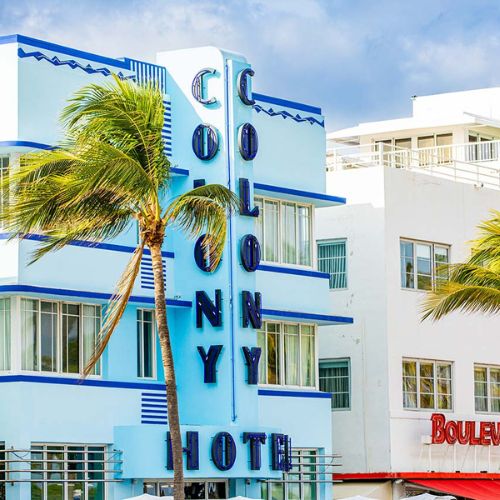
The most concentrated collection of Art Deco architecture in the world stretches along Ocean Drive and the surrounding blocks of South Beach. The pastel-pink, mint-green, and cream-yellow facades of buildings like the Colony Hotel, the Carlyle, and the Versace Mansion (now Casa Casuarina) make this one of the best places to take pictures in Miami. Walk it at sunrise or at dusk when the neon signs start to glow; both are extraordinary.
Wynwood Walls

What began as a single block of painted warehouse walls in 2009 has become one of Miami's most visited attractions and an international landmark of street art. The ever-changing murals span entire building faces, created by artists from around the world. Free to walk past; ticketed entry for the curated Wynwood Walls garden area. Best photographed in the morning before the crowds arrive.
Vizcaya Museum and Gardens
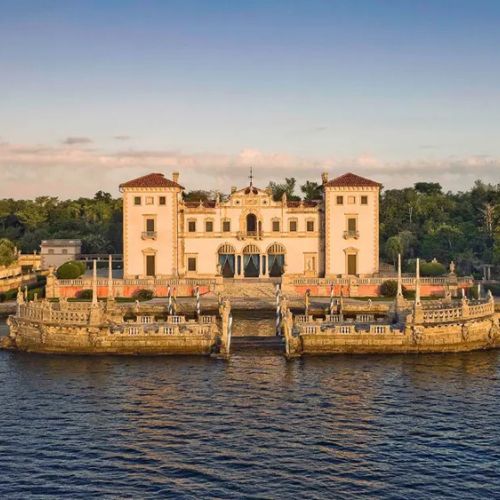
One of America's most spectacular historic properties: a Gilded Age Italian Renaissance–style villa built in 1916 by industrialist James Deering, set on 10 acres of formal gardens overlooking Biscayne Bay. The interior is sumptuous; the gardens are extraordinary. A relatively underrated gem compared to South Beach, and one of the best places to take pictures in Miami for architecture lovers.
Little Havana: Calle Ocho (SW 8th Street)
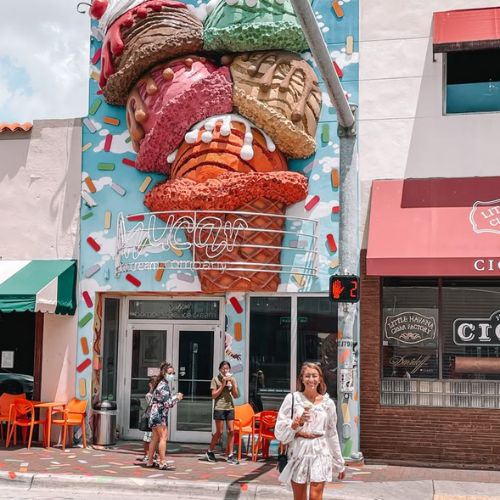
The cultural heart of Miami's Cuban-American community stretches along SW 8th Street, known as Calle Ocho. Here you'll find domino parks where men play into the evening, ventanitas serving café cubano for a dollar, hand-rolled cigar shops, vibrant murals, and the extraordinary scent of Cuban food drifting from open restaurant doors. The annual Calle Ocho Festival is the largest street party in the US. Little Havana is as genuine as Miami gets; don't skip it.
Bayside Marketplace
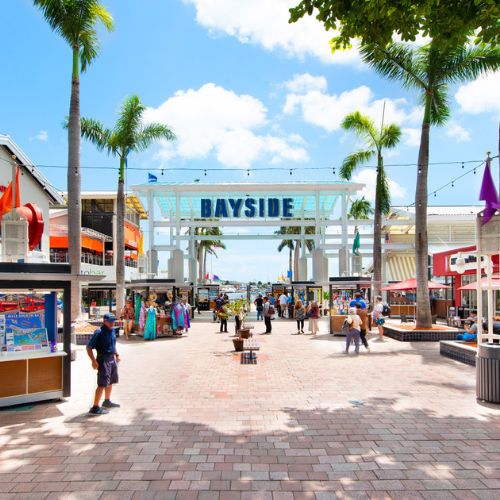
An open-air waterfront shopping and entertainment center on Biscayne Bay, best known for its glowing Ferris wheel, spectacular views of the Miami skyline, and the docks where boat tours and sightseeing cruises depart. It's touristy, and that's fine. The bay views and the energy make it worth a visit, especially at golden hour.
The Perez Art Museum Miami (PAMM)
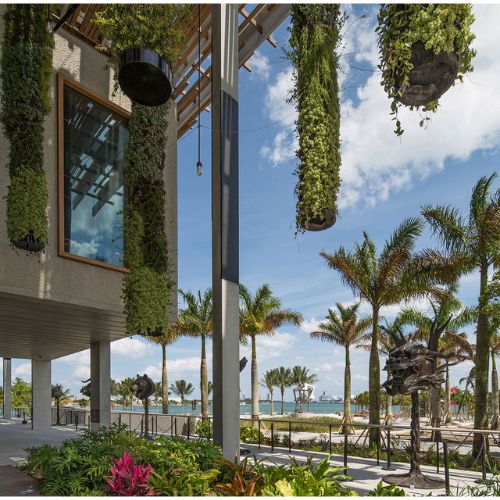
A world-class contemporary art museum in Museum Park, right on Biscayne Bay. The building itself, designed by Herzog & de Meuron and suspended over the bay on dramatic hanging gardens, is one of the most striking pieces of architecture in South Florida. Free on the second Saturday of each month.
Fairchild Tropical Botanic Garden
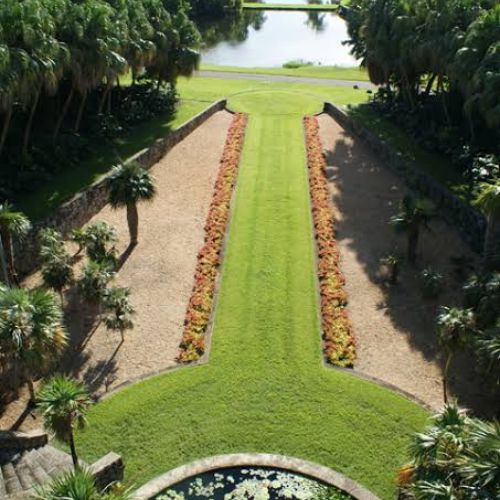
One of the most important botanical gardens in the United States, covering 83 acres in Coral Gables with extraordinary collections of rare palms, cycads, and tropical plants from across the world. Peaceful, beautiful, and underappreciated. Excellent for families and nature lovers.
What to Do in Miami for a Day: The Perfect One-Day Itinerary
If you only have one day in Miami, the good news is that the city is extremely compact in its most visitor-friendly zones. Here's how to spend Miami in a day without wasting a moment.
7:30 am: Sunrise on South Beach
Arrive at South Beach early, before 8 am, and you'll have one of the most beautiful urban beach scenes in the world almost to yourself. The light at sunrise on Ocean Drive is golden and extraordinary. Walk north from 5th Street along the shoreline toward 14th Street, then cut back through the Art Deco streets for a slow look at the architecture while the neighborhood is still quiet.
Stop for Cuban coffee, a colada shared with strangers, or a cortadito for yourself at a nearby ventanita. This is how Miami wakes up.
9:30 am: Breakfast in the Art Deco District
Walk Ocean Drive or the pedestrian Lincoln Road Mall for breakfast. Joe's Stone Crab (if open; seasonal) is a Miami institution for breakfast and lunch. Café Havana on Española Way is charming for a Cuban breakfast. For something local and low-key, try a Cuban bakery like La Palma in Coral Gables or walk to the Española Way food stalls.
11 am: Wynwood Art Walk
Drive or rideshare to Wynwood about 15 minutes from South Beach. Spend 90 minutes walking the Wynwood Walls and surrounding streets. The entire neighborhood has become an open-air gallery; every wall, fence, and loading dock door seems to be painted. Pick up a Wynwood craft beer from J. Wakefield Brewing or a coffee at Panther Coffee (a Miami institution).
1 pm: Little Havana: Lunch and Culture
Head to Calle Ocho for lunch. Versailles Restaurant is the most famous Cuban restaurant in Miami and in America, and the portions are massive. El Cristo is excellent for lechón (roast pork). After lunch, walk SW 8th Street, stop at a cigar shop, watch the domino players in Maximo Gomez Park (Domino Park), and pick up a guayabera shirt or a hand-painted tile.
3:30 pm: Biscayne Bay Boat Tour or Vizcaya
Two options for mid-afternoon, depending on your mood. A 90-minute speedboat or gondola-style tour of Biscayne Bay shows you the Miami skyline, the celebrity waterfront mansions of Star Island, and the Port of Miami from the water a completely different perspective on the city. Alternatively, head to the Vizcaya Museum and Gardens for an hour and a half of Italian Renaissance architecture and extraordinary formal gardens on the bay.
6 pm: Sunset at Bayside or South Pointe Park
South Pointe Park at the southern tip of Miami Beach is one of the best spots in the city for sunset: grassy, waterfront, with extraordinary views of cruise ships gliding through Government Cut toward the open Atlantic. Alternatively, the rooftop of the Bayside Marketplace gives you the Miami skyline lit up at golden hour.
7:30 pm: Dinner in Brickell or South Beach
End the day with a proper Miami dinner. Top picks:
Zuma Miami (Brickell): Japanese robata grill with waterfront views
Carbone Miami (South Beach): Italian-American red sauce in a glamorous setting
Versailles (Little Havana): If you didn't go at lunch, you must go at dinner
KYU (Wynwood): Wood-fired Asian fusion, one of Miami's best restaurants
One-Day Miami Itinerary at a Glance:
Time | Activity |
7:30 am | Sunrise walk on South Beach |
8:30 am | Cuban coffee and Art Deco streets |
9:30 am | Breakfast on Lincoln Road or Española Way |
11:00 am | Wynwood Walls and street art |
1:00 pm | Lunch in Little Havana |
2:30 pm | Calle Ocho cultural walk |
3:30 pm | Bay boat tour or Vizcaya Museum |
6:00 pm | Sunset at South Pointe Park |
7:30 pm | Dinner in Brickell or South Beach |
Top Things to Do in Miami Beach (and Beyond)
Beyond the one-day itinerary, Miami has enough to fill a week without repeating yourself. Here is a deeper look at the top things to do in Miami Beach and across the broader city.
On the Water
Miami's beaches are the starting point for most visitors. The top things to do in Miami Beach include swimming, people-watching, volleyball, and the classic South Beach promenade. But the beach scene spans far more than South Beach:
South Beach (1st–15th Streets): The iconic strip. Best for people-watching, Art Deco scenery, and the classic Miami Beach experience.
Mid-Beach and North Beach (30th–87th Streets): Quieter, more local, less crowded. The best beaches north of Miami Beach proper include North Beach Oceanside Park and Surfside Beach, both excellent for families.
Haulover Beach: Famous for its clothing-optional section and consistent offshore winds that make it excellent for kite surfing.
Key Biscayne (Crandon Park): Wide, calm, clear water widely considered the best family beach in Miami. Bill Baggs Cape Florida State Park, at the island's southern tip, has a historic lighthouse and an extraordinary, never-crowded beach.
Water activities:
Jet skiing, parasailing, and paddle boarding are all available from South Beach
Snorkeling trips to the coral reefs of Biscayne National Park (20 miles south)
Glass-bottom boat tours from Bayside Marketplace
Sunset and party cruises from the Port of Miami
Kayaking through the mangroves of Oleta River State Park (North Miami Beach)
Art and Culture
Wynwood Walls, the most famous outdoor art installation in Miami
Pérez Art Museum Miami (PAMM) international contemporary art in a stunning waterfront building
Bass Museum of Art contemporary art in South Beach, recently renovated
Frost Science Museum exceptional natural history and science museum in Museum Park; the four-story aquarium and the planetarium are highlights for families
Vizcaya Museum and Gardens as described above; genuinely world-class
Wolfsonian-FIU an extraordinary design museum in South Beach covering art, propaganda, and material culture from 1885–1945
For Families
A family trip to Miami has more options than most parents realize. Beyond the obvious beach days:
Zoo Miami, the largest zoo in Florida and one of the best in the US; covers 750 acres with a free-roaming section
Frost Science Museum (Museum Park): four floors of hands-on exhibits and an extraordinary aquarium
Jungle Island tropical bird park on Watson Island; interactive animal encounters
Crandon Park on Key Biscayne: calm, clear water, amusement park, nature trails, tennis center
Miami Children's Museum excellent for younger kids, on Watson Island
Everglades airboat tours (about 45 minutes south); spotting alligators from an airboat is universally thrilling for kids
Best Date Ideas in Miami
Miami is one of the most romantic cities in the US; the warm nights, the waterfront settings, and the extraordinary food scene make it natural for couples.
The best date ideas in Miami include:
Sunset sail from the Marina: dozens of operators run 2-hour sunset cruises; cheaper than a restaurant and more memorable
Vizcaya Museum at golden hour: the garden terraces overlooking the bay at sunset are simply stunning
Dinner at KYU or Zuma followed by a walk along the Brickell waterfront
The Standard Spa Miami Beach: a couples' spa day on the bay side of Miami Beach; hydrotherapy pools, bay views, and a genuinely relaxed vibe
Little Havana at night: Calle Ocho becomes a different city after dark on weekends, with live salsa music spilling from bars
Rooftop cocktails at Sugar (EAST Miami hotel in Brickell), one of the best rooftop bars in the US, with 360-degree views of the city and bay
Best Places to Take Pictures in Miami
Miami is exceptionally photogenic. The best spots:
Ocean Drive at sunrise or dusk; pastel Art Deco facades at golden light
Wynwood Walls murals that change regularly; always spectacular
Vizcaya Museum gardens: Italian Renaissance grandeur with tropical vegetation
Bayside Marketplace and the Miami skyline at night: reflections on the bay
Little Havana's Calle Ocho: authentic street life, murals, and color
South Pointe Park skyline, ocean, and cruise ships all in one frame
The Miami Beach Boardwalk (21st to 46th Street): local joggers, ocean views, quieter side of beach life
Opa-locka City Hall, one of America's most extraordinary examples of Moorish Revival architecture, rarely photographed by visitors
Brickell City Centre bridges ultra-modern architecture reflected in Biscayne Bay
Is Miami Safe for Tourists?
This is one of the most common questions in any Miami visitors guide, and the honest answer is: yes, Miami is generally safe for tourists, with some important caveats.
Miami-Dade reported violent crime down 17% and overall Part 1 crimes down 13% in early 2025 compared to 2024, with homicides dropping nearly 40% year-over-year. The improvement is real and sustained. The most common crimes tourists face are pickpocketing and purse-snatching. The easiest way to avoid those is to not carry your valuables openly when exploring, and if you have to bring a bag, hold onto it at all times.
Safe Neighborhoods for Tourists
Popular spots like Miami Beach, Downtown Miami, and South Beach are heavily patrolled with a strong police presence to ensure visitor safety. Additional safe areas for tourists:
Brickell: upscale, well-lit, active even late at night
Coral Gables: extremely low crime, beautiful streets
Coconut Grove (north section) walkable, calm, family-friendly
Key Biscayne among the safest and most beautiful spots in all of Miami
Wynwood busy during the day; use rideshare at night
Neighborhoods to Approach with Caution
Certain neighborhoods you should avoid include Liberty City (also called Model City) and Overtown; both have elevated violent crime rates and offer little for tourists in any case. As a general rule: if there's no tourist attraction there, don't go there.
Practical Safety Tips for Miami Visitors
Don't leave anything in your car; car break-ins are the most common crime affecting visitors across Miami
Use rideshare at night rather than walking unfamiliar streets alone
Keep your phone down in crowded areas, especially on the beach
Stay in well-lit areas after dark; Ocean Drive, Lincoln Road, and Brickell's main streets are all active and safe late into the night
Hurricane season awareness if visiting between June and November; monitor weather forecasts and consider travel insurance
Drink water constantly; heat exhaustion is a real risk in summer; Miami's humidity is extreme
Best Day Trips from Miami
One of the great advantages of basing yourself in Miami is the variety of getaways within 1–3 hours. These are the best day trips from Miami for every type of traveler.
Nature Day Trips
The Everglades (45 minutes south):

The largest subtropical wilderness in North America, the Everglades sits practically on Miami's doorstep. An airboat tour through the sawgrass prairies spotting alligators, herons, and roseate spoonbills is one of the most thrilling experiences in South Florida. Multiple operators run morning departures from Homestead and the Tamiami Trail. Allow a half-day minimum.
Key Biscayne (20 minutes from downtown):
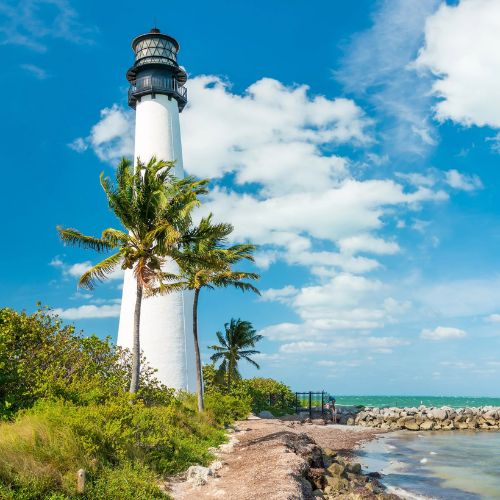
Technically inside Miami, but it feels like a world away. Take the Rickenbacker Causeway across to the island, swim at Crandon Park's calm, clear waters, and continue to Bill Baggs Cape Florida State Park for the historic lighthouse, beach picnic areas, and scenic coastal paths. One of the best half-day escapes from the city and accessible by bus.
Biscayne National Park (30 miles south):
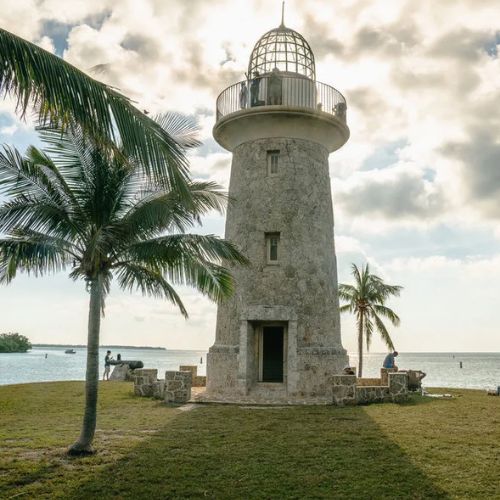
Ninety-five percent underwater, Biscayne National Park protects the northernmost section of the Florida Keys reef system. Glass-bottom boat tours from the Dante Fascell Visitor Center give you a window onto extraordinary coral formations without getting wet. Snorkeling and dive tours are also available.
Coastal Town Day Trips
Fort Lauderdale (30–45 minutes north):
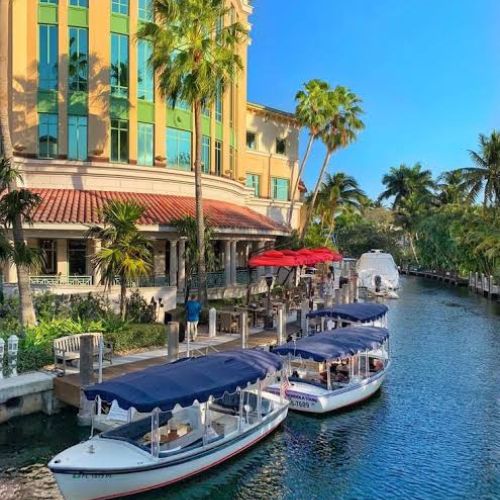
Often called the "Venice of America" for its 165 miles of navigable waterways, Fort Lauderdale is one of the best towns near Miami for a relaxed coastal day. Walk Las Olas Boulevard (boutiques, galleries, excellent restaurants), take a gondola ride on the canals, and spend an afternoon on Fort Lauderdale Beach, wider and less crowded than South Beach.
Fort Lauderdale manages to pack in a romantic getaway in less than an hour's ride north of Miami. The Water Taxi is one of the best ways to explore the canals.
Delray Beach (1 hour north):

Consistently praised as one of Florida's most livable and enjoyable small towns. Atlantic Avenue runs from the Intracoastal Waterway to the beach, packed with restaurants, galleries, and shops. The Morikami Museum and Japanese Gardens, a peaceful Japanese cultural complex in the middle of South Florida, is one of the most unexpected and worthwhile attractions in the region.
Boca Raton (50 miles north):
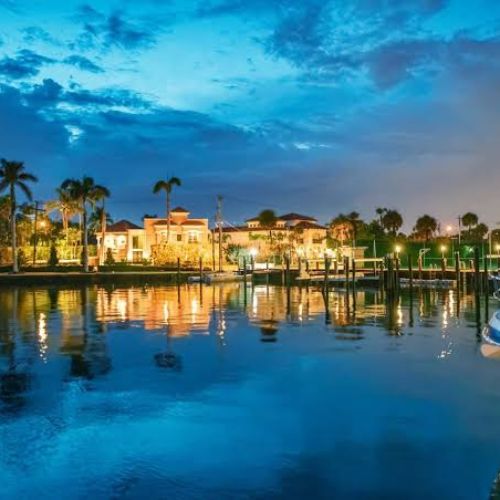
Refined coastal destination with a beautifully preserved downtown, Mizner Park (an upscale open-air shopping and dining center), excellent beaches, and the Boca Raton Museum of Art. Gumbo Limbo Nature Center is excellent for families: sea turtle conservation, nature trails, and tanks full of rescued marine life.
Florida Keys Day Trips
Key Largo (1 hour south):
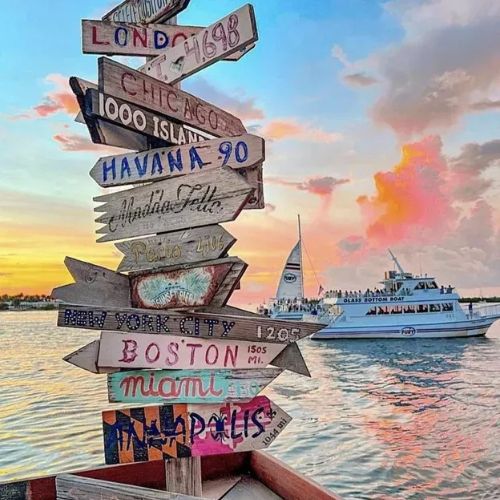
The first link in the Florida Keys island chain, Key Largo is primarily known for its extraordinary marine life. John Pennekamp Coral Reef State Park, the first underwater state park in the US, offers glass-bottom boat tours, snorkeling, and kayaking through mangroves. The drive down US-1 through the Keys is itself beautiful.
Islamorada (1.5 hours south):

A string of islands in the Upper Keys known as the sportfishing capital of the world. Laid-back atmosphere, exceptional seafood, and some of the best snorkeling and diving in Florida without going all the way to Key West.
Key West (4 hours south):
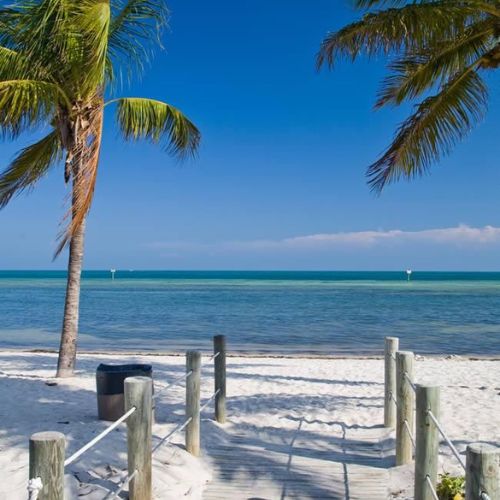
Florida's southernmost point is a full day from Miami doable, but an overnight makes it far more enjoyable. Ernest Hemingway Home & Museum (with its famous polydactyl cats), Duval Street, the Southernmost Point Buoy, the sunset celebration at Mallory Square, and Fort Zachary Taylor State Park beach are the highlights. Bus tours from Miami run daily; the Overseas Highway drive crossing 42 bridges over sparkling water is one of the most scenic road trips in America.
International Day Trips
Bimini, Bahamas (50 miles off the coast) One of the most unique options on this list: the closest Bahamian island to Miami, reachable by high-speed ferry from the Port of Miami (about 2 hours) or by seaplane in under 30 minutes. Once there, you're in the Bahamas: white sand, turquoise water, conch salad at a beach shack, and an entirely different pace of life.
Best Day Trips from Miami — Quick Reference:
Destination | Distance | Drive Time | Best For |
Key Biscayne | 10 miles | 20 min | Beaches, families, nature |
Everglades | 45 miles | 45 min | Airboat, wildlife, adventure |
Fort Lauderdale | 30 miles | 35 min | Canals, Las Olas, beaches |
Biscayne National Park | 30 miles | 40 min | Snorkeling, glass-bottom boats |
Delray Beach | 65 miles | 1 hr | Charming town, art, beach |
Boca Raton | 50 miles | 50 min | Shopping, beach, sea turtles |
Key Largo | 55 miles | 1 hr 15 min | Snorkeling, coral reefs |
Islamorada | 75 miles | 1.5 hrs | Fishing, diving, laid-back Keys |
Key West | 160 miles | 3.5–4 hrs | Hemingway, nightlife, sunset |
Bimini, Bahamas | 50 miles offshore | 2 hrs (ferry) | International, beach, Caribbean |
Best Places to Live in Miami for Families (and Best Towns Near Miami)
If you're considering a longer stay or a relocation after falling in love with the city on your visit, the best places to live in Miami for families cluster around quieter, greener, and safer neighborhoods with good schools.
Coral Gables consistently ranks among the best places to live in Miami for families. Excellent school district, tree-lined streets, Mediterranean architecture, the University of Miami, and the extraordinary Venetian Pool. It's safe, walkable in its own way, and very beautiful.
Coconut Grove: Miami's oldest neighborhood, with a bohemian-meets-upscale feel. Access to waterfront parks, excellent private and public schools, and a tight-knit community. Expensive, but family-friendly.
Key Biscayne: extremely safe, quiet island community with excellent beaches and parks. Very high real estate prices but an exceptional quality of life.
Palmetto Bay and Pinecrest are two suburban communities south of Miami proper with top-rated public schools, large family homes, and easy access to nature areas.
Best Towns Near Miami for day trips and weekend escapes include Fort Lauderdale (30 min north), Delray Beach (1 hour north), Coral Springs, and Aventura, a modern, walkable city built around one of Florida's largest shopping malls, with a large international community.
How to Save Money on Your Miami Trip
Miami has a reputation for being expensive, and parts of it are. But there is also a very affordable Miami hiding beneath the glam, if you know where to look.
Free and Low-Cost Experiences:
The beach is completely free, always
Wynwood Walls exterior murals free to walk past and photograph
Metromover (downtown people-mover) 100% free
Frost Science Museum free for Miami-Dade residents; very reasonable for visitors
Pérez Art Museum free on the second Saturday of each month
Vizcaya Museum gardens worth every cent; affordable compared to comparable attractions globally
Zoo Miami one of the best zoos in the US at a very reasonable price
Budget Tips:
Eat Cuban food at ventanitas (walk-up windows) and local bakeries; authentic, cheap, and extraordinary
Visit the Wynwood Farmers Market on weekends for local food and art without the restaurant markup
Use the Metrorail and Metromover instead of taxis; a SmarTrip card covers both
Book hotels in Brickell or Coral Gables rather than South Beach; better value, still excellent access via Metro
Visit South Beach on weekday mornings when crowds are light, and parking (if you must drive) is cheaper
Conclusion
Miami doesn't just meet expectations; it redefines them. First-time visitors who come for the beach leave with stories about the food in Little Havana, the art in Wynwood, the alligators in the Everglades, and the lights of Brickell reflected in the bay at midnight. It's a city that layers itself onto you one neighborhood at a time, one Cuban coffee at a time, one sunset at a time. Whether you have one day in Miami or one month, you now have the framework to experience it properly. Use this guide, plan your itinerary, and The Magic City is waiting.