Hidden Gems in Oceania Islands Travel Guide: Pacific Secrets Nobody Talks About
If you've ever typed "Oceania where" into a search bar at 2 AM while dreaming of somewhere far, far away from your routine, this guide was written for you. Oceania is one of those places that people talk about in vague, dreamy terms, and yet so few actually visit its most extraordinary corners. Most travelers end up in Bora Bora or Sydney and call it done. Meanwhile, thousands of islands in this massive Pacific region sit completely untouched. Think turquoise waters, untouched beaches, volcanic landscapes, and cultures that have stayed deeply connected to nature for centuries.
This hidden gems in Oceania islands travel guide covers everything from what the Oceania region actually is, to the best places nobody told you about, what the weather's like in May, where to go on an Oceania vacation, and which countries to visit if you're serious about exploring the real Pacific. No fluff. Just honest, thoroughly researched travel knowledge so you can plan a trip you'll be talking about for years.
So, What Is the Oceania Region Exactly?
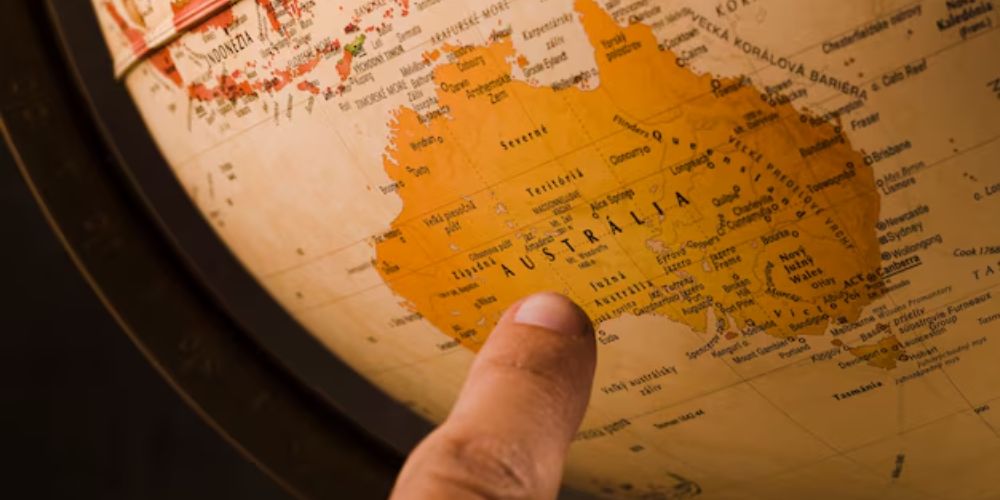
"Oceania" is one of those terms people throw around without really knowing what it covers. Simply put, it's a massive geographic area made up of thousands of islands across the central and south Pacific Ocean, roughly 8.5 million square kilometers, mostly water.
The region breaks down into four sub-regions:
Australasia — Australia and New Zealand
Melanesia — Fiji, Papua New Guinea, Vanuatu, Solomon Islands, New Caledonia
Micronesia — Palau, Marshall Islands, and other tiny island nations to the north
Polynesia — Samoa, Tonga, Cook Islands, French Polynesia, Tuvalu, and Niue
In total, 14 countries and over 10,000 islands with a population of under 43 million. That low density is exactly why so much of it still feels genuinely untouched.
One thing that surprises most people is that Oceania isn't all flat, tropical islands. New Zealand's Aoraki/Mount Cook rises to 3,724 meters. Papua New Guinea has peaks above 4,000 meters. The mountains here are real, dramatic, and largely unknown to the average traveler.
What Is the Weather Like in Oceania in May?
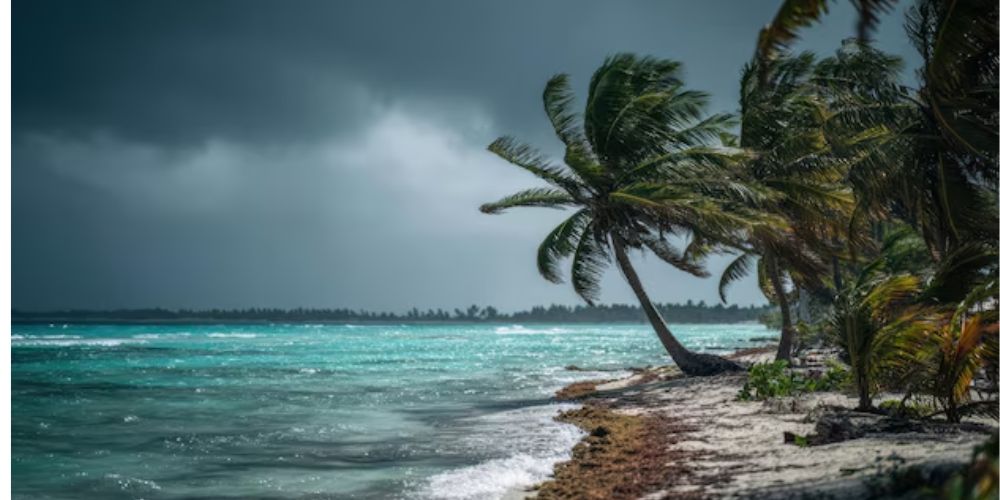
This is one of the most common questions from travelers planning an Oceania trip, and the answer depends entirely on where in Oceania you're headed.
South Pacific islands (Fiji, Vanuatu, Samoa, Tonga) — May is a great time to visit. The wet season wraps up in April, so you're entering the dry season with lower humidity, less rain, and comfortable temperatures.
Tonga — Whale season hasn't started yet but crowds are minimal. Good time to explore before the July–October rush.
Niue — Excellent for diving. Water visibility is outstanding and the weather is warm without being humid.
French Polynesia — Pleasant 26–28°C, low rainfall, calm seas. Shoulder season means better prices and fewer crowds before the European summer arrives.
Australia & New Zealand — Early autumn. Australia is comfortable and easy to explore. New Zealand gets cooler, especially in the South Island, but it's beautiful with almost no tourists.
Countries to Visit in Oceania: A Practical Breakdown
For those planning an Oceania trip and trying to figure out which countries to visit, here's a straightforward overview of what each major destination offers.
Australia — The Easiest Starting Point
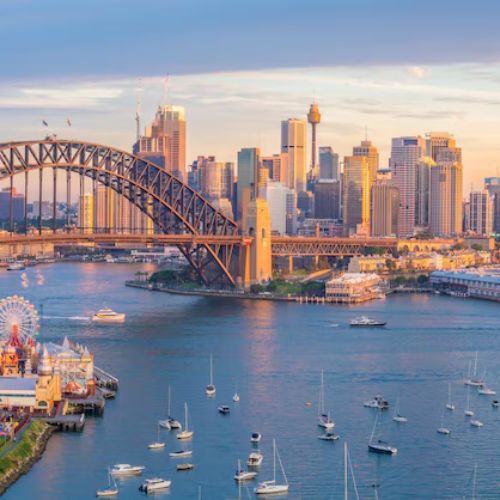
Australia is the largest country in Oceania and is usually the easiest place to start exploring the region. Most travelers stick to Sydney, Melbourne, and Brisbane, but the real magic is outside the cities. The Kimberley feels completely wild, the Daintree Rainforest is ancient and untouched, and the Red Centre around Alice Springs shows a raw desert landscape that feels endless. This is where Australia turns into a true adventure across unique places in Oceania.
New Zealand — Two Islands, Six Different Worlds
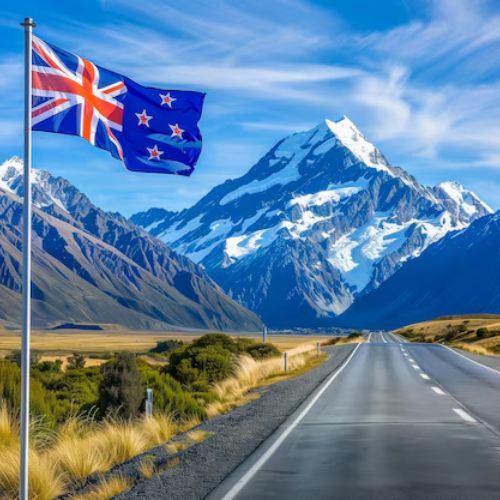
New Zealand may only have two islands, but it feels like several different worlds in one trip. The North Island offers geothermal valleys, Maori culture in Rotorua, and city life in Auckland. The South Island is all about dramatic scenery, Fiordland, Milford Sound, glaciers, and Queenstown’s adventure scene. The Southern Alps bring some of the most impressive Oceania mountains, making New Zealand one of the most unforgettable stops in the Oceania region.
Niue — The Rock Nobody Talks About
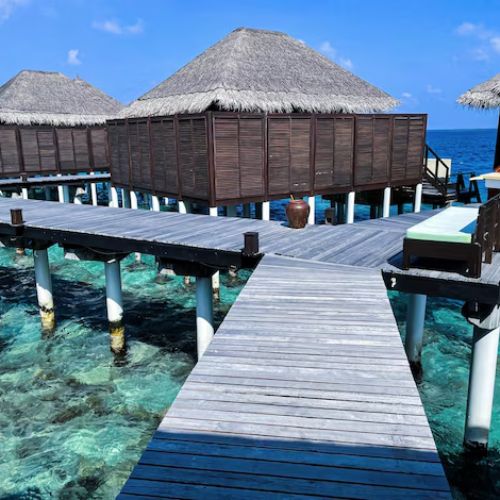
Niue is a small raised coral atoll northeast of New Zealand with only around 1,500 residents, making it one of the quietest spots in the oceania islands. Instead of sandy lagoons, you’ll find dramatic limestone cliffs, sea caves, and deep chasms filled with striking blue water.
Places like Togo Chasm and Matapa Chasm feel almost unreal, with crystal-clear pools hidden between rugged rock formations. The island is also a paradise for divers, with underwater visibility often exceeding 50 meters. Between July and October, humpback whales pass through Niue’s waters, and in rare moments, you can even swim alongside them in the open ocean.
Ha’apai, Tonga — Where the Pacific Still Feels Wild
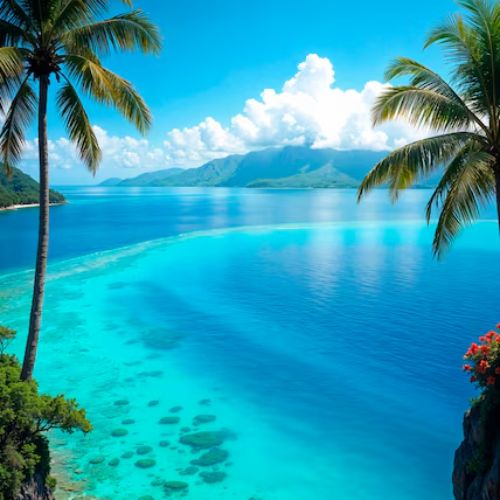
Ha’apai in Tonga feels like the Pacific before it became a destination. Tucked quietly between Tongatapu and Vava’u, it’s all empty beaches, soft turquoise water, and long stretches of silence broken only by the ocean. Life centers around small communities like Pangai on Lifuka Island, where guesthouses and local eateries keep things simple and unhurried.
Between July and October, humpback whales pass through these waters, and the experience here feels far more personal because there are no heavy crowds or constant boat traffic like in Vava’u.
Vanuatu — A Country That Still Feels Untouched
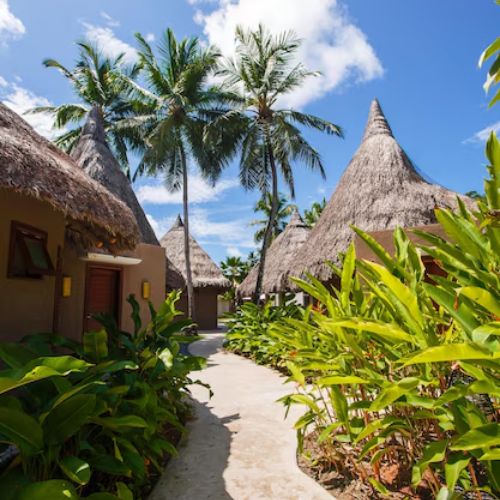
Vanuatu is made up of 83 islands, and somehow still feels like one of the most overlooked places in the Pacific. It’s incredibly diverse, with over 100 indigenous languages and traditions that are still very much alive. On Pentecost Island, the land diving ceremony is one of the most intense cultural experiences you’ll ever see. Men jump from tall wooden towers with only vines tied to their ankles.
Elsewhere, Tanna Island brings you face to face with Mount Yasur, an active volcano you can actually walk up to at sunset. And on Espiritu Santo, the SS President Coolidge wreck offers one of the most famous diving sites in the region, sitting quietly beneath the sea.
The Lau Group, Fiji — The Fiji Most Travelers Never See
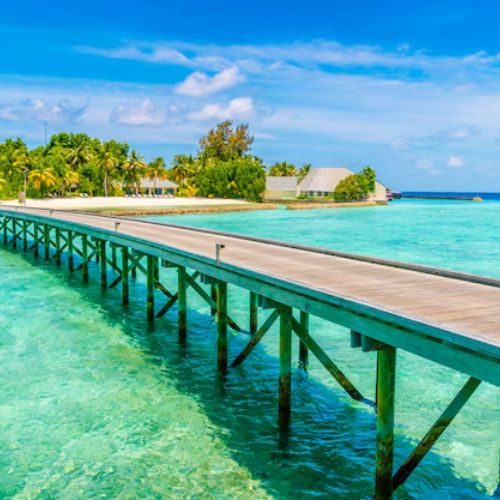
The Lau Islands sit far to the east of Fiji, and getting there isn’t easy which is exactly why they remain so untouched. Most visitors never make it this far, but those who do find a completely different side of Fiji. The culture here blends Fijian and Tongan traditions, and visiting villages often begins with a sevusevu ceremony, where kava root is offered as a sign of respect.
The reefs around these islands are incredibly healthy, with clear water and rich marine life that attracts serious divers who are willing to make the long journey.
Palau — A Small Nation With An Ocean Mindset
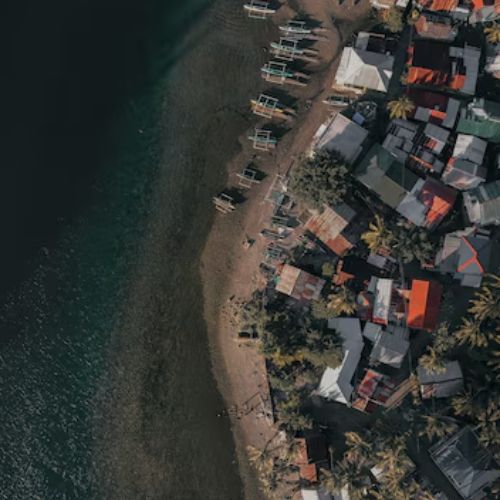
Palau may be small, but its respect for the ocean is world-famous. Every visitor signs the Palau Pledge on arrival, promising to protect the environment during their stay. The Rock Islands are a highlight, best explored slowly by kayak through calm waters and hidden coves.
Then there’s Jellyfish Lake, where thousands of harmless jellyfish drift quietly through the water, creating one of the most surreal swimming experiences in the world. For divers, Shark City shows what true conservation looks like, with thriving reef shark populations protected by strict marine laws.
Maupiti, French Polynesia — Bora Bora Without the Crowds
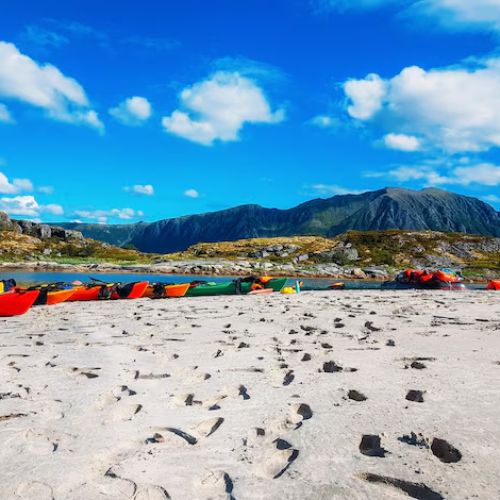
Maupiti feels like Bora Bora’s quieter, more grounded sibling. The lagoon is just as beautiful, maybe even more peaceful, but without big resorts or cruise crowds. Instead, you’ll find small family-run stays, quiet beaches, and locals who still live closely connected to island traditions.
Snorkeling with manta rays in the pass is a highlight, and hiking Mount Teurafaatiu gives you one of the best panoramic views in French Polynesia. There are no ATMs here, no rush, and that simplicity is part of the charm.
The Solomon Islands — Where Nature and History Meet
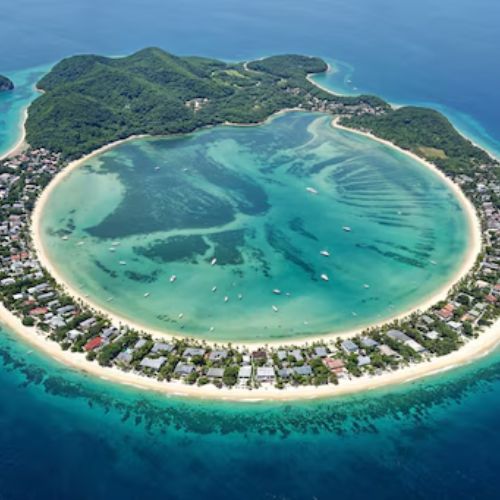
The Solomon Islands feel layered with both history and wild nature. In Iron Bottom Sound, near Guadalcanal, WWII shipwrecks rest beneath the surface, making it one of the most significant diving regions in the Pacific. On Malaita, some communities still live in villages built over the water, maintaining traditions that have lasted for generations.
Then there’s Tetepare Island, completely uninhabited and protected by local communities. It’s one of the last true wilderness islands in the South Pacific, where turtles nest freely and marine life moves undisturbed.
Planning Your Vacation: What You Actually Need to Know
Timing and seasons
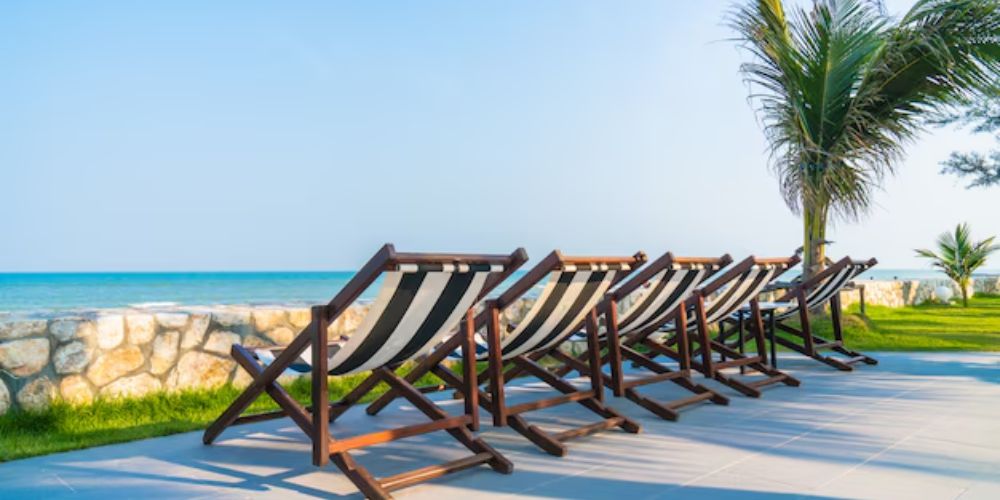
Timing can make a big difference when planning an Oceania trip. For most South Pacific islands, the best weather arrives between May and October, when conditions are drier and more comfortable for exploring. Whale-watching season in Tonga, Niue, and parts of French Polynesia typically runs from July to October, offering unforgettable wildlife encounters.
If you're visiting Vanuatu to witness the famous land diving ceremony, plan your trip between April and June. In Australia, northern destinations like Cairns and Darwin are best enjoyed from May to October, while southern cities such as Sydney and Melbourne can be visited year-round, with the busiest travel period falling between December and February.
Accommodation
One of the best parts of exploring the lesser-known Oceania islands is the accommodation itself. These destinations aren't filled with large international hotel chains or luxury high-rises. Instead, you'll find family-run guesthouses, eco-lodges, and traditional beach fales, open-sided huts that are especially common in Samoa and Tonga.
Staying in locally owned accommodation often creates a much more memorable experience. You'll enjoy home-cooked meals, hear stories from local families, and gain a deeper understanding of island life that most resort guests never see. If you're visiting during peak whale-watching season, it's a good idea to book early, as rooms can fill up quickly. And while many travelers enjoy disconnecting, keep in mind that internet access on some outer islands can be limited or unreliable, making it the perfect excuse to slow down and enjoy your surroundings.
Budget reality
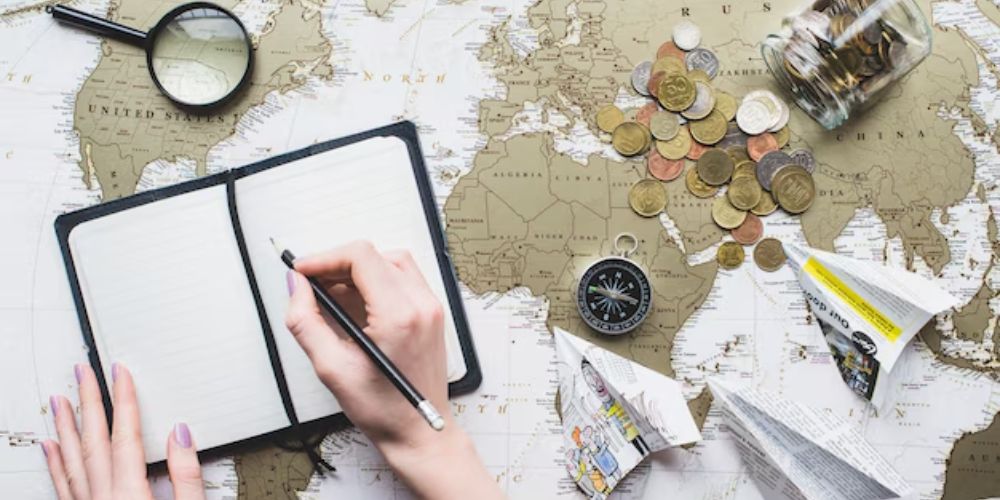
A typical Oceania trip costs around $150–$350 USD per person per day, excluding international flights. Your expenses will depend on the island, accommodation, and activities you choose.
Keep in mind that some of the most remote Oceania islands can be surprisingly expensive due to limited accommodation and domestic flight options. Special experiences, such as swimming with humpback whales in Niue or Tonga, usually cost extra but are often worth including in your travel budget.
1. Things to Do in Oceania
Adventure & Nature
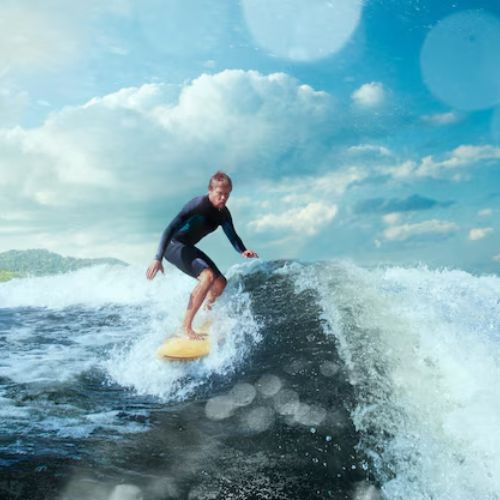
Swim with humpback whales — Niue or Tonga (July–October)
Hike Mount Yasur volcano at dusk — Vanuatu
Dive WWII wrecks — Solomon Islands
Kayak Palau's Rock Islands
Trek Togo & Matapa Chasms — Niue
Culture & History
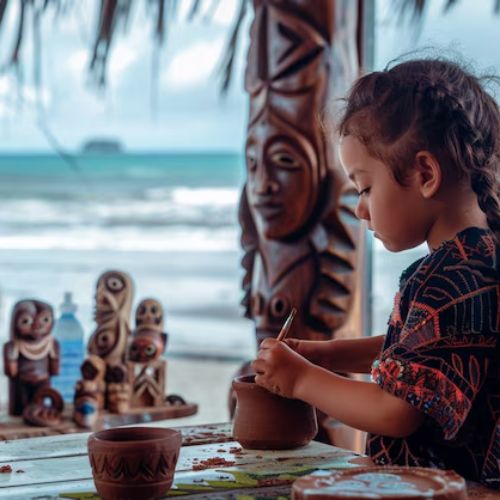
Watch land diving ceremony — Pentecost Island, Vanuatu (April–June)
Join a kava ceremony in a Fijian village
Explore Maori culture — Rotorua, New Zealand
Visit Malaita's ancient sea villages — Solomon Islands
Water & Beaches
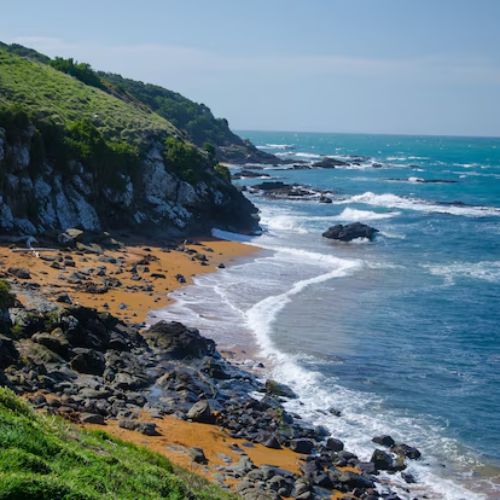
Snorkel the manta ray pass — Maupiti, French Polynesia
Dive Rainbow Reef — Taveuni, Fiji
Swim To Sua Ocean Trench — Samoa
Float in Jellyfish Lake — Palau
2. What to Eat in Oceania
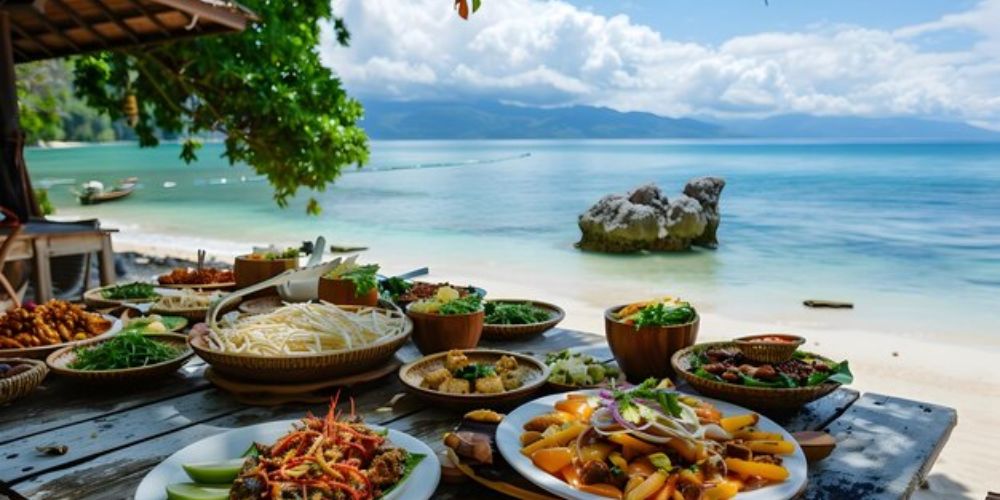
Food is a big part of the travel experience in the oceania region, with every island offering its own traditional flavors, fresh seafood, and locally grown ingredients that reflect the culture and lifestyle of the Pacific.
Samoa & Tonga: Palusami, Lu Pulu, and Umu feasts
French Polynesia: Poisson Cru
New Zealand: Hāngi and Pavlova
Australia: Barramundi and Meat Pies
Across the Islands: Fresh seafood, taro, and coconut water
Fiji: Kokoda, Lovo, and Roti
Final Thoughts: Why Oceania Should Be on Your Bucket List
The beauty of pacific oceania lies in its contrast between luxury resorts next to untouched villages, volcanic peaks beside calm lagoons, and modern cities surrounded by ancient traditions.
If you're looking for something beyond typical tourist routes, this region is perfect. Whether you're exploring islands in Oceania, planning your next adventure, or simply curious about oceania, this guide gives you a starting point to explore one of the most magical parts of the world.
From hidden beaches to dramatic mountains, Oceania is not just a destination, it's an experience that stays with you long after the trip ends.