
London gives visitors more free, world-class attractions than almost any other capital city over 170 free museums, 3,000 parks, and 8 UNESCO World Heritage Sites, all with no entry fee. The British Museum, National Gallery, and Tate Modern charge nothing for their permanent collections every single day of the year, a policy few cities outside the UK match.
This guide breaks down exactly what's free in London in 2026 museums, parks, ceremonies, viewpoints, and family activities with specific costs, hours, and booking rules so nothing catches you off guard.
What Are the Best Free Things to Do in London?

London's best free attractions fall into four categories: national museums, royal parks, royal ceremonies, and free viewpoints. The British Museum, National Gallery, Tate Modern, Tate Britain, V&A, Natural History Museum, Science Museum, and National Portrait Gallery all offer free permanent collections, because they're publicly funded national institutions; you pay only for special exhibitions, typically £12–25. Beyond museums, the Changing of the Guard at Buckingham Palace runs most days around 10:45 am at no cost, and all eight Royal Parks, including Hyde Park and Greenwich Park, are free and open daily. For skyline views, the Sky Garden at 20 Fenchurch Street is free with advance online booking, and Tate Modern's top-floor viewing level requires no booking at all. Together, these free options can fill a genuinely complete multi-day London trip without a single admission fee.
Quick-Reference: Free vs. Paid London Highlights
Attraction | Cost | Note |
|---|---|---|
British Museum, National Gallery, Tate Modern | Free | Special exhibitions £12–25 |
Changing of the Guard | Free | Not daily in winter; check schedule |
Royal Parks (Hyde Park, Greenwich, etc.) | Free | Open daily, year-round |
Sky Garden viewpoint | Free | Must book online ~3 weeks ahead |
London Eye | ~£29 (from ~£25 through Sept 2026) | Book ahead for lower rate |
Tower of London | ~£37 adult | Ceremony of the Keys is free but requires registration |
Which London Parks Are Free, and How Are They Different?
All eight of London's Royal Parks are free to enter year-round, and each has a distinct character rather than being interchangeable green space. Hyde Park, at more than 350 acres, is the largest and most central, home to the Serpentine Lake, Speakers' Corner, and the Diana Memorial Fountain; it connects directly into Kensington Gardens. St James's Park is the oldest Royal Park and offers the closest, most photographed view of Buckingham Palace, plus a free pelican feeding held daily at 2:30 pm. Regent's Park holds the formal Queen Mary's Rose Gardens and a boating lake, with Primrose Hill just beyond its northern edge for skyline views (London Zoo, inside the park's boundary, is ticketed separately). Greenwich Park, across the river, climbs to the Royal Observatory and the free outdoor Prime Meridian Line. Hampstead Heath, at 320 hectares, feels more like countryside than a city park, with ancient woodland and wild swimming ponds, while Richmond Park is known for its free-roaming wild deer herds.
London's Royal Parks Compared
Park | Known For | Nearest Tube |
|---|---|---|
Hyde Park | Serpentine Lake, Speakers' Corner, size | Hyde Park Corner |
Kensington Gardens | Diana Memorial Playground, Round Pond | Queensway |
St James's Park | Buckingham Palace views, pelicans | St James's Park |
Regent's Park | Rose gardens, boating lake | Regent's Park |
Greenwich Park | Observatory Hill, Prime Meridian | Cutty Sark (DLR) |
Hampstead Heath | Wild woodland, swimming ponds | Hampstead |
Richmond Park | Wild deer herds | Richmond |
Are There Free Walking Tours in London?
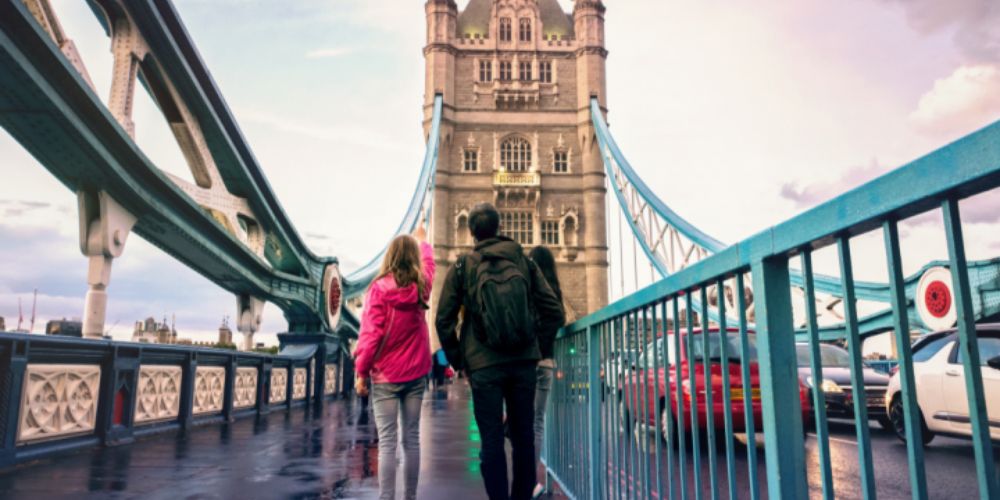
Yes, London runs on a well-established network of tip-based "free" walking tours, where you reserve online or simply show up, join a guide for two to three hours, and pay what you think the experience was worth at the end. Providers like SANDEMANs and GuruWalk operate multiple routes daily, typically starting in central spots like Charing Cross or Trafalgar Square and covering Buckingham Palace, Westminster Abbey, Big Ben, and the West End on a single walk. Beyond the classic royal-and-political route, specialty free walks cover East End street art, Camden's music history, Jack the Ripper's Whitechapel, and the City of London's darker past. Because guides earn only from tips, quality tends to be high; there's a direct financial incentive to keep the tour engaging. Booking ahead is recommended on weekends and holidays, since popular routes fill up, but there's no cost to reserve a spot and no penalty for changing plans.
Reserve online in advance (recommended for weekends) or just show up at the meeting point
Standard tours run 2–2.5 hours and cover major central landmarks
Specialty routes exist for street art, music history, and true-crime themes
Tip your guide directly at the end; no fixed price, no upfront payment
Tours run rain or shine, so dress for the weather
What Does a Free 3-Day London Itinerary Look Like?
A free three-day London itinerary works best organized by geography, pairing one or two major museums with a park or ceremony each day so you're not crossing the city repeatedly. Day one centers on Westminster and St James's: watch the Changing of the Guard in the morning, walk through St James's Park to see the pelicans, then spend the afternoon in the National Gallery on Trafalgar Square. Day two shifts to South Kensington and the river: the Natural History Museum and Science Museum in the morning, Hyde Park and Kensington Gardens in the afternoon, then a free-to-book Sky Garden sunset slot if you reserved one weeks earlier. Day three covers Greenwich and the East: the National Maritime Museum and Prime Meridian Line in the morning, a walk through Greenwich Park for the skyline view, then Borough Market and a stroll along the South Bank to Tate Modern before it closes. Total attraction cost across all three days: nothing, beyond food and transport.
Day 1: Changing of the Guard → St James's Park → National Gallery
Day 2: Natural History Museum → Science Museum → Hyde Park/Kensington Gardens → Sky Garden (if pre-booked)
Day 3: Greenwich Park & Prime Meridian → Borough Market → South Bank walk → Tate Modern
How Do You Keep a London Trip Free Beyond the Attractions?
Attraction costs are only part of a London budget; transport and food are where a "free" trip usually leaks money, so managing those two areas matters as much as picking free sights. A contactless bank card or Oyster card automatically caps your daily Tube and bus spending at the equivalent of a Day Travelcard, so you're never overcharged for multiple short trips in one day. Walking between nearby attractions (the West End to Covent Garden, or South Kensington's three major museums) avoids unnecessary Tube fares entirely, since central London's core sights sit closer together than they appear on the Tube map. For food, markets like Borough Market let you browse and sample without buying a full meal, and supermarkets (Tesco, Sainsbury's Local, M&S Food) sell meal deals in the £3.50–£5 range that undercut sit-down restaurant prices considerably.
Use a contactless card or Oyster; daily spending automatically caps
Walk short central distances instead of taking the Tube for one stop
Bring a reusable water bottle to avoid buying drinks at attractions
Supermarket meal deals beat restaurant prices for lunch on the go
Picnic in a Royal Park instead of paying for a sit-down meal
What Free Museums Are in London?
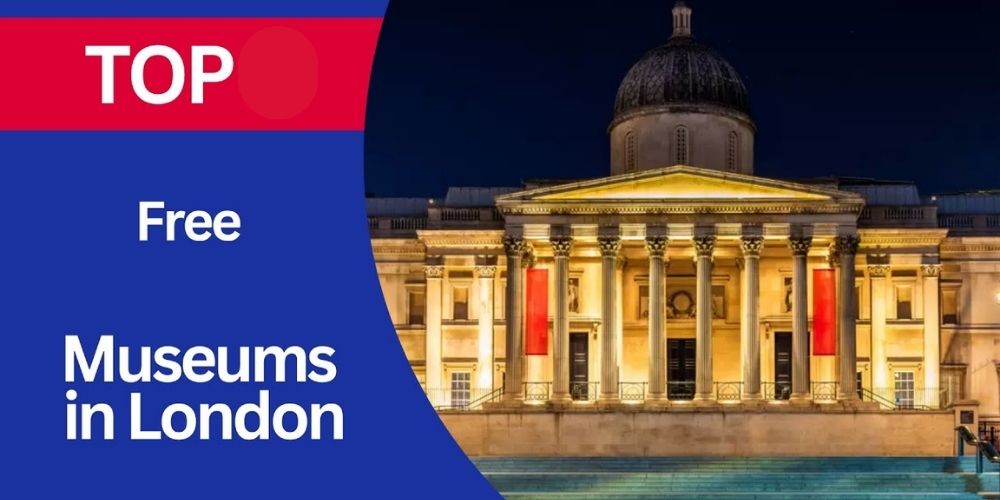
London's major national museums are free every day of the year, not just on select free days a key difference from cities like Paris or Florence. The British Museum holds over 8 million objects, including the Rosetta Stone and Parthenon sculptures, and typically requires 3+ hours to see properly; it also requires free timed-entry tickets booked online during peak periods (April–August). The National Gallery spans 700 years of European art, from Van Gogh to Da Vinci. The Natural History Museum and Science Museum draw families with dinosaur skeletons and interactive exhibits, respectively, though the Science Museum's Wonderlab exhibit is ticketed separately. The V&A opened a second free site, V&A East in Stratford, in April 2026. One notable exception: the Courtauld Gallery charges £9 for adults (free under 18) despite holding major Impressionist works by Manet, Cézanne, and Van Gogh.
London's Free National Museums
British Museum world history, 8+ million objects, WC1
National Gallery European painting, 1250–1900, Trafalgar Square
Natural History Museum dinosaurs, gemstones, wildlife, South Kensington
Science Museum interactive tech and space exhibits, South Kensington
V&A (Victoria and Albert Museum) design, fashion, decorative arts
V&A East, Stratford craft and making, opened April 2026
Tate Modern modern/contemporary art in a former power station
Tate Britain British art, 1500–present, Millbank
National Portrait Gallery portraits from Tudor times to today
What Attractions in London Are Free to Visit?
Beyond the major museums, London's free attractions include royal ceremonies, historic sites, and neighborhood landmarks that don't appear on typical "museum" lists. The Changing of the Guard at Buckingham Palace happens most days around 10:45 am, though it isn't daily in winter, so checking the official Royal Household schedule before travelling saves a wasted trip. The lesser-known Horse Guards Parade mounted ceremony runs daily and draws smaller crowds. Greenwich offers the National Maritime Museum, Queen's House, and the free outdoor Prime Meridian Line, all within Greenwich Park. Markets like Borough Market, Camden Market, and the Sunday-only Columbia Road Flower Market cost nothing to browse, even though the food itself isn't free. St Paul's Cathedral and Westminster Abbey are notable exceptions; both charge admission (roughly £25–30) despite being major landmarks.
Free Attractions Beyond the Museums
Attraction | Frequency | Booking Needed? |
|---|---|---|
Changing of the Guard | Most days, ~10:45 am | No |
Horse Guards Parade ceremony | Daily | No |
Ceremony of the Keys (Tower of London) | Nightly | Yes, weeks ahead |
Sky Garden viewpoint | Daily | Yes, ~3 weeks ahead |
Borough Market, Camden Market | Daily/most days | No |
Columbia Road Flower Market | Sundays only | No |
What Are the Best Free Things to Do in London with Kids?
London's top free activities for kids center on hands-on museums and playgrounds rather than paid attractions. The Natural History Museum's dinosaur skeletons and blue whale model, and the Science Museum's interactive exhibits, consistently rank as the top free picks for all ages. The Diana Memorial Playground in Kensington Gardens is a well-known free option for younger children, and the Horniman Museum and Gardens combines a free museum with outdoor space. Transport itself is a money-saver for families: children under 11 travel free on the Tube, buses, DLR, and most rail services when accompanied by a fare-paying adult, with up to four children permitted per adult. Kids aged 11–15 need their own Oyster card with the Young Visitor Discount applied, which cuts adult fares in half for up to 14 days a detail worth setting up on arrival at any Tube station.
Free (or Nearly Free) Family Activities
Natural History Museum dinosaurs, blue whale, free entry
Science Museum interactive exhibits, free entry (Wonderlab ticketed)
Diana Memorial Playground, Kensington Gardens, free
Horniman Museum and Gardens free museum, gardens, and aquarium discount
Free pelican feeding, St James's Park daily at 2:30 pm
Under-11s travel free on Tube, bus, DLR with a fare-paying adult
Where Can You Get Free Views of the London Skyline?
The best free skyline views in London come from Sky Garden, Primrose Hill, and Greenwich Park no paid observation deck required. Sky Garden, on the 35th floor of 20 Fenchurch Street (the "Walkie Talkie" building), offers a free public viewing gallery, but slots must be booked online roughly three weeks in advance since they fill quickly. Tate Modern's top-floor viewing level in the Blavatnik Building requires no booking and gives a wide view across the Thames toward St Paul's. Primrose Hill, just north of Regent's Park, is a locals' favorite for a classic central London skyline photo, while Greenwich Park's hill delivers a postcard view over Canary Wharf and the river. Hampstead Heath's Parliament Hill adds a more elevated, less crowded alternative. Compared to the London Eye's roughly £29 admission, these free viewpoints deliver a comparable payoff at no cost.
Sky Garden (20 Fenchurch Street) book ~3 weeks ahead
Tate Modern viewing level no booking required
Primrose Hill classic skyline photo spot
Greenwich Park hill view over Canary Wharf
Parliament Hill, Hampstead Heath quieter, elevated alternative
What Is the Best Time to Visit London for Free Activities?
May–June and September–October give the best conditions for London's free outdoor and walking activities, with temperatures around 15–22°C and noticeably smaller crowds than July–August. All the free museums and parks operate year-round, so weather affects comfort more than access. Rainy days are actually a good excuse to spend hours in a free museum instead. Winter narrows some options: the Changing of the Guard runs less frequently, and several outdoor markets and viewpoints have reduced hours. One 2026-specific detail applies to all visa-exempt international visitors, regardless of season: since February 2026, travelers need a UK Electronic Travel Authorisation (ETA) before arrival. This isn't a cost tied to any attraction, but it's a mandatory pre-trip step now required of nearly every visitor.
Conclusion: Can You Really Enjoy London for Free?
Yes, London is one of the few world capitals where a first-time visitor can build a genuinely complete, multi-day itinerary without paying a single admission fee. Between 15+ free national museums, eight Royal Parks, free royal ceremonies, and free skyline viewpoints like Sky Garden and Primrose Hill, the free half of London easily outweighs its paid attractions in both quantity and quality. The main planning work is logistical, not financial: book Sky Garden and the British Museum's peak-season timed tickets in advance, check the Changing of the Guard schedule before you go, and set up child Oyster fares on arrival if you're traveling with kids aged 11–15. Budget your money instead for food, the occasional special exhibition, and a paid landmark or two; the free attractions will fill the rest of the trip on their own.