Free Things to Do in Iceland: Discover Hidden Gems
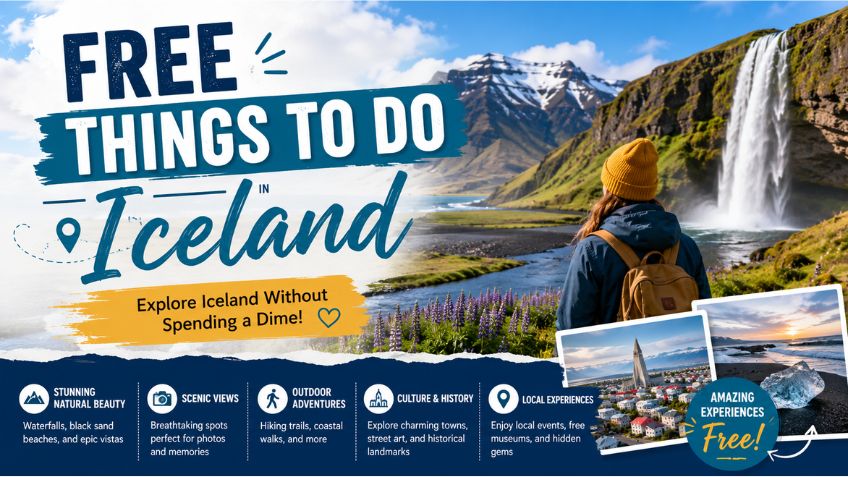
Iceland has a reputation for being expensive, and honestly, a lot of that reputation is earned. A single meal out can run higher than you'd expect, guided tours add up fast, and the Blue Lagoon alone can eat into a decent chunk of your travel budget. What most guides don't tell you is that some of the best things to do in Iceland don't cost a single króna. Waterfalls, black sand beaches, glowing skies, and hidden corners of the countryside are sitting there for free, and in many cases, they're more memorable than the paid attractions right next to them.
This guide walks through the free things to do in Iceland, along with a few hidden gems most first-time visitors never find, honest safety notes, and practical advice for putting together a trip that doesn't rely on an expensive package to be worthwhile.
Whether you're planning a short layover extension on the way to Europe or a dedicated Iceland vacation, the goal here is the same: show you where the real value is, without pretending the free stuff is somehow a lesser version of the paid experience. In a lot of cases, it's the opposite.
Why Iceland Is Worth Visiting, Even on a Budget
Iceland's landscape does most of the heavy lifting when it comes to justifying the trip. Glaciers, volcanic fields, waterfalls, and coastline sit within a few hours of each other, something that's genuinely rare on this scale. The high costs travelers run into usually come from imported food, guided tours, and accommodation, not from the experiences themselves. Once you understand that distinction, it becomes a lot easier to build a trip around nature, which is free, rather than around organized activities, which usually aren't.
It also helps that Iceland is a small country with a relatively simple road network built around Route 1, the Ring Road that circles the island. That means even a modest budget stretches further here than it would somewhere requiring constant paid transport between sights.
Population-wise, Iceland is tiny, with roughly 370,000 residents spread across a country slightly larger than Kentucky, and about a third of that population lives in the greater Reykjavik area. That means once you leave the capital, you'll often find yourself with an entire waterfall, beach, or overlook practically to yourself, especially outside peak summer months.
Best Time to Visit for Free Outdoor Experiences
Summer, roughly June through August, brings nearly 24 hours of daylight, which makes it the easiest season for packing in free outdoor sightseeing without racing the clock. Winter, on the other hand, is your best shot at the Northern Lights, arguably the single best free experience Iceland offers, though it comes with shorter days and more unpredictable road conditions. Shoulder seasons, particularly September and late April, tend to offer a workable middle ground: fewer crowds, milder costs, and a decent shot at seeing both daylight landscapes and night skies, depending on when you go.
Free Things to Do in Reykjavik
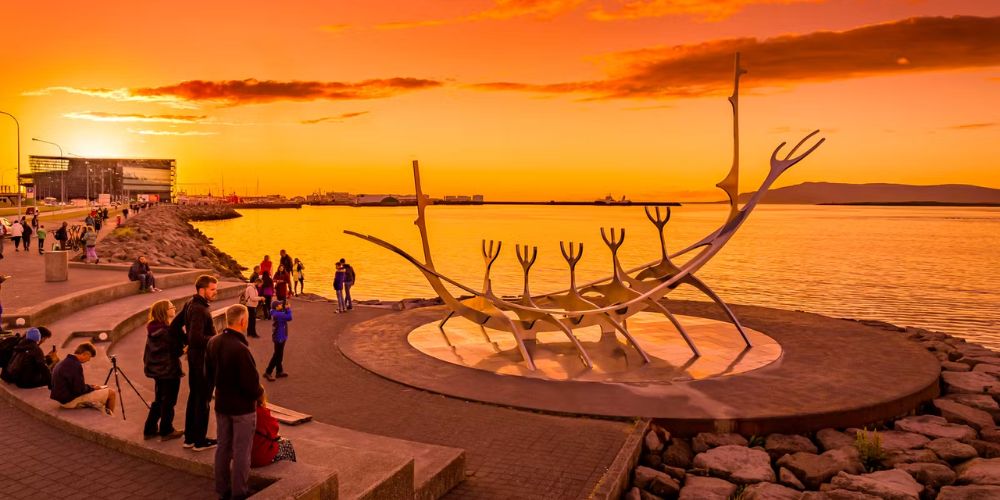
Reykjavik itself holds up well for a free day of sightseeing before you head out into the countryside. Hallgrímskirkja, the towering church that dominates the skyline, costs nothing to admire from outside, and the surrounding streets make for one of the most photogenic walks in the city. Down by the waterfront, the Sun Voyager sculpture, a steel outline resembling a Viking ship facing the sea, is a popular free stop, especially around sunset.
Harpa Concert Hall is another spot worth wandering through. While concert tickets obviously cost money, the building's glass facade and interior are open to the public and worth a look purely for the architecture. The waterfront path connecting these sights runs along the coast for a good stretch, giving you mountain views across the bay without paying for a single attraction ticket. If you're visiting on a weekend, wandering through Reykjavik's flea market or simply walking the older residential streets near the city center gives a good, unfiltered sense of local life that doesn't show up in most paid tours.
Grótta Lighthouse, a short walk or bus ride from downtown, is another free stop worth adding to a Reykjavik day. It sits on a small tidal peninsula, meaning you'll want to check tide times before walking out, and it's become a popular quiet spot for watching sunsets or, on clear winter nights, the Northern Lights without leaving the city entirely. Public parks like Klambratún and Öskjuhlíð Hill, home to the Perlan building, also offer free walking paths and decent views over the city for anyone wanting a slower, low-cost afternoon.
Free Natural Wonders Across Iceland
Once you're outside the city, the list of free natural attractions gets considerably longer. Here are some of the standout stops that cost nothing to visit:
Thingvellir National Park: Part of the Golden Circle route, this UNESCO site sits where the North American and Eurasian tectonic plates meet, and simply walking the rift valley is free.
Geysir geothermal area: Home to Strokkur, a geyser that erupts every few minutes, viewable at no cost from the surrounding walking paths.
Gullfoss waterfall: One of Iceland's most powerful waterfalls, with viewing platforms open to the public year-round.
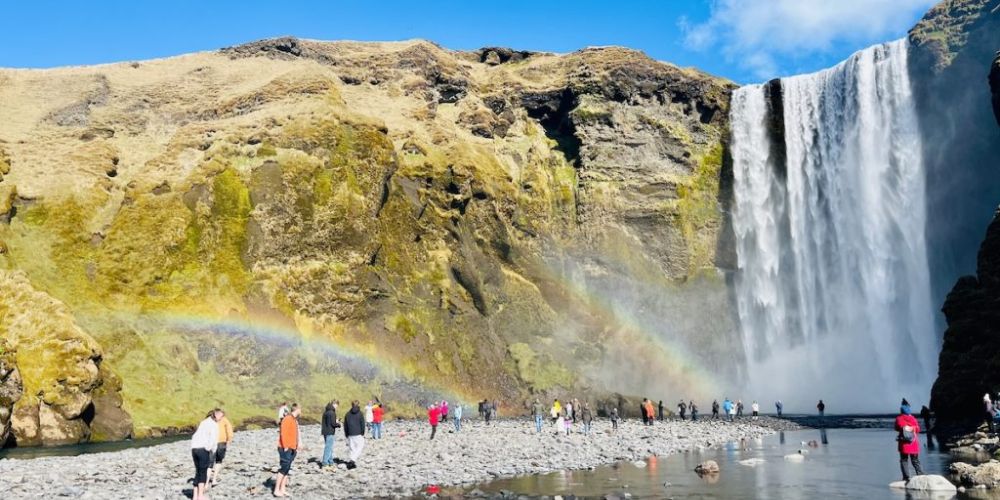
Seljalandsfoss and Skógafoss: Two of the most photographed waterfalls in the country, both accessible via free parking and short walking paths.
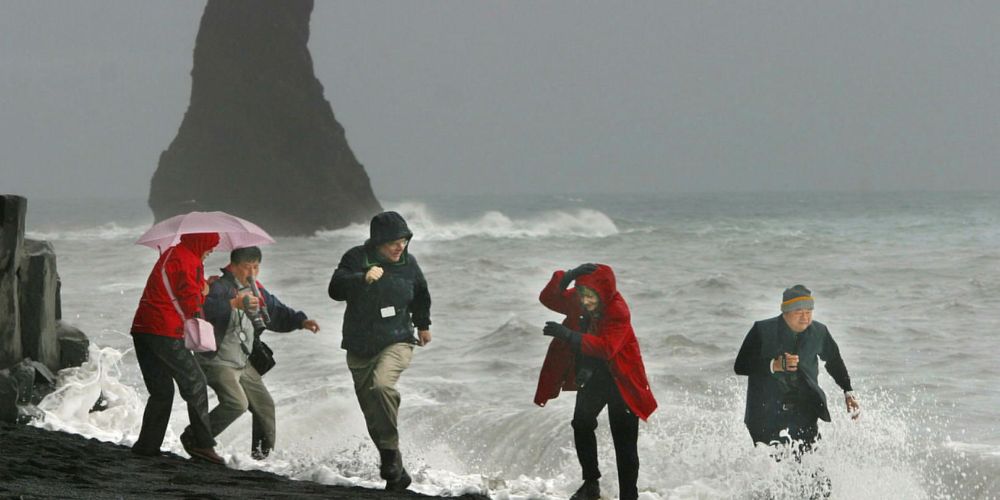
Reynisfjara black sand beach: A dramatic stretch of black volcanic sand near Vík, known for basalt columns, though it requires caution due to unpredictable waves.
Kerið crater lake: A striking volcanic crater with a small entrance fee at some points, though nearby viewpoints along the road offer a free look.
The Northern Lights: Entirely free and weather-dependent, best viewed away from city light pollution between roughly September and April.
Most of these sit along or near the Ring Road or the Golden Circle, meaning a single day trip can realistically cover several of them without a guided tour.
Hidden Gems in Iceland Most Tourists Miss
Beyond the well-known stops, there are a handful of hidden gems in Iceland that reward travelers willing to drive a bit further off the main routes. Kvernufoss, a lesser-known waterfall a short walk from the busier Skógafoss, lets you walk behind the falling water, something you can't do at its more famous neighbor, and it draws a fraction of the crowd. Djúpalónssandur, a black pebble beach on the Snæfellsnes Peninsula, has an eerie, almost otherworldly quality thanks to old shipwreck remains scattered along the shore.
Further north, the Westfjords region remains one of the least visited parts of the country, largely because it takes longer to reach, but travelers who make the trip describe dramatic fjords and near-empty roads that feel worlds away from the busier southern coast. Closer to Reykjavik, Gljúfrabúi, a waterfall tucked almost entirely inside a narrow canyon, is easy to miss unless you know to look for the gap in the rock face, and it rewards anyone willing to get their feet a little wet to see it up close.
On the South Coast, Fjaðrárgljúfur canyon has grown more popular in recent years but still sees a fraction of the crowds found at Seljalandsfoss or Skógafoss, and its winding, moss-covered walls make for one of the more striking short hikes in the country. Further along, the black church of Búðir on the Snæfellsnes Peninsula sits almost alone against a backdrop of lava fields and mountains, making it one of the more photographed yet oddly under-visited spots in the country, largely because it requires a deliberate detour rather than sitting directly on the main road.
What to Do in Iceland During a Short Vacation
If you're working with a shorter Iceland vacation, say three to five days, it's entirely possible to build an itinerary around free and low-cost stops without feeling like you're missing out. A common approach is to spend the first day exploring Reykjavik on foot, then dedicate a full day to the Golden Circle route, covering Þingvellir, Geysir, and Gullfoss in a single loop. A third day heading along the South Coast toward Vík covers Seljalandsfoss, Skógafoss, and Reynisfjara, three major sights within a few hours of each other.
For travelers with a bit more time, a detour to the Snæfellsnes Peninsula rounds out the trip with dramatic coastal scenery and fewer crowds than the more heavily trafficked routes. This kind of self-driven loop tends to hit most of the best places to visit in Iceland without requiring a rigid tour schedule, and it leaves room to stop wherever the scenery looks worth it, which is often.
Iceland Travel Warning: What You Should Know Before You Go
No honest Iceland guide should skip this part. Iceland remains a fundamentally safe country to visit, but it's also a country shaped by active geology, and recent years have made that more visible than usual. The Reykjanes Peninsula, roughly 50 kilometers southwest of Reykjavik, has experienced repeated volcanic activity since 2021, following centuries of dormancy. Eruptions in this region tend to be localized and closely monitored by Icelandic authorities, and flights through Keflavík International Airport have continued operating normally through past eruptions.
That said, conditions can shift quickly. Government travel advisories from multiple countries note that Iceland remains generally safe but recommend staying informed through official channels like Safe Travel Iceland and the Icelandic Meteorological Office, both of which post regular updates on road closures, air quality, and any active exclusion zones. Weather is arguably a bigger everyday risk than volcanic activity for most travelers. Conditions can change fast, rural roads can become hazardous with little warning, and driving in winter across parts of the Ring Road requires real caution. Petty theft, while not common, has also been noted around some of the more crowded tourist sites, so keeping an eye on valuables in busy parking areas is a reasonable precaution.
None of this should discourage a trip. It should just shape how you plan one. Check current conditions before heading out each day, respect any posted closures near volcanic areas without exception, and treat driving in Iceland's more remote regions with the same seriousness you would treat any unfamiliar winter driving conditions.
It's also worth building in a comprehensive travel insurance policy that covers weather-related trip disruption, since flight delays and road closures tied to storms are far more common here than most travelers expect. Carrying some cash alongside cards is a small but sensible precaution too, since electronic payment systems can go down during severe weather events, even though most places in Iceland otherwise run almost entirely cashless.
Do You Need an Iceland Trip Package, or Can You DIY It?
Whether an Iceland trip package makes sense really depends on how comfortable you are planning and driving independently. Packages can simplify logistics, particularly for guided access to active volcanic areas or ice cave tours that require specialized equipment and local expertise. They also take the guesswork out of scheduling if your time is limited.
That said, given how many of the country's best experiences, waterfalls, black sand beaches, the Northern Lights, cost nothing to see, a self-planned trip built around a rental car often ends up cheaper and more flexible than a packaged tour. The Ring Road and Golden Circle are both well-signed and manageable for most confident drivers, especially outside of peak winter conditions. A reasonable middle ground many travelers land on is a DIY base itinerary with one or two add-on guided experiences booked separately, such as a glacier hike or a volcano viewing tour, for the specific activities that genuinely benefit from expert guidance.
Final Thoughts
Iceland earns its reputation as an expensive destination, but that reputation mostly applies to food, tours, and accommodation, not to the landscape itself. Waterfalls, black sand beaches, national parks, and the Northern Lights are all free to experience, and several of the country's most memorable hidden gems don't show up on paid tour itineraries at all. With a bit of planning, a rental car, and a reasonable respect for Iceland's weather and geology, it's entirely possible to build a trip around the things that cost nothing and still come away with the kind of memories most travelers pay a premium for.