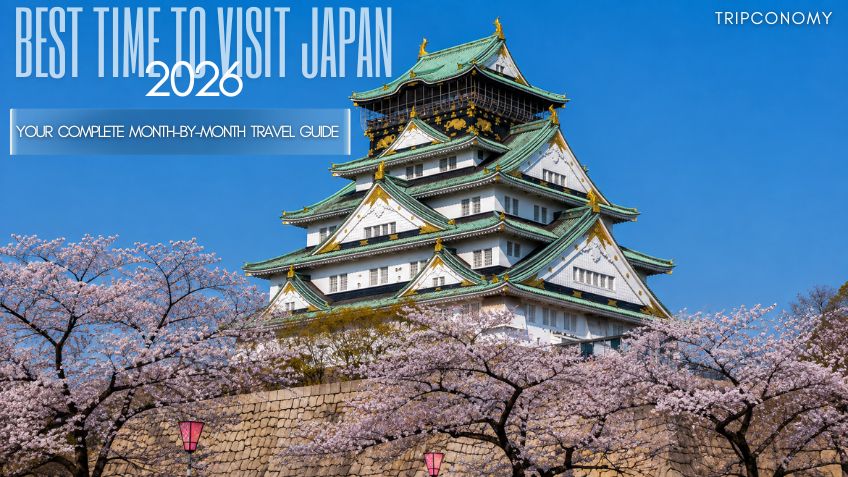
Japan is one of those destinations that feels different every time you visit. In spring, parks burst into soft pink cherry blossoms. Summer brings lively festivals and fireworks. Autumn paints mountains in shades of red and gold, while winter transforms the countryside into a snowy paradise. The best time to visit Japan in 2026 depends on the experiences you want, your budget, and how you feel about crowds.
Whether you're planning your first trip or returning to explore new regions, choosing the right season can make a big difference. Weather, festivals, hotel prices, and tourist numbers change throughout the year, so understanding what each month offers will help you plan a better trip.
In this guide, you'll learn everything from the best time to visit Japan in 2026 to the ideal months for cherry blossoms, autumn foliage, skiing, city sightseeing, and budget travel. We'll also cover weather patterns, when to avoid peak crowds, and how long to stay in Japan for an unforgettable vacation.
Quick Answer: What Is the Best Time to Visit Japan in 2026?
If you're looking for the best overall experience, March to May (spring) and September to November (autumn) are the best times to visit Japan in 2026.
Spring (March–May): Cherry blossoms, pleasant temperatures, beautiful parks, and seasonal festivals.
Autumn (September–November): Comfortable weather, colorful maple leaves, fewer rainy days, and fantastic sightseeing.
Winter (December–February): Best for skiing, snow festivals, hot springs, and fewer tourists.
Summer (June–August): Great for festivals, hiking, and beaches, but expect high humidity and occasional typhoons.
Best Overall Months: April, May, October, and November
Why Visit Japan in 2026?
Japan continues to be one of the world's most rewarding travel destinations because every season offers something unique. From historic temples and vibrant cities to peaceful countryside villages, there's always something new to discover.
Here are a few reasons why 2026 is a great year to visit:
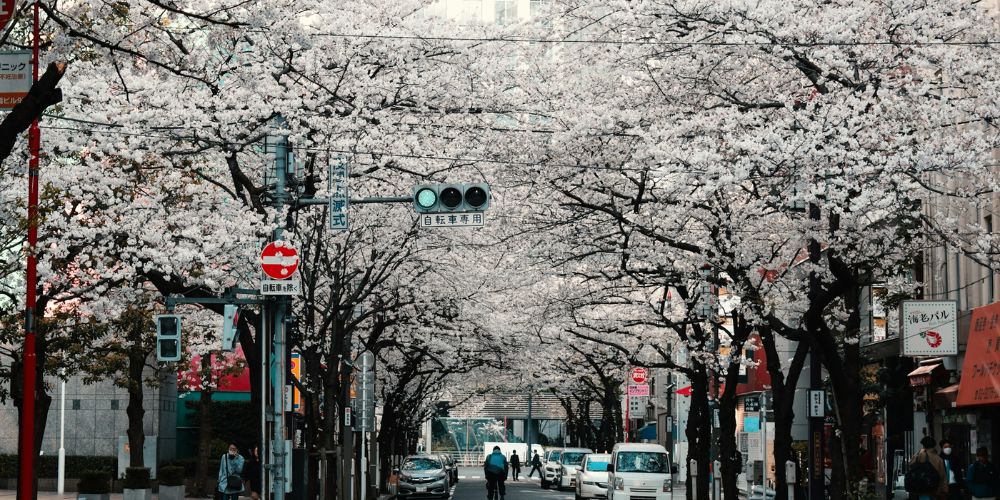
World-famous cherry blossoms in spring
Spectacular autumn foliage across the country
Rich cultural festivals throughout the year
Efficient public transportation that makes exploring easy
Delicious regional cuisine in every season
Excellent shopping, entertainment, and nightlife
Ski resorts with some of the world's best powder snow
Beautiful gardens, castles, shrines, and UNESCO World Heritage Sites
Whether you're traveling solo, with family, or on your honeymoon, Japan offers experiences that suit every type of traveler.
Japan Weather at a Glance
Japan stretches from north to south, so the weather varies depending on the region. While Hokkaido experiences long, snowy winters, Okinawa enjoys a subtropical climate almost year-round.
Season | Months | Temperature | Best For |
Spring | March–May | 10°C–23°C | Cherry blossoms, sightseeing, gardens |
Summer | June–August | 22°C–35°C | Festivals, beaches, hiking |
Autumn | September–November | 12°C–25°C | Fall foliage, photography, outdoor activities |
Winter | December–February | -5°C–12°C | Skiing, snow festivals, hot springs |
Month-by-Month Snapshot
Month | Weather | Crowd Level | Recommended |
January | Cold | Low | ⭐⭐⭐⭐☆ |
February | Cold & Snowy | Low | ⭐⭐⭐⭐☆ |
March | Mild | High | ⭐⭐⭐⭐⭐ |
April | Warm | Very High | ⭐⭐⭐⭐⭐ |
May | Pleasant | High | ⭐⭐⭐⭐⭐ |
June | Rainy | Medium | ⭐⭐⭐☆☆ |
July | Hot & Humid | High | ⭐⭐⭐☆☆ |
August | Very Hot | High | ⭐⭐⭐☆☆ |
September | Warm | Medium | ⭐⭐⭐⭐☆ |
October | Cool & Comfortable | Medium | ⭐⭐⭐⭐⭐ |
November | Crisp & Sunny | Medium | ⭐⭐⭐⭐⭐ |
December | Cool | Low | ⭐⭐⭐⭐☆ |
What Makes Japan's Seasons So Special?
Unlike many destinations where the weather stays fairly consistent, Japan changes dramatically throughout the year. Each season brings different landscapes, seasonal foods, festivals, and outdoor activities.
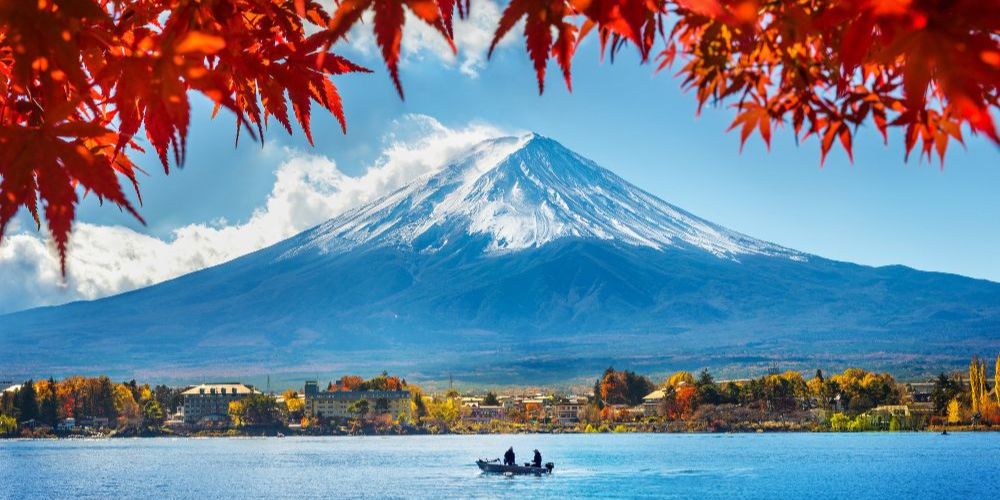
Spring is known for cherry blossoms, while autumn offers breathtaking maple leaves that attract photographers from around the world. Summer is filled with traditional festivals, fireworks, and mountain adventures, whereas winter is perfect for snow lovers seeking ski resorts and relaxing hot springs.
Because these seasonal changes are so distinct, many travelers return to Japan multiple times to experience a different side of the country each year.
Spring in Japan (March–May): The Most Popular Time to Visit
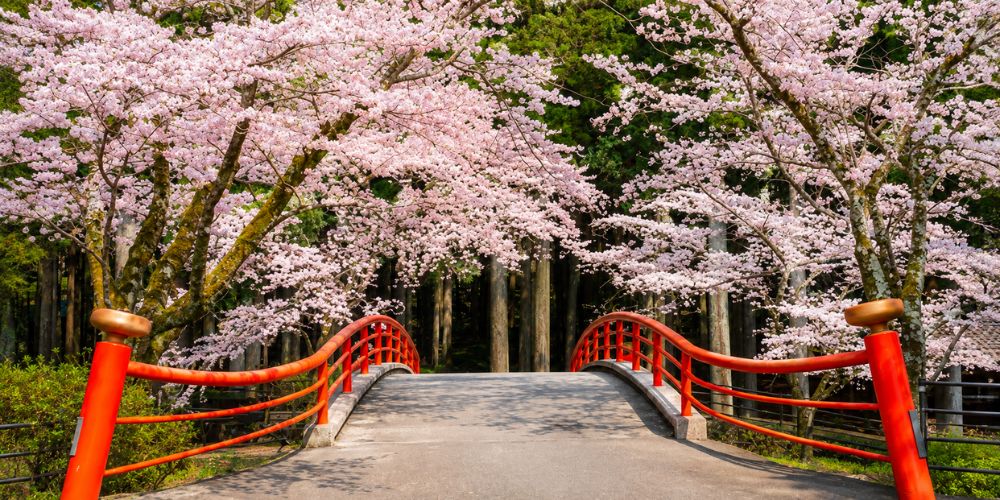
If you're wondering about the best time to visit Japan in 2026, spring is the season most travelers recommend. Comfortable temperatures, blooming cherry blossoms, colorful parks, and exciting festivals make March through May the busiest and arguably the most beautiful time of the year.
Spring is ideal for first-time visitors because you'll enjoy pleasant weather that's perfect for sightseeing. Whether you're walking through Kyoto's historic streets, exploring Tokyo's parks, or hiking around Mount Fuji, you'll spend more time outdoors without dealing with the extreme heat or cold.
Good to Know: Spring is also one of Japan's busiest travel seasons. Book flights and hotels several months in advance, especially if you're planning to visit during cherry blossom season or Golden Week.
Japan in March: The Start of Spring
March marks the beginning of spring across most of Japan. Temperatures gradually rise, plum blossoms give way to cherry blossoms, and cities begin preparing for one of the country's most celebrated seasons.
While northern Japan is still experiencing cold weather, central and southern regions become much more comfortable for sightseeing.
Why Visit Japan in March?
Cherry blossom season begins in southern Japan.
Comfortable weather for walking tours.
Fewer crowds during the first half of the month.
Great time to visit temples, gardens, and historical sites.
Seasonal foods are beginning to appear across the country.
Best Things to Do
Visit Ueno Park in Tokyo.
Explore Kyoto's temples before peak crowds.
Take a day trip to Nara.
Enjoy early cherry blossom festivals.
Visit Mount Yoshino, one of Japan's most famous sakura destinations.
Packing Tips
Bring light jackets, sweaters, comfortable walking shoes, and a compact umbrella. Temperatures can still be cool in the mornings and evenings.
Japan Cherry Blossom 2026: Best Time to Visit
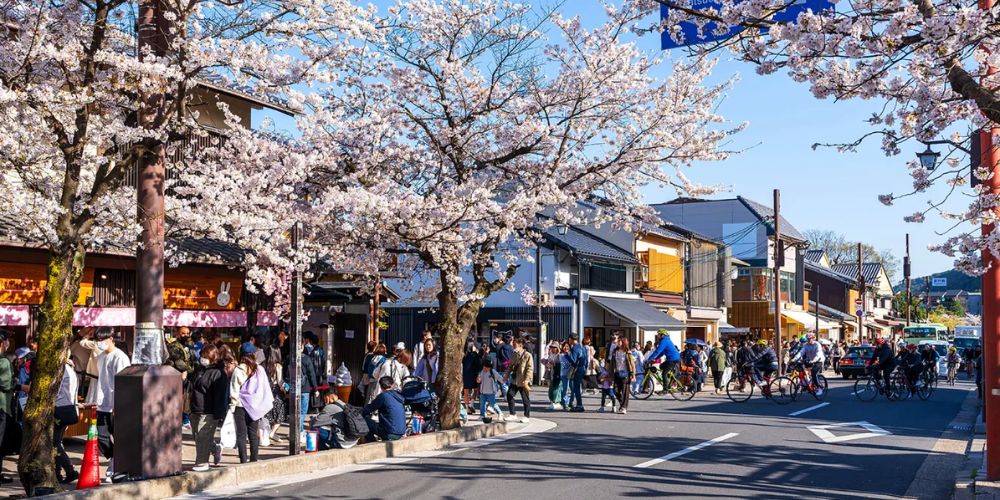
Cherry blossom season is one of the biggest reasons people travel to Japan. While exact bloom dates vary depending on weather conditions, blossoms typically appear from late March through early April across much of the country.
Peak bloom only lasts about a week, so timing your trip carefully is important.
Travel Tip: Bloom dates can shift each year depending on temperatures. Check the latest sakura forecast a few weeks before your trip.
Best Places to See Cherry Blossoms
Tokyo – Ueno Park, Shinjuku Gyoen, Chidorigafuchi
Kyoto – Maruyama Park, Philosopher's Path
Osaka – Osaka Castle Park
Nara – Nara Park
Himeji – Himeji Castle
Mount Yoshino – One of Japan's most iconic cherry blossom destinations
Japan April Weather
April is often considered the best month to visit Japan. Cherry blossoms continue in many areas, gardens are in full bloom, and the weather is comfortably warm without the intense humidity of summer.
This is also one of the country's busiest tourism months, so expect popular attractions to be crowded.
The temperature in Japan in April makes sightseeing enjoyable throughout the day. Most travelers only need light layers during daytime, while evenings may require a light jacket.
Temperature in Japan in April
One of the reasons April is so popular is its mild climate. Across much of Japan, daytime temperatures range between 15°C and 22°C, depending on the region.
You'll rarely experience extreme weather, making it easy to spend full days exploring cities, gardens, temples, and outdoor attractions.
What to Wear
Long-sleeve shirts
Light sweaters
Comfortable jeans or trousers
Sneakers
Thin waterproof jacket
Sunglasses
Visiting Japan in May
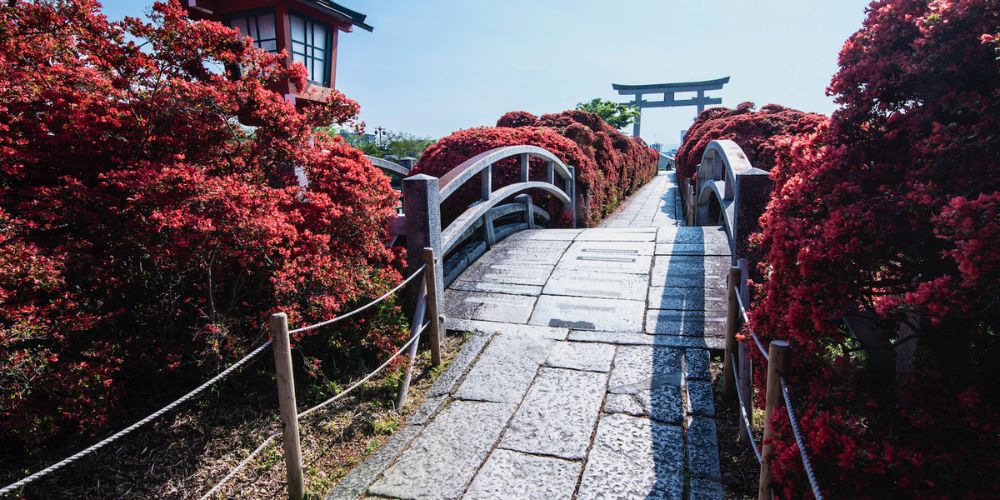
May is another fantastic month for travelers. By now, cherry blossom season has ended in most of Japan (except parts of Hokkaido), but the weather remains warm, sunny, and ideal for outdoor adventures.
The biggest thing to keep in mind is Golden Week, a series of national holidays that usually falls from late April into early May. During this period, trains, hotels, and popular attractions become extremely busy as millions of Japanese residents travel around the country.
Why Visit Japan in May?
Warm but comfortable weather.
Clear skies for sightseeing.
Beautiful flower gardens.
Excellent hiking conditions.
Longer daylight hours.
Great season for cycling and nature trips.
Best Places to Visit in May
Fuji Five Lakes
Kamikochi
Kyoto
Hakone
Nikko
Hokkaido flower fields
Spring Festivals Worth Experiencing
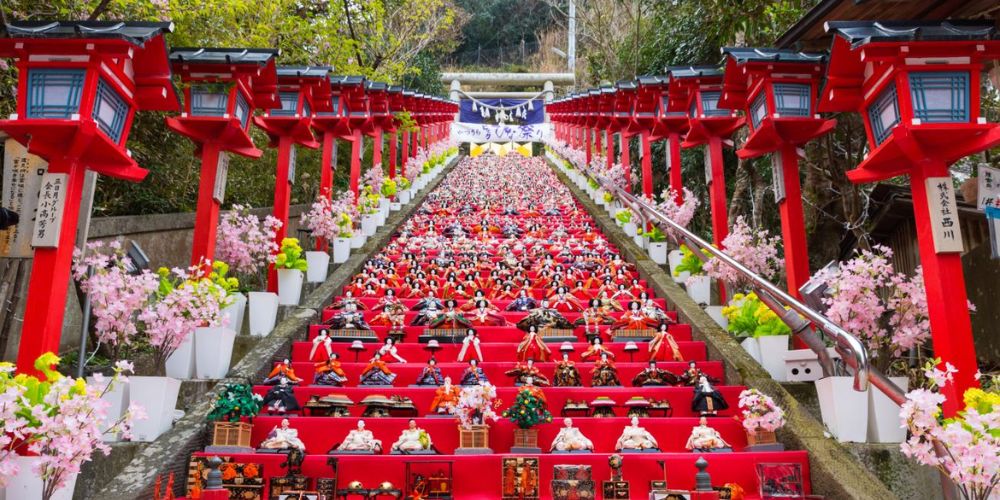
Spring isn't just about flowers, it's also one of the liveliest festival seasons in Japan.
Some of the most popular events include:
Festival | Location | Month |
Takayama Spring Festival | Takayama | April |
Miyako Odori | Kyoto | April |
Fuji Shibazakura Festival | Near Mount Fuji | April–May |
Kanda Matsuri (held in odd-numbered years) | Tokyo | May |
Aoi Matsuri | Kyoto | May |
These festivals offer a chance to experience traditional music, parades, local food, and centuries-old cultural customs.
Is Spring the Best Time to Go to Japan in 2026?
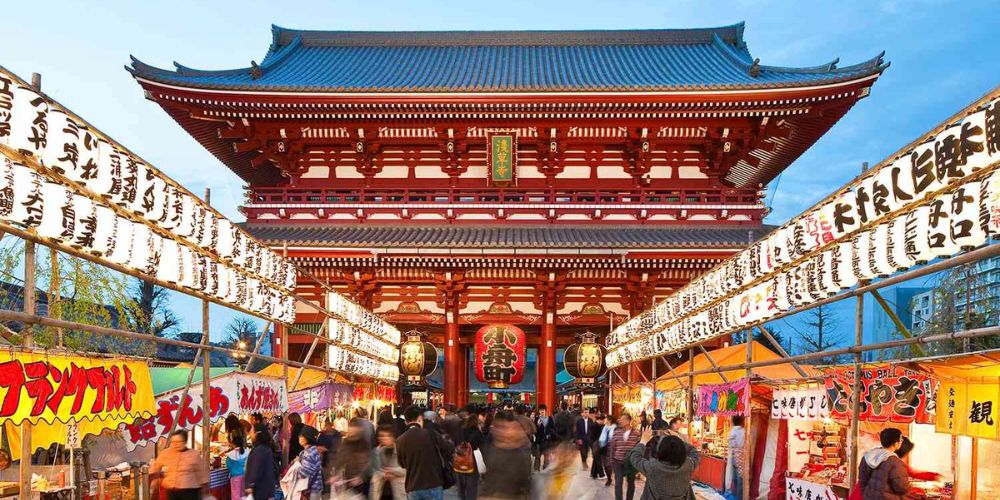
For many travelers, the answer is yes. Spring combines comfortable weather, iconic scenery, and a festive atmosphere that’s hard to beat. It’s especially appealing if you’re visiting Japan for the first time or hoping to experience the famous cherry blossoms.
That said, spring is also one of the busiest and most expensive seasons. If you prefer fewer crowds or lower prices, autumn may be a better fit. We’ll explore that in the next section.
Spring Travel Tips
Reserve flights and hotels 3–6 months in advance if you're traveling during cherry blossom season.
Avoid Golden Week if you want lower prices and fewer crowds.
Start sightseeing early in the morning to enjoy popular attractions before they get busy.
Carry a refillable water bottle and comfortable walking shoes you'll likely spend a lot of time outdoors.
Keep a light jacket handy, as evenings can still feel cool in March and early April.
Summer in Japan (June–August): Festivals, Beaches & Adventure
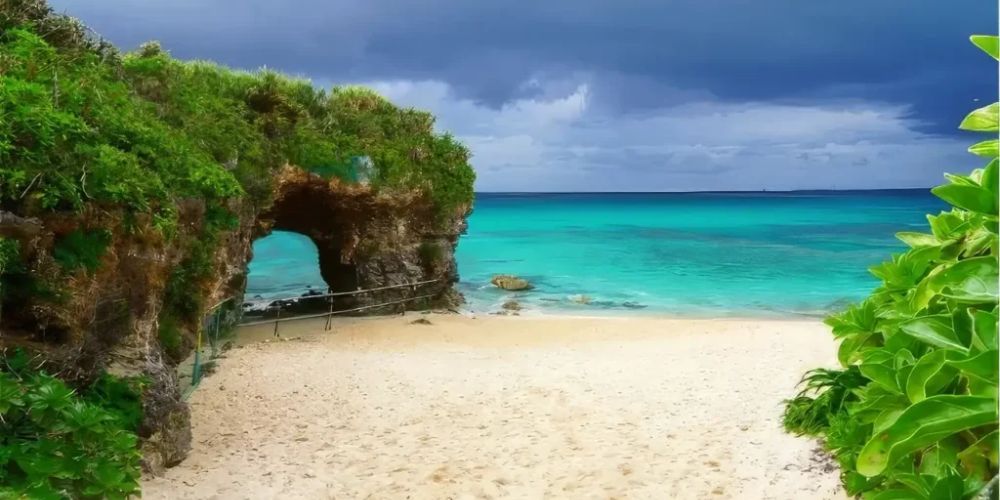
Summer in Japan is vibrant, energetic, and full of cultural experiences. From spectacular fireworks displays and centuries-old festivals to mountain hiking and tropical beaches, there's no shortage of things to do. However, it's also the hottest and most humid season, and parts of the country experience the rainy season and typhoons.
If you don't mind warm weather, summer can be a rewarding time to visit, especially if you're interested in Japanese festivals or outdoor adventures.
Japan Summer Weather (June–August)
Summer weather varies across Japan. Northern regions like Hokkaido remain relatively mild, while cities such as Tokyo, Kyoto, and Osaka can become hot and humid.
Month | Average Temperature | Weather |
June | 20°C–28°C | Warm with frequent rain |
July | 24°C–34°C | Hot, humid, festival season |
August | 25°C–35°C | Hottest month, sunny with occasional typhoons |
Humidity often makes the weather feel warmer than the actual temperature, so staying hydrated is important.
June: Rainy Season Begins
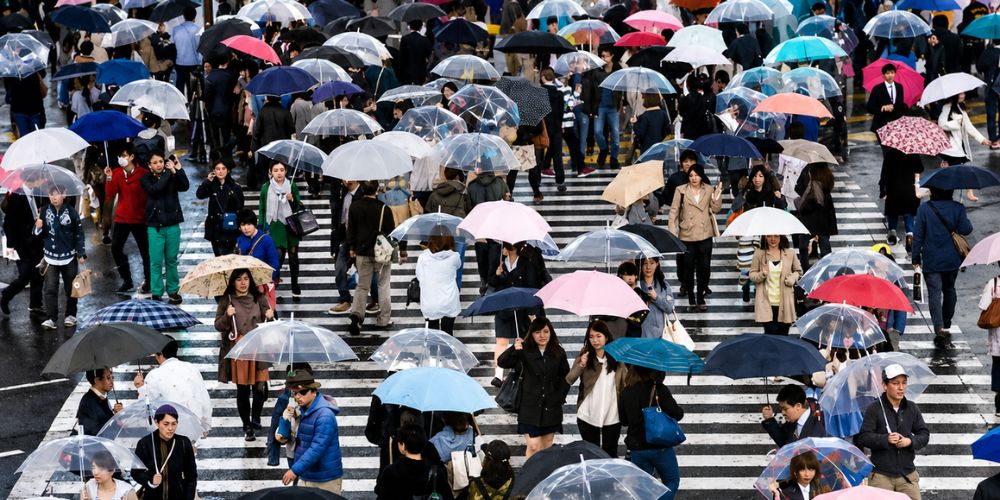
June marks the beginning of the tsuyu, or rainy season, across much of Japan. While it doesn't rain all day, you'll experience regular showers and overcast skies.
Pros of Visiting in June
Fewer tourists than spring.
Lower hotel prices in many destinations.
Beautiful hydrangea flowers bloom nationwide.
Lush green landscapes.
Cons
Frequent rainfall.
Higher humidity.
Outdoor activities may be affected.
Best Places to Visit
Kamakura (Hydrangea season)
Hakone (Hot springs)
Hokkaido (Generally drier weather)
Okinawa (Beach season begins)
July: Festival Season Begins
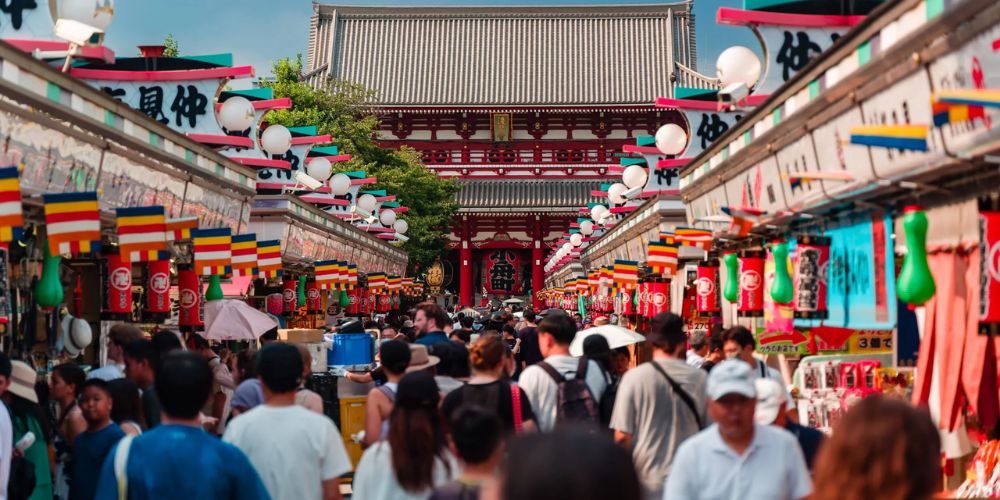
July is one of Japan's most exciting months thanks to its famous summer festivals, known as matsuri.
Visitors can enjoy colorful parades, traditional performances, street food, fireworks, and people wearing yukatas (summer kimonos).
Popular July Festivals
Festival | Location |
Gion Matsuri | Kyoto |
Sumidagawa Fireworks Festival | Tokyo |
Tenjin Matsuri | Osaka |
These festivals offer a unique glimpse into Japanese culture and are unforgettable experiences for many travelers.
August: Fireworks, Beaches & Mountain Escapes
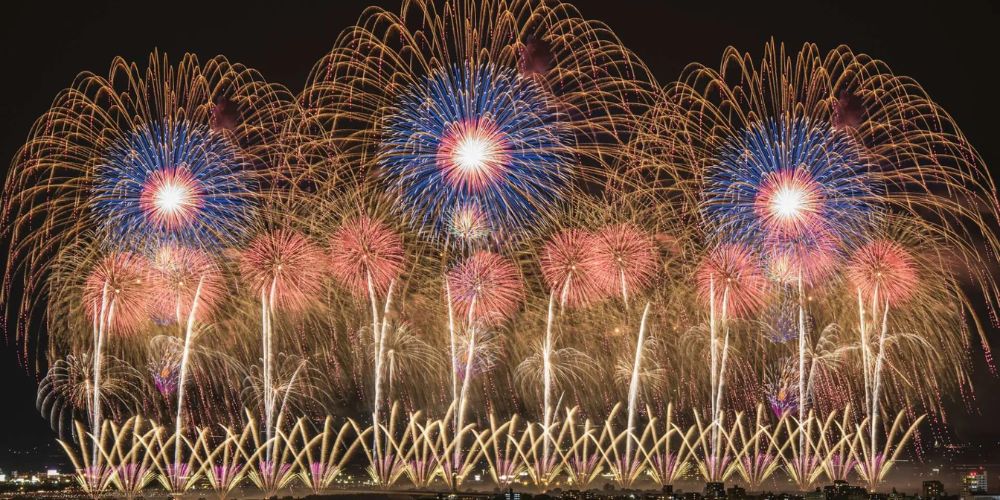
August is typically the hottest month of the year. Coastal destinations become popular with beachgoers, while mountain regions provide cooler temperatures for hiking.
Best Things to Do in August
Relax on Okinawa's beaches.
Climb Mount Fuji during the official climbing season.
Attend traditional Bon Odori festivals.
Watch spectacular fireworks displays.
Escape the heat in Hokkaido or the Japanese Alps.
How Long Is Summer Vacation in Japan?
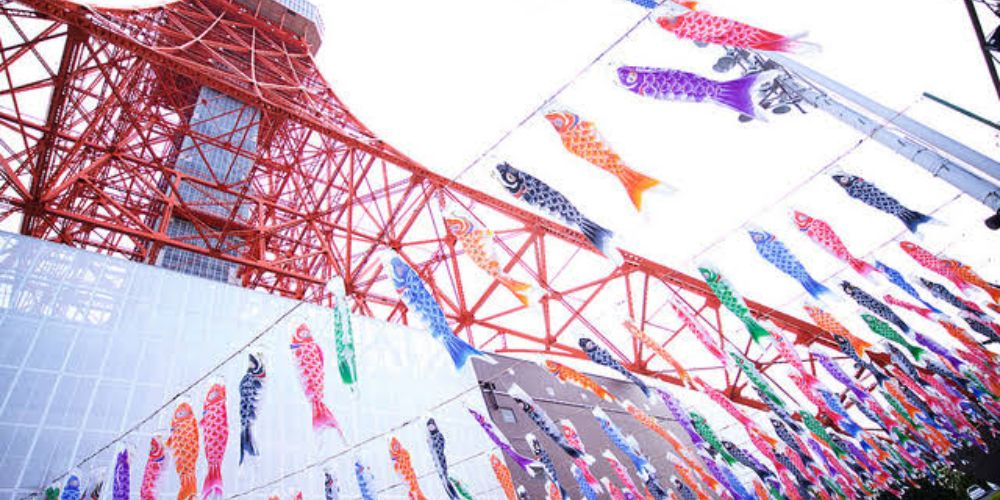
For most elementary, junior high, and high school students in Japan, summer vacation usually lasts around five to six weeks, generally from late July until the end of August. Universities often have a longer summer break, which may extend into September.
Because many families travel during this period, you'll notice:
Increased demand for hotels.
Crowded trains and airports.
Higher accommodation prices.
Busy tourist attractions.
If you're traveling in late July or August, booking transportation and hotels well in advance is highly recommended.
Best Summer Destinations
If you're visiting Japan during summer, these destinations offer some of the best seasonal experiences.
Destination | Best For |
Hokkaido | Cooler temperatures, lavender fields |
Okinawa | Beaches, snorkeling, diving |
Mount Fuji | Hiking |
Japanese Alps | Nature and hiking |
Kyoto | Traditional festivals |
Tokyo | Fireworks and city events |
Summer Travel Tips
Wear lightweight, breathable clothing.
Carry sunscreen, sunglasses, and a hat.
Drink plenty of water throughout the day.
Use cooling towels or portable fans to stay comfortable.
Plan outdoor sightseeing in the early morning or evening to avoid peak heat.
Spring is ideal for comfortable sightseeing and cherry blossoms, while summer is perfect for festivals, beaches, and outdoor adventures.
When to Avoid Travel to Japan in 2026
Although Japan is a fantastic destination year-round, there are certain periods when travel can be more challenging due to crowds or weather.
Golden Week (Late April–Early May)
Golden Week is one of Japan's busiest holiday periods. Millions of domestic travelers take vacations during this time, leading to:
Fully booked hotels.
Expensive flights.
Crowded trains.
Long lines at popular attractions.
If your travel dates overlap with Golden Week, reserve flights, hotels, and rail passes several months in advance.
Peak Typhoon Season (August–September)
Late summer and early autumn bring the highest chance of typhoons, particularly in southern and coastal regions.
While not every trip is affected, travelers should:
Monitor weather forecasts.
Purchase travel insurance.
Allow flexibility in travel plans.
Be prepared for occasional transportation delays.
Most typhoons pass within a day or two, but it's wise to stay informed if you're traveling during this period.
Autumn in Japan (September–November): Crisp Weather & Stunning Fall Colors
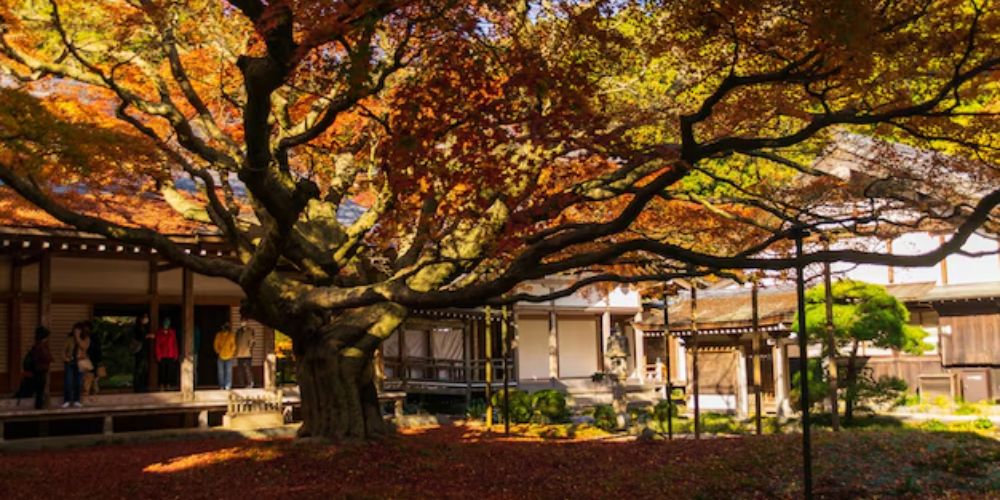
After the hot and humid summer, autumn brings cooler temperatures, lower humidity, and breathtaking scenery. For many travelers, this is just as beautiful as cherry blossom season if not better. Mountains, parks, temples, and gardens transform into shades of red, orange, and yellow, creating some of Japan's most photogenic landscapes.
If you're looking for pleasant weather, fewer crowds than spring, and incredible natural beauty, autumn is one of the best times to visit Japan in 2026.
Visiting Japan in September
September marks the transition from summer to autumn. Early in the month, temperatures are still warm, but by the end of September, the weather becomes noticeably cooler in many regions.
It's also the tail end of the typhoon season, so checking the forecast before your trip is a good idea.
Why Visit in September?
Smaller crowds after summer vacation.
Comfortable weather later in the month.
Early autumn scenery in northern Japan.
Seasonal food festivals.
Better hotel availability compared to spring.
Things to Keep in Mind
Early September can still feel hot and humid.
Occasional typhoons may affect travel plans.
Pack light clothing along with a light jacket for cooler evenings.
October: One of the Best Months to Visit Japan
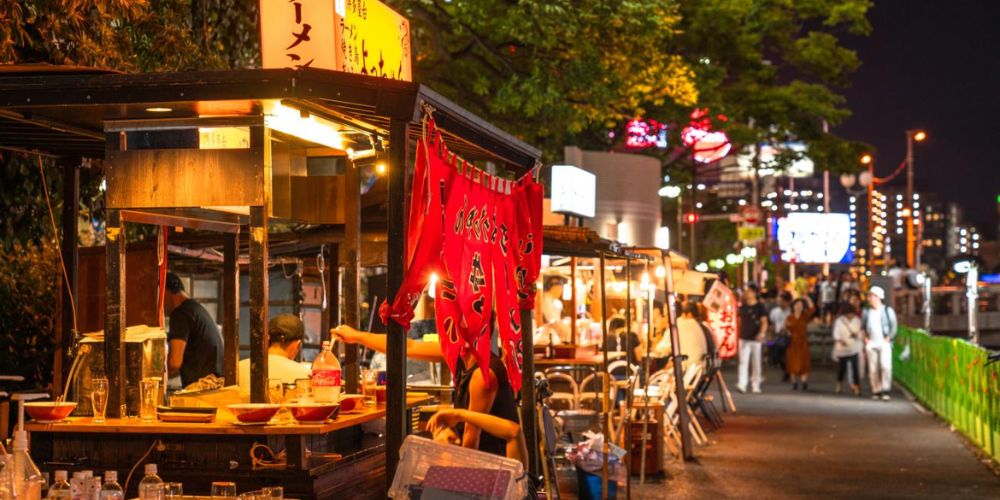
Is October a Good Time to Visit Japan?
Absolutely. October is widely considered one of the best months to visit Japan. The weather is cool, dry, and comfortable, making it ideal for sightseeing, hiking, and exploring both cities and countryside destinations.
Average daytime temperatures range between 15°C and 25°C, depending on the region, allowing you to spend long hours outdoors without the intense summer heat or winter cold.
Why October Is So Popular
Pleasant temperatures.
Low humidity.
Clear skies.
Beautiful autumn colors begin appearing in northern and mountainous areas.
Great conditions for walking tours and photography.
Best Places to Visit in October
Kyoto
Nikko
Kanazawa
Kamikochi
Japanese Alps
Hakone
November: Peak Autumn Foliage Season
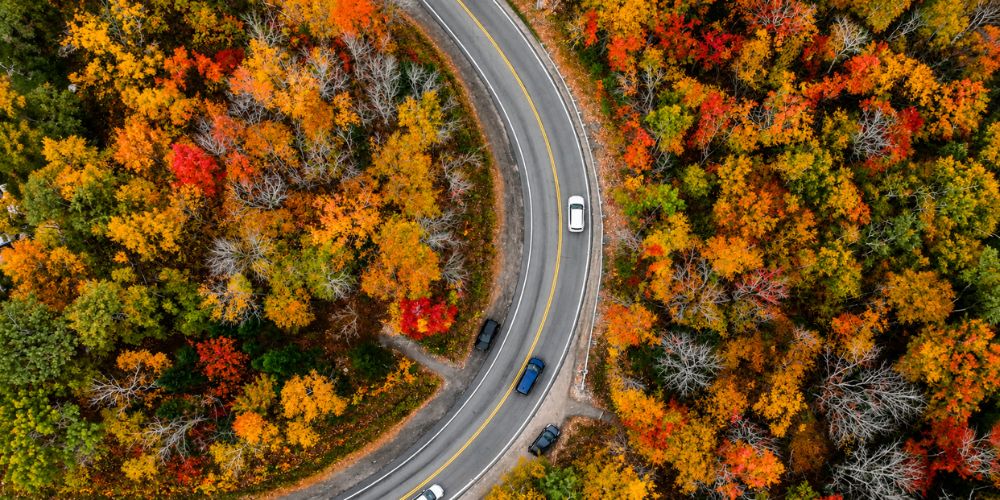
November is when autumn colors reach their peak across much of Japan. Maple trees and ginkgo avenues create spectacular scenery in parks, temples, and mountain landscapes.
Many travelers choose November specifically for the vibrant foliage and comfortable weather.
Best Autumn Foliage Destinations
Kyoto – Temple gardens and historic streets
Nikko – Colorful mountain scenery
Nara – Parks filled with maple trees
Arashiyama – Bamboo grove and autumn leaves
Mount Takao – Easy hiking with panoramic views
Lake Kawaguchiko – Fall colors with views of Mount Fuji
Japan Autumn Foliage: Best Time to Visit (2026)
Autumn foliage season begins in northern Japan during late September and gradually moves south, reaching many central and southern regions in November.
Typical Autumn Foliage Timeline
Region | Best Time |
Hokkaido | Late September–October |
Tohoku | October |
Tokyo | Mid-November–Early December |
Kyoto | Mid-November–Late November |
Osaka | Mid-November |
Kyushu | Late November |
The exact timing varies each year depending on weather conditions, but late October through November is generally the best period for viewing autumn leaves.
Winter in Japan (December–February)
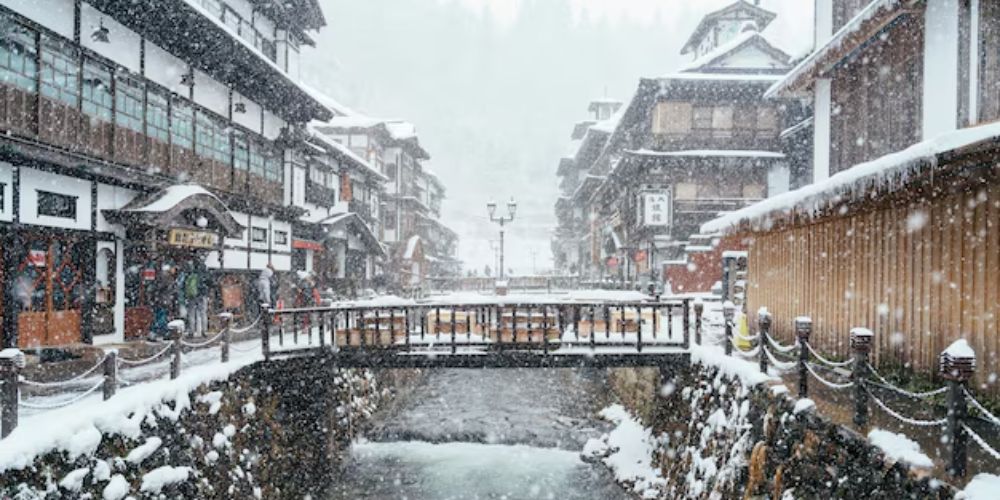
Winter offers a completely different side of Japan. Snow-covered villages, ski resorts, steaming hot springs, and seasonal festivals attract travelers from around the world.
While major cities like Tokyo and Osaka experience relatively mild winters, northern regions receive heavy snowfall, making Japan one of the world's top destinations for winter sports.
Japan in February
February is one of the best months for travelers who enjoy snow activities, winter scenery, and fewer crowds at major tourist attractions.
Average February Weather
City | Temperature |
Tokyo | 2°C–10°C |
Kyoto | 1°C–10°C |
Osaka | 3°C–11°C |
Sapporo | -7°C–0°C |
Why Visit Japan in February?
Excellent skiing and snowboarding conditions.
Fewer international tourists than spring.
Lower hotel prices in many cities (excluding ski destinations).
Beautiful snowy landscapes.
Relaxing hot spring experiences.
Japan Travel Seasons: Month Comparison
Month | Weather | Crowds | Best Activities |
January | Cold | Low | Skiing, onsen |
February | Cold | Low | Snow Festival, winter sports |
March | Mild | High | Cherry blossoms begin |
April | Warm | Very High | Peak cherry blossom season |
May | Pleasant | High | Hiking, sightseeing |
June | Rainy | Medium | Hydrangeas, museums |
July | Hot | High | Festivals |
August | Very Hot | High | Beaches, Mount Fuji |
September | Warm | Medium | Early autumn travel |
October | Cool | Medium | Hiking, sightseeing |
November | Cool | Medium | Autumn foliage |
December | Cold | Low | Christmas lights, hot springs |
How Long to Stay in Japan
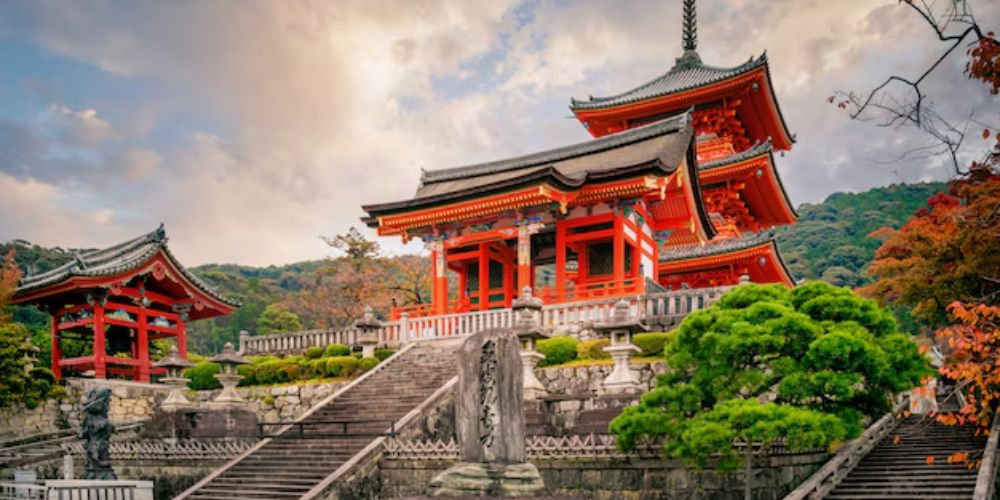
One of the most common questions travelers ask is, "How long should I stay in Japan?" The answer depends on your budget, travel style, and the number of destinations you want to explore.
While you can get a taste of Japan in a week, staying 10 to 14 days allows you to experience the country's diverse cities, cultural landmarks, natural landscapes, and local cuisine without feeling rushed.
Is 7 Days Enough?
Yes, if it's your first visit. A week gives you enough time to explore Japan's Golden Route:
3 Days in Tokyo
2 Days in Kyoto
2 Days in Osaka (including a day trip to Nara)
However, you'll need to keep a fairly fast pace.
Why 10 Days Is Ideal
For most travelers, 10 days is the sweet spot. You'll have enough time to:
Explore major cities.
Visit cultural landmarks.
Take scenic day trips.
Experience local food and nightlife.
Travel without feeling rushed.
Best Time to Visit Japan Based on Your Travel Style
Not every traveler has the same priorities. Here's a quick guide to help you decide.
Traveler Type | Best Months | Why? |
First-Time Visitors | April, May, October | Pleasant weather and iconic scenery |
Budget Travelers | February, June, Early December | Lower accommodation and flight prices |
Cherry Blossom Lovers | Late March–Early April | Peak sakura season |
Autumn Foliage Lovers | Late October–November | Vibrant fall colors |
Families | April, May, October | Comfortable weather for sightseeing |
Honeymooners | April & November | Romantic scenery and pleasant climate |
Ski Enthusiasts | January & February | Excellent snow conditions |
Festival Lovers | July & August | Traditional festivals and fireworks |
Beach Lovers | July & August | Okinawa and coastal destinations |
Food Travelers | Year-round | Seasonal specialties in every region |
So, What Is the Best Time to Visit Japan in 2026?
If you're planning just one trip, April, May, October, and November offer the best combination of comfortable weather, beautiful scenery, and memorable experiences.
Choose spring (March–May) if seeing cherry blossoms is at the top of your bucket list.
Visit in autumn (September–November) for colorful foliage, cooler temperatures, and excellent hiking conditions.
Travel in winter (December–February) if you love skiing, snow festivals, and relaxing in traditional hot springs.
Consider summer (June–August) if you're interested in vibrant festivals, fireworks, beaches, or climbing Mount Fuji.
No matter when you go, Japan offers a unique experience every season. The key is matching your travel dates with the activities and scenery that matter most to you.
Final Thoughts
Choosing the best time to visit Japan in 2026 ultimately comes down to the kind of trip you want. If it's your first visit, spring and autumn are hard to beat thanks to their comfortable weather and iconic scenery. Spring offers the magic of cherry blossoms, while autumn brings colorful landscapes and crisp, pleasant days.
If you're traveling on a budget, winter and the shoulder seasons can provide excellent value with fewer crowds. Meanwhile, summer is the best choice for travelers who want to experience lively festivals, fireworks, beaches, and outdoor adventures.
No matter when you visit, Japan offers a unique blend of tradition, modern attractions, incredible food, and breathtaking landscapes. Plan and book early for peak seasons, and you'll be rewarded with an unforgettable journey.