Alaska Tour Guides: The Complete 2026 Guide
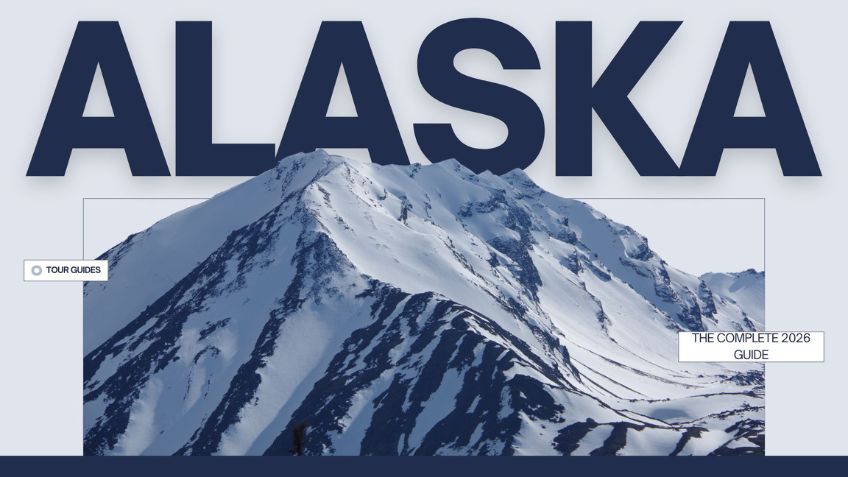
Alaska doesn't forgive bad planning. It's a million square miles of mountains, glaciers, and coastline with almost no highway grid connecting it, which is exactly why the right Alaska tour guides can turn an overwhelming bucket-list trip into the best vacation you've ever taken. Whether you're chasing grizzlies in Katmai, riding the Alaska Railroad into Denali, or just trying to figure out how to travel in Alaska without blowing your entire budget on flightseeing, this guide covers everything: when to go, where to go, what it costs, and how experienced local guides make the difference between a good trip and a great one.
Best Time to Travel to Alaska
The best time to travel to Alaska depends entirely on what you want out of the trip.
Season | Months | Best For | Trade-offs |
Peak Summer | Mid-June – Mid-August | Warmest weather, full activity access, Midnight Sun | Highest prices, biggest crowds |
Shoulder Season | Mid-May to mid-June, late August to mid-September | Lower prices, fall colors (Sept), fewer crowds | Cooler temps, some tours not yet running |
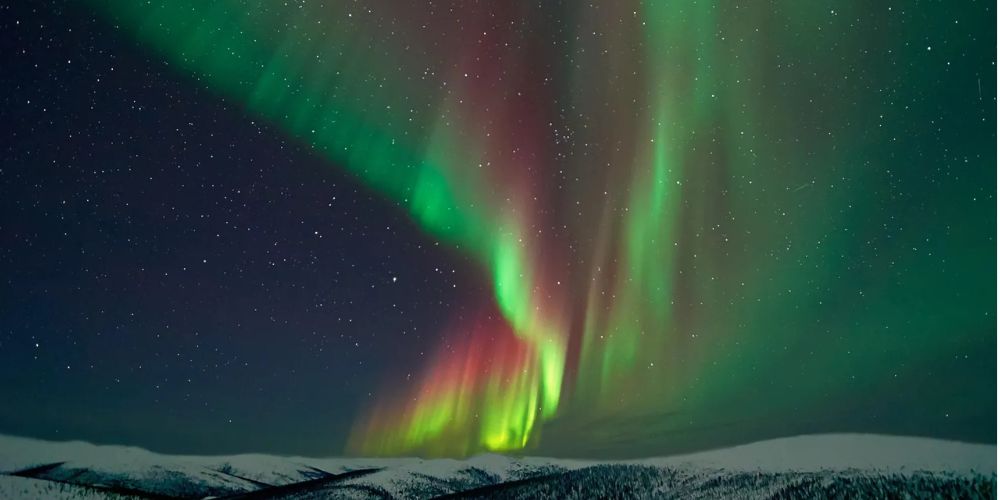
Winter | November – March | Northern Lights, dog sledding, lowest prices | Most summer infrastructure closed |
June and July generally bring the warmest, driest conditions and close to 24 hours of daylight thanks to Alaska's Midnight Sun, which lasts from roughly April through mid-August. August adds the best odds of catching salmon runs and, toward the end of the month, the first aurora sightings as nights start to darken again. If your priority is Alaska summer tourism hiking, glacier access, wildlife, and boat tours, plan for a trip between late May and early September, when the visitor season is fully open.
Best Places to Visit in Alaska This Summer
If you're wondering about the best places to visit in Alaska in the summer, these are the anchors most itineraries build around:
Denali National Park: Home to North America's tallest peak and some of the best odds anywhere for spotting grizzlies, moose, caribou, and Dall sheep from a park bus.
Kenai Fjords National Park (Seward): Glacier and wildlife cruises out of Seward are one of the most reliable ways to see calving glaciers and orcas in a single day.
Homer: The end-of-the-road town on Kachemak Bay, known for halibut fishing, artisan shops along the Homer Spit, and dramatic bay views.
Prince William Sound (Whittier/Valdez): Tidewater glaciers, sea kayaking, and far fewer crowds than the Anchorage–Seward corridor.
Talkeetna: A small, walkable mountain town and a launch point for Denali flightseeing.
Katmai National Park: The bucket-list bear-viewing destination, best from July through August during the salmon run.
These destinations also cover most of what people mean when they search for Alaska's most beautiful places or best destinations in Alaska: glacier-carved fjords, alpine tundra, and coastline that genuinely looks staged.
Best Cities in Alaska to Visit
When people ask about cities in Alaska to visit, they're usually looking for a home base, not just a photo stop. Here's how the main ones compare:
City | Why Visit | Good For |
Anchorage | Largest city, main airport hub, museums, easy day trips | First/last night, all trip styles |
Fairbanks | Northern Lights viewing, Chena Hot Springs, midnight sun in summer | Aurora trips, road-trip endpoint |
Juneau | State capital, only reachable by air or sea, Mendenhall Glacier | Cruise stops, whale watching |
Seward | Gateway to Kenai Fjords, small-town charm | Glacier cruises, families |
Sitka | Russian/Tlingit history, Sitka National Historical Park | Culture-focused trips |
Ketchikan | Totem poles, rainforest, salmon capital | Cruise stops, day tours |
For a first trip, most travel experts recommend flying into Anchorage and building a loop that includes at least one interior stop (Denali or Fairbanks) and one coastal stop (Seward, Whittier, or Homer), rather than trying to see the whole state on one visit.
Alaska's Most Beautiful Places
Beyond the major parks, a handful of spots consistently top "most beautiful" lists and are worth building extra time into your itinerary for:
Exit Glacier: One of the few glaciers in Alaska you can walk right up to without a boat or plane.
Turnagain Arm: The drive from Anchorage toward Seward, with beluga whale sightings and Dall sheep visible right from the highway.
Matanuska Glacier: A guided glacier walk that's drivable from Anchorage in about two hours.
Hatcher Pass: Alpine tundra, wildflowers, and old gold-mining ruins less than an hour from Anchorage.
Kachemak Bay (Homer): Where the mountains meet the sea, often called one of the most photographed views in the state.
Alaska Multi-Day Tours vs. Day Trips
Deciding between Alaska multi-day tours and standalone Alaska day trips usually comes down to how much time and flexibility you have.
Multi-day land tours (typically 7–10 days) bundle transportation, lodging, and activities into one price, moving you between Anchorage, Denali, and the Kenai Peninsula with a guide handling all the logistics. They're the least stressful option, especially for a first trip, but they're also the most expensive and least flexible.
Day trips let you build a custom trip at your own pace: a Kenai Fjords glacier cruise from Seward, a Denali flightseeing tour from Talkeetna, a bear-viewing flight from Anchorage or Homer while you handle your own driving and lodging in between. This route is usually cheaper overall and gives you more control over your schedule, but it requires more planning up front.
A popular middle ground: self-drive the Anchorage–Seward–Denali loop, then book two or three specific guided day trips for the experiences that actually require expertise: bear viewing, glacier hiking, or a Kenai Fjords cruise.
5 Days in Alaska: A Sample Itinerary
5 days in Alaska is enough time to hit the highlights of the Anchorage–Kenai Peninsula corridor without feeling rushed. Here's a realistic breakdown:
Day 1 – Anchorage: Land, settle in, walk the Coastal Trail or visit the Anchorage Museum. Grab dinner downtown.
Day 2 – Seward: Drive the Seward Highway (about 2.5 hours with stops at Beluga Point and Turnagain Arm), then take an afternoon Kenai Fjords glacier and wildlife cruise.
Day 3 – Seward to Girdwood/Exit Glacier: Hike Exit Glacier in the morning, then head back toward Girdwood for the afternoon.
Day 4 – Talkeetna or Matanuska Glacier: Choose a Denali flightseeing day from Talkeetna, or a guided walk on Matanuska Glacier; both are drivable day trips from Anchorage.
Day 5 – Anchorage: Museum or market visit in the morning, then departure.
This itinerary keeps driving times manageable and avoids the mistake most first-time visitors make: trying to combine Denali, Fairbanks, and the Kenai Peninsula into one short trip and spending most of it in the car.
Weekend Trip to Alaska: What's Actually Realistic
A weekend trip to Alaska, especially if you're flying in from outside the state, is tight, but doable if you keep your radius small. The most realistic version is Anchorage plus one nearby destination:
Anchorage + Seward: Drive down Friday evening or Saturday morning, do a half-day glacier cruise, drive back Sunday.
Anchorage + Girdwood: Closer option (about 40 minutes), with the Alyeska Tramway, hiking, and Crow Creek Mine gold panning.
Anchorage-only weekend: Coastal Trail biking, the Anchorage Museum, and a day trip to Eklutna or Thunderbird Falls.
If you're flying in specifically for the weekend, budget most of Friday and part of Sunday for travel, since Alaska flights, especially from the Lower 48, often land midday. An Alaska weekend trip built around one anchor activity (a glacier cruise, a flightseeing tour, or a hike) tends to feel far less rushed than one that tries to check off three towns.
Best Alaska Trips for Families
Alaskan family vacations work best when they're built around a small number of home bases rather than a constant-motion road trip. Long driving days with young kids in the car eat into the time they'll actually remember.
The best Alaska trips for families typically combine:
Seward: The Alaska SeaLife Center, an easy Exit Glacier hike, and a shorter glacier cruise option built for families.
Girdwood: A short drive from Anchorage, with the Alyeska Aerial Tramway and the Alaska Wildlife Conservation Center nearby for guaranteed animal sightings (moose, bears, and elk in a rehabilitation setting).
Denali: Ranger-led programs, a Junior Ranger badge, and multiple bus tour lengths depending on how long your kids can sit still.
Talkeetna: A walkable small town that's easy on families needing a lower-key day between bigger excursions.
Most family travel guides suggest school-age kids and teens get more out of an Alaska trip than toddlers, simply because so many of the marquee activities hiking, longer boat tours, flightseeing have age or stamina requirements. If you're traveling with very young children, lean toward shorter wildlife and train experiences over long hikes or multi-hour cruises.
How to Travel in Alaska: Getting Around
Figuring out how to travel in Alaska is really a question of matching your transportation to your itinerary:
Rental car: The most flexible option for the road-connected part of the state (Anchorage, Seward, Denali, Fairbanks, Homer, Valdez). Book early; summer availability tightens fast.
Alaska Railroad: Scenic and relaxing, connecting Anchorage, Seward, Talkeetna, Denali, and Fairbanks. Costs more than driving but requires no navigation.
Domestic flights: Necessary for Southeast Alaska towns like Juneau, Sitka, and Ketchikan, which aren't on the road system.
Alaska Marine Highway ferry: A slower, scenic, and often overlooked way to reach coastal communities without flying.
Guided tour transportation: Multi-day tours typically include coach or rail transport between stops, removing the need for you to drive at all.
For a first trip focused on the Anchorage–Kenai–Denali triangle, a rental car covers nearly everything you need. If Southeast Alaska (Juneau, Sitka, Ketchikan) is on your list, plan around flights or a cruise instead.
Ways to Save Money on Your Alaska Trip
Alaska isn't cheap, but it's more flexible than people expect if you know where the real savings are:
Travel shoulder season. Late May to mid-June and late August through mid-September can cut lodging costs by 10–25%, with milder crowds and (in September) fall colors as a bonus.
Skip the national rental car brands. Local Alaska-based rental companies are often 40–60% cheaper than the big names for in-state travel, and some allow one-way Anchorage-to-Fairbanks drop-offs.
Choose the Denali bus tour over a flightseeing bear tour. A Park Road bus tour runs a fraction of the cost of a fly-in bear-viewing trip and still offers strong wildlife-spotting odds.
Get the America the Beautiful Pass. At $80, it covers entrance to all federal parks and pays for itself quickly if you're visiting more than two or three of Alaska's national parks.
Cook some of your own meals. Alaskan cities have full-size grocery stores (Fred Meyer, Safeway, Costco in Anchorage), and self-catering even a few dinners meaningfully cuts food costs.
Book 6–12 months out. Lodging and popular tours in Alaska sell out and increase in price the closer you get to summer; early booking locks in the lowest rates.
Bundle activities instead of booking à la carte. Combo tours (rail plus glacier cruise plus wildlife viewing) are often priced lower than booking each piece separately.
Consider the Alaska Railroad instead of a rental car if you're traveling solo; between gas, insurance, and one-way fees, the train can come out ahead for a single traveler on a point-to-point route.
Pick one splurge, budget the rest. Most seasoned Alaska travelers recommend choosing a single high-cost, high-value experience (flightseeing, fly-in bear viewing) and keeping everything else lean, rather than spreading splurge spending across the whole trip.
Conclusion
Alaska rewards travelers who plan. From the towering peaks of Denali and the glacier-filled waters of Kenai Fjords to the charming coastal towns and unforgettable wildlife encounters, every region offers something unique. Whether you're visiting for a quick weekend, a five-day adventure, or a longer multi-day tour, choosing the right season, building a realistic itinerary, and combining independent travel with expert-guided experiences can make all the difference.
The key is not trying to see everything in one trip, but focusing on the experiences that matter most to you. With the right preparation, smart budgeting, and knowledgeable local guides when needed, you'll spend less time worrying about logistics and more time enjoying Alaska's breathtaking landscapes, incredible wildlife, and once-in-a-lifetime adventures. No matter when you visit, Alaska is a destination that leaves a lasting impression and one that many travelers can't wait to return to.